By KT Reporter
Makerere University on 3rd December, 2025 hosted the Tumusiime Mutebile Annual Lecture, a tradition established to honour the life and legacy of the late Prof. Emmanuel Tumusiime-Mutebile, an outstanding alumnus and former Governor of the Bank of Uganda who passed away in 2022. The lecture not only reflects on his remarkable contribution to Uganda’s economic leadership, but also highlights how innovation, resilience, and intergenerational vision can shape Africa’s future.
This year’s edition was anchored on three key pillars—intergenerational leadership, economic resilience, and the power of innovation—themes that defined Prof. Mutebile’s career and continue to influence national development. Through this annual series, the University upholds his memory while also celebrating other African leaders whose work has left a lasting mark on the continent, using their legacies to inspire thoughtful dialogue, policy reflection, and the next generation of transformative thinkers.
Celebrating an Enduring Legacy
In her remarks, the Acting Vice Chancellor, Prof. Sarah Ssali, reflected on Prof. Mutebile’s lifelong commitment to excellence, integrity, and the transformative power of education. She highlighted his journey from a student leader at Makerere to one of the country’s most influential economic thinkers, noting how his leadership in monetary policy, fiscal reform, and economic stabilization reshaped Uganda’s economic trajectory.
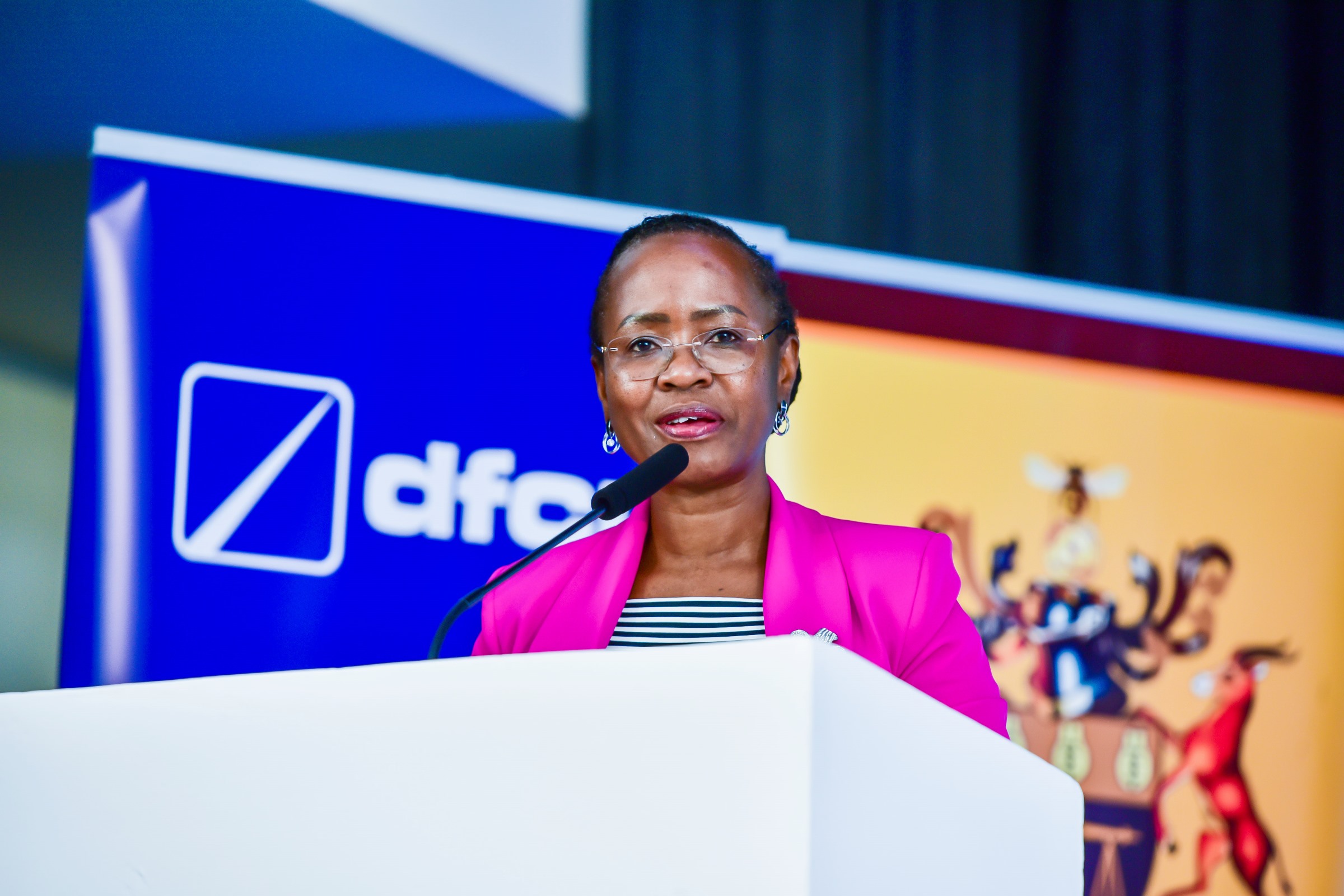
Prof. Ssali emphasized that this public lecture series not only honours Mutebile’s legacy but also bridges academia and practice—challenging students, scholars, and national leaders to pursue knowledge that serves the public good. She expressed gratitude to the Bank of Uganda under Dr. Michael Atingi-Ego, dfcu Bank, the GRO Foundation, the Mutebile family, and the Advancement Office for their continued support in sustaining a platform that nurtures economic thought leadership and inspires future generations.
Rt. Hon. Emeritus Amama Mbabazi, a lifelong friend and contemporary of the late Prof. Emmanuel Tumusiime-Mutebile, delivered a deeply personal reflection during the lecture. He recalled their shared beginnings as young student leaders at Makerere, their early political activism, and the historical moments that shaped both their lives and the nation. Speaking as both confidant and colleague, he emphasized Mutebile’s disciplined approach to economic policy, his unwavering belief in strong, accountable institutions, and his commitment to evidence-based, long-term decision making. Mbabazi outlined three pillars of Mutebile’s legacy—policy integrity, institutional strength, and leadership that prepares the next generation—values he affirmed are central to the work of the Tumusiime Foundation, which he now chairs.

He underscored the critical role of the private sector in Africa’s transformation, stressing the need for productivity-driven economies, skilled young people, and policy ecosystems that encourage innovation. He further called for intergenerational leadership that deliberately transfers knowledge, builds enduring institutions, and creates real opportunities for young Africans to lead. In closing, he urged academia, policymakers, and industry to work in partnership, noting that Africa’s progress depends on disciplined leadership, investment in human capital, and a shared commitment to building a future stronger than the present.
Fiscal Policies that have stood the test of time
The Governor of the Bank of Uganda, Dr. Michael Atingi-Ego, honored the late Prof. Emmanuel Tumusiime-Mutebile with a heartfelt tribute, praising him as “a great tree whose roots ran deep beneath the soil of this nation, nourishing all who followed.” He noted that Uganda continues to benefit from the “shade” of the policies Mutebile planted during his 21-year tenure—policies that stabilized the economy, strengthened institutions, and protected the financial system through multiple crises. He highlighted Mutebile’s role in restoring price stability through cash budgeting, bringing inflation down from triple digits to single digits, guiding the country through the 2008 global financial crisis with disciplined monetary policy, and maintaining public trust during the 2011 inflation spike through clear and transparent communication.

Dr. Atingi-Ego also credited him for steering Uganda safely through the COVID-19 pandemic by introducing liquidity support for banks, credit relief for borrowers, and targeted foreign exchange interventions. Reflecting on Mutebile’s long-term impact, the Governor remarked, “These are the ideas he planted—he never lived to enjoy the shade of the tree, but today, the country rests under it.” He further celebrated Mutebile’s commitment to innovation, citing the 2016 amendments to the Financial Institutions Act that unlocked agency banking, bancassurance, and Islamic banking—reforms that today anchor Uganda’s impressive financial inclusion gains.
Intergenerational Leadership blends agility and emotional intelligence
Eng. Dr. F. F. Tusubira delivered a compelling and deeply reflective keynote, grounding the theme “Intergenerational Leadership, Economic Resilience and the Power of Innovation” in both history and lived institutional experience. He expressed serious concern that although Africa is the world’s youngest continent—with over 65% of its population below 35—its systems continue to sideline young people from leadership and national decision-making, even as they are repeatedly called “leaders of tomorrow.” He argued that this generational exclusion is not merely unfair but dangerous, warning that nations cannot secure economic resilience while locking out the very demographic best equipped to navigate a rapidly evolving, technology-driven world.
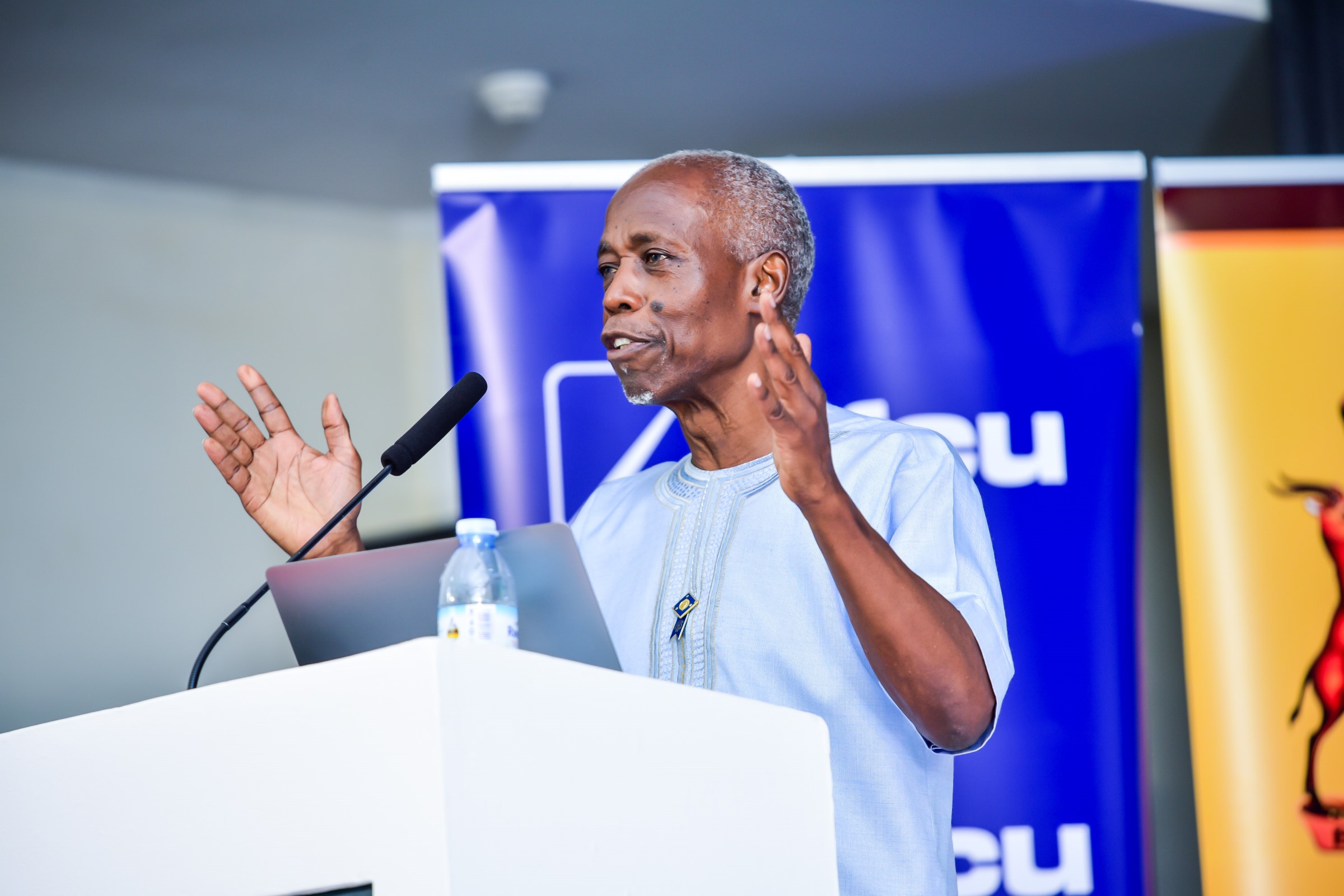
Drawing on African proverbs, global case studies, and personal anecdotes from Makerere and national institutions, he demonstrated how younger generations bring idealism, agility, innovation, and risk-taking—qualities essential for competitiveness—while older generations contribute emotional intelligence, institutional memory and a heightened sense of danger. He emphasized that progress requires blending these strengths through deliberate structures: fair representation of youth in boards and executive spaces, shared decision-making, reverse mentorship, and an institutional culture that values every generational perspective.

Dr. Tusubira also highlighted the urgent need for education reform, criticizing the continent’s entrenched “learning to pass exams” culture and calling for systems that cultivate creativity, problem-solving, and technical capability. He cautioned that without investing in human capital, digital literacy, and inclusive innovation ecosystems, Africa risks losing the very foundation of future competitiveness. His message was clear and powerful: intergenerational leadership is not optional—it is a survival strategy for institutions, businesses, and nations, especially in an era where, as he quoted, “it is not the strongest who survive, but those most responsive to change.”
The lecture was further enriched by an engaging panel discussion, which was moderated by Prof. Edward Bbaale, the Principal, College of Business and Management Sciences. He opened the discussion by deliberately centering today’s students and emerging leaders, framing the session as an intellectual reflection on the life, values and legacy of the late Prof. Emmanuel Tumusiime-Mutebile. He positioned the lecture’s theme — Shaping Africa’s Future: Intergenerational Leadership, Economic Resilience and the Power of Innovation — as urgent and practical, and introduced a cross-disciplinary panel whose expertise mirrors that urgency: Eng. Dr. F. F. Tusubira, Mr. Charles Mudiwa the Managing Director Dfcu Bank, and Prof. Faisal Buyinza the Ag. Dean, School of Economics.

Prof. Bbaale’s moderation enabled panelists to offer guidance on structural and cultural barriers to youth inclusion, the role of institutions in building resilience, and how academia, industry and policy can work together to turn innovation into jobs and scalable solutions — all the while reserving time for direct audience engagement and practical policy takeaways. Collectively, the panelists urged dismantling age-biased barriers and credential rigidities, creating new entry points and “tables” for youth leadership, scaling finance and training for startups and agribusiness, reforming pedagogy to prioritise skills and creativity, and deepening public-private-academic partnerships so innovation becomes inclusive growth rather than isolated experimentation.
The Family’s heartfelt appreciation
Mrs. Betty Tumusiime-Mutebile delivered heartfelt closing remarks, offering gratitude on behalf of the family and the Tumusiime-Mutebile Foundation. Speaking with deep emotion, she reflected on the late Professor’s character—his honesty, humility, hard work, and unwavering commitment to service above self. She thanked Makerere University, the Bank of Uganda, the Foundation’s leadership, and the many friends and colleagues who have continued to uphold his legacy, noting that although nearly four years have passed since his departure, his memory remains vivid and powerful for the family.

She recalled his devotion to both his public duty and his home, sharing personal stories of his leadership within the family and his steadfast faith that shaped their daily lives. Mrs. Tumusiime-Mutebile also highlighted the Foundation’s ongoing work in youth skilling, ethical governance, and private-sector development—initiatives rooted in his own vision. She concluded by inviting continued partnership to sustain the legacy he built, and led the gathering in singing his favourite chorus, a tender tribute to a man whose influence, she said, endures through the lives he touched.
-MAKNEWS. Give us feedback on this story through our email: kamwokyatimes@gmail.com