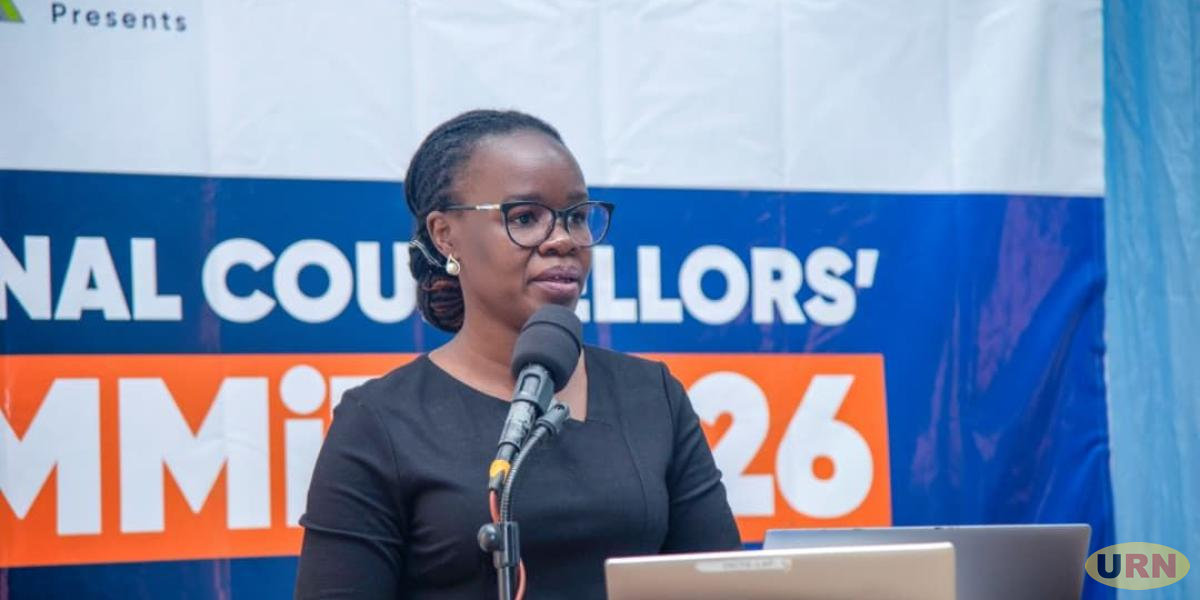
Mental health experts have warned that Uganda does not have enough trained counsellors to meet the growing demand for counselling services, particularly in communities outside major urban centres. Speaking during the Second National Counsellors’ Summit at Kyambogo University Thursday, Uganda Counsellors Association (UCA) President Elizabeth Okello said the increasing need for mental health support in schools, hospitals, families, and communities has exposed gaps in professional counselling services.
Okello said that although counselling needs are growing across the country, the profession still faces challenges related to standardisation, policies, and regulatory frameworks needed to ensure quality and consistency in service delivery. She explained that setting common standards would ensure that trained counsellors provide professional services guided by ethical principles, regardless of where they operate.
The experts also called for stronger policies and legislative frameworks to guide counselling practice in Uganda, saying this would help strengthen recognition and regulation of the profession. According to Okello, increased public awareness has made mental health challenges more visible, with many adult struggles linked to experiences from childhood, including abuse, neglect, and trauma.

She said some of the common challenges affecting adults include difficulties adjusting to adulthood, substance abuse, gambling addiction, alcoholism, and family-related problems. Young people aged between 15 and 24 were identified as one of the most affected groups, with counsellors expressing concern over rising cases of alcohol and substance abuse, criminal behaviour, and inadequate parental guidance.
The experts said many young people are growing up without strong support systems, increasing their vulnerability to mental health challenges and risky behaviours. Counsellors also highlighted warning signs that may indicate the need for professional support, including loss of interest in daily activities, social withdrawal, declining performance at school or work, negative self-perception, poor personal hygiene, and unexplained physical illnesses.
They encouraged Ugandans to seek counselling support early rather than relying on harmful coping mechanisms or unverified forms of treatment. The summit, held under the theme “Shaping the Future of Counselling in Uganda: Standards, Practice and Excellence,” is expected to produce recommendations aimed at strengthening counselling services and improving mental health support across the country.
Meanwhile, UCA Head of Public Relations Gitta Emmanuel said the annual summit is intended to bring counsellors together to share knowledge, strengthen professional practice, and ensure practitioners across the country feel recognised and valued. Gitta said the association continues to organise conferences in different regions to connect counsellors and create opportunities for professional growth.
“We keep on having these conferences to bring the people together, to be able to help them understand and work through things that can help them do better in their profession. So at the end of the day, they need to know that once I am even in Eastern, Western, or Northern, I am noticed and I’m valued. That’s why we even take those conferences, annual conferences in the different regions in the country,” Gitta said.
He added that Uganda already has more than 6,000 trained counsellors, but the focus should now shift towards improving their access to employment opportunities and increasing recognition of their role in society. “We have over 6,000 counsellors that are already trained and are there, but what we can do is increase their ability to access the jobs? Because while we are looking out for them, what are they coming to do?” he said.
Gitta said standardising the profession would help bring back professionals who trained in counselling but moved into other fields due to limited opportunities. “Most of the people have occupied the work, so once we standardize the work and we know which professionals to provide it to, the people that are out there that did the course and had left it maybe to go do other things, they will return and then be in a position to do that,” he added.
He also said the association is engaging the Ministry of Health to establish a framework that can support and advocate for counsellors in Uganda. “The other thing is, we are looking at the Ministry of Health, as it has already given us a form. We need to see that we belong to a ministry that can also be able to support us and advocate for us, and we see a way forward on how they can be supported,” Gitta said-URN. Give us feedback on this story through our email: kamwokyatimes@gmail.com