By KT Reporter
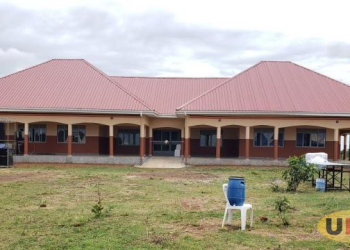
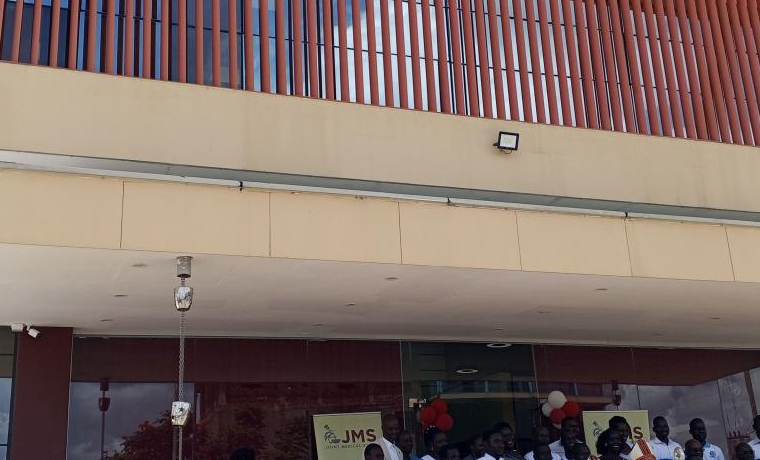
The Joint Medical Store (JMS) has officially launched operations of its new multibillion-shilling medical warehouse in Gulu City, a major investment expected to revolutionise the distribution and availability of quality medical supplies across Northern Uganda.
Valued at 12 billion Shillings, the state-of-the-art facility becomes the second JMS branch outside Kampala, marking a significant milestone in the organisation’s drive to decentralise health logistics and improve access to essential medicines.

The Gulu warehouse will serve as a regional hub for the storage and distribution of medicines and medical supplies to hospitals, clinics, and health centres in the Acholi, Lango, and West Nile sub-regions.
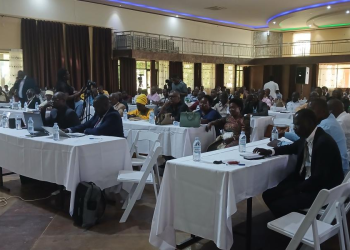
Speaking during the inauguration ceremony on Thursday, Bishop Robert Muhiirwa, Chairman of the JMS Board of Trustees, said the new branch aligns with JMS’s mission of ensuring that every health facility, regardless of its location, can access affordable, quality, and reliable health solutions.
“I believe firmly that with this development, our support of Jesus’s healing mission will be enhanced in the region and the country at large, and even beyond,” Bishop Muhiirwa remarked. He noted that for many years, health facilities in Northern Uganda relied on deliveries from the JMS central warehouse in Kampala, an arrangement that often caused delays and logistical challenges.
“The distance and delays made it imperative that JMS bring services closer to the people,” he said. “This facility will not only improve efficiency but also create value for our partners and strengthen health systems across the region.”
The launch began with a Thanksgiving Mass led by Archbishop Raphael P’Mony Wokorach of Gulu Archdiocese, who commended JMS for its continued investment in healthcare delivery.
He is optimistic that this intervention will ease access to quality medicines and ensure timely service delivery to health facilities. Gulu City Deputy Mayor Christine Olok welcomed the development, noting that the city’s health centres have long struggled with shortages and inconsistent medical supplies, adding that this establishment will address the inconsistencies and challenges faced in health facilities.
Rt. Rev. Godfrey Luwum, Bishop of the Diocese of Northern Uganda, expressed optimism that the new warehouse will help combat the circulation of counterfeit medical products, which some health facilities have unknowingly purchased due to limited access to certified suppliers.
“There are people who are in this business only for profit. But JMS is here for the people,” he emphasised. “Quality must meet the needs of our communities, and affordability should reflect the realities of the region.” He urged JMS to maintain accessibility and transparency in its operations to build public confidence in the authenticity of medical products supplied through the facility.
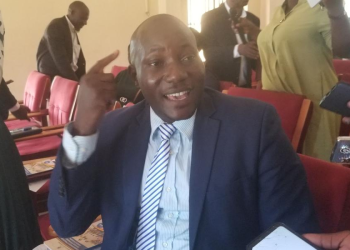
Dr Patrick Oceng, the Lira District Health Officer and Chairperson of the Lira District Health Supervisory Authority, highlighted that the Gulu branch will also enhance regulatory oversight in the region. “Because JMS was far, many private clinics resorted to buying medicines from unverified suppliers, which sometimes led to the distribution of counterfeit products,” Dr Oceng explained.
“Now, with JMS in Gulu, access to well-tested and certified drugs will greatly improve.” The Gulu JMS facility, established on land donated by the Gulu Archdiocese, is expected to serve 22 districts across Northern Uganda, including Gulu, Amuru, Nwoya, Omoro, Kitgum, Lamwo, Pader, Agago, and parts of the West Nile sub-region.
JMS, which operates under the joint management of the Uganda Catholic Medical Bureau (UCMB) and the Uganda Protestant Medical Bureau (UPMB), plans to extend its reach further by constructing a third regional warehouse in Mbale City to serve health facilities in Eastern Uganda.
Founded in 1979, JMS is a not-for-profit organisation that provides health commodities and supply chain solutions to both public and private health facilities across Uganda. The expansion to Gulu is part of its broader strategy to strengthen regional health systems, reduce delivery costs, and ensure that even the most remote communities have access to safe and affordable medical products.
-URN. Give us feedback on this story through our email: kamwokyatimes@gmail.com