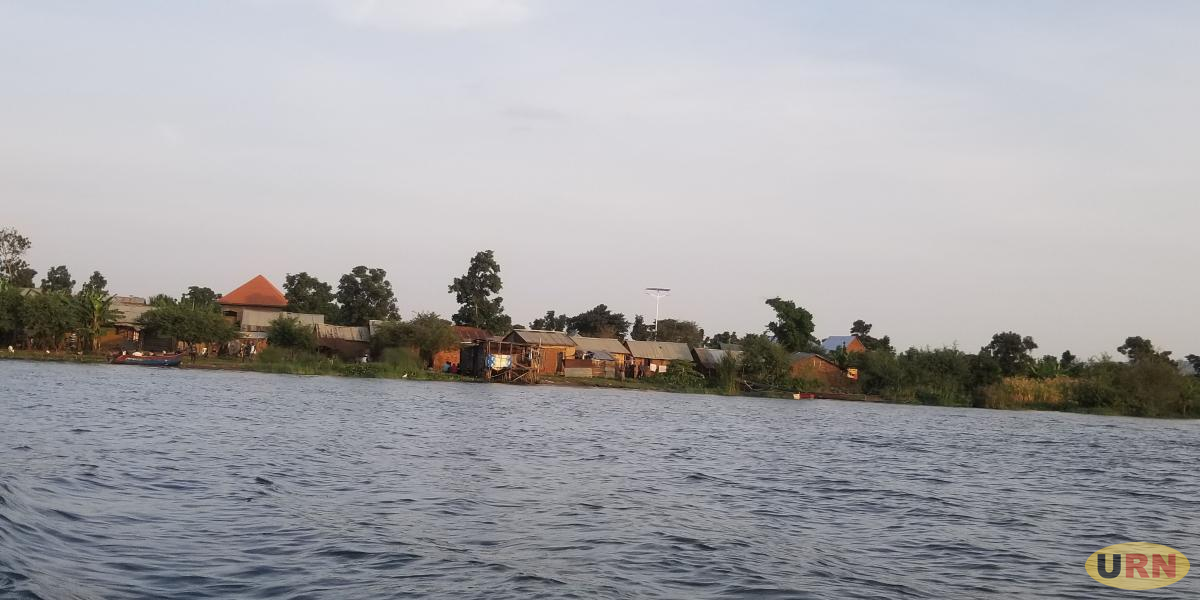
During the first term of 2026, Primary One had 50 pupils, while Primary Seven had only 5, highlighting the challenge of learner retention. Steven Tabo, a senior teacher at Kisima II Primary School, says the island serves as a transit point where people from different parts of Lake Victoria temporarily settle before moving elsewhere. He says some of these settlers start families but later abandon them, leaving single mothers and children struggling to survive.
Tabo says many children previously relied on casual work within the fishing industry, including drying silver fish and washing fishing nets, but these opportunities were reduced after enforcement teams restricted such activities. He says girls aged between 11 and 15 years, who are often left responsible for taking care of younger siblings, have become increasingly vulnerable to abuse.
According to Tabo, some girls are exploited in exchange for food or small amounts of money, leading to early pregnancies and, in some cases, unsafe abortions due to fear of stigma from the community. He says girls make up about 65 percent of the school population, but many eventually drop out to take care of families left behind by absent parents.

Available information indicates that three cases of unsafe abortions were reported late last year, with one pupil dying after reportedly attempting to terminate a pregnancy using unknown herbs. The Primary Five pupil, aged 13 at the time of her death, reportedly developed complications before her body was later discovered by neighbours. One 17-year-old girl, who is among children heading households on the island, says she was abandoned by her parents while in Primary Five at the age of 12.
She says she experienced abuse from different individuals but never received justice. “An elderly lady who has since passed away offered me a room; however, the rest of the community members kept on accusing me of being accursed, and it was the very reason why I was abandoned on the island,” she says.
She says she has since found hope through horticulture, which has helped her regain dignity and live independently. “I have since embraced life with hope, and I am now engaged in horticulture, which has restored my dignity and helped me to live decently ever since,” she says. Harriet Odeke, a woman leader on Kisima II Island, says girls remain the most vulnerable to abuse, while boys often survive through difficult jobs such as helping travellers at docking points.
Odeke says there is a need to address child neglect, noting that abandoned children deserve equal access to education and protection like children growing up in stable families. Jinja Assistant Resident City Commissioner Ritah Talimusinwa says authorities are registering child-headed families on Kisima II Island to establish the extent of the challenge.
She says they are also working with fishing communities and local leaders to trace parents who abandoned their children, to reunite families. Talimusinwa says the goal is to ensure children return to supportive family environments and are able to lead responsible lives-URN. Give us feedback on this story through our email: kamwokyatimes@gmail.com