The Aids Support Organization (TASO) is struggling to trace at least 117 people living with HIV in the Teso Sub Region who have stopped collecting their antiretroviral therapy (ART) medication, raising concerns about treatment adherence and possible new infections.
TASO officials say some clients have disappeared from care due to frequent movements linked to fishing, business activities, and commercial sex work, making it difficult to ensure they continue taking their medication. Charles Odoi, the TASO Center Programs Manager, says the challenge is affecting efforts to control HIV transmission, warning that people who abandon treatment may unknowingly contribute to new infections.
He says Teso remains one of the regions with a high HIV burden, with Soroti City recording prevalence levels above 12 percent, compared to the national average of 4.9 percent. “It is very difficult to control the behaviors of individuals. We are doing our best in prevention and care for those who have not yet contracted the virus and encouraging those already infected to start and continue treatment,” Odoi said.

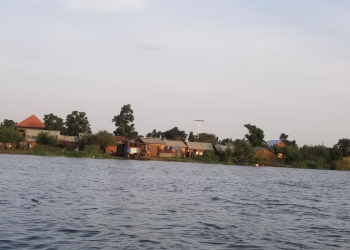
TASO currently has 5,823 active clients receiving antiretroviral therapy, but Odoi says treatment interruption remains a major challenge, especially among fishermen operating around landing sites in Serere and Kaberamaido. He says some fishermen become difficult to trace when they cross to other parts of the lake, affecting their ability to collect medication regularly.
Odoi also identified businesspeople who frequently move between locations and commercial sex workers who relocate when business slows down as some of the groups facing challenges with maintaining treatment schedules. “These sex workers keep moving to other places when business slows in Soroti City, leaving behind their medication,” he said.
He described the effort to trace missing clients as similar to searching for one lost person among many, saying every client lost from care increases the risk of reversing gains made in HIV prevention. “It worries a lot because if one sheep gets lost, you have to leave the 99 to search for the lost one. We try to locate that one person to ensure they return to medication and do not cause new infections by abandoning their antiretroviral therapy,” Odoi said.
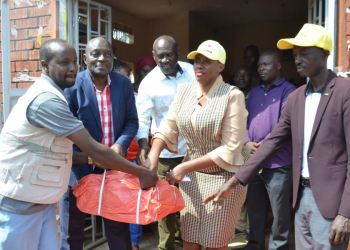
He added that between April and June, TASO has spent resources following up on missing clients but rising fuel costs have made the exercise more difficult. The concerns were raised on June 25 when officials from the National Social Security Fund (NSSF) visited TASO offices in Soroti and donated six million shillings to support adolescents living with HIV.
Milton Owor, NSSF Chief People Culture, encouraged TASO to continue its work, saying HIV treatment has transformed the lives of people living with the virus. He said a positive HIV diagnosis is no longer a death sentence, noting that people on antiretroviral therapy can continue living productive lives. NSSF supported TASO Soroti to strengthen programmes for 262 adolescents living with HIV, including purchasing sewing machines to support livelihood activities.
HIV prevalence in Soroti City remains a concern, with health officials identifying adolescents and young people as among the groups contributing to new infections due to risky sexual behaviours. TASO says finding and returning clients who have dropped out of treatment remains critical in achieving Uganda’s target of ending new HIV infections by 2030-URN. Give us feedback on this story through our email: kamwokyatimes@gmail.com