The Ministry of Internal Affairs says it plans to establish a shelter to support victims of human trafficking.
It says the facility will provide medical care and psychosocial support for the repatriated victims before they are reintegrated into their communities.
Commissioner of Police Julius Twinomujuni, the National Coordinator for the Prevention of Trafficking in Persons (COPTIP), said that the lack of shelters remains a major challenge in providing adequate services to victims of human trafficking.

Speaking to Uganda Radio Network, Twinomujuni said that without proper shelters, repatriated victims often struggle to access medical care, psychosocial support, and rehabilitation before reintegration into their communities.
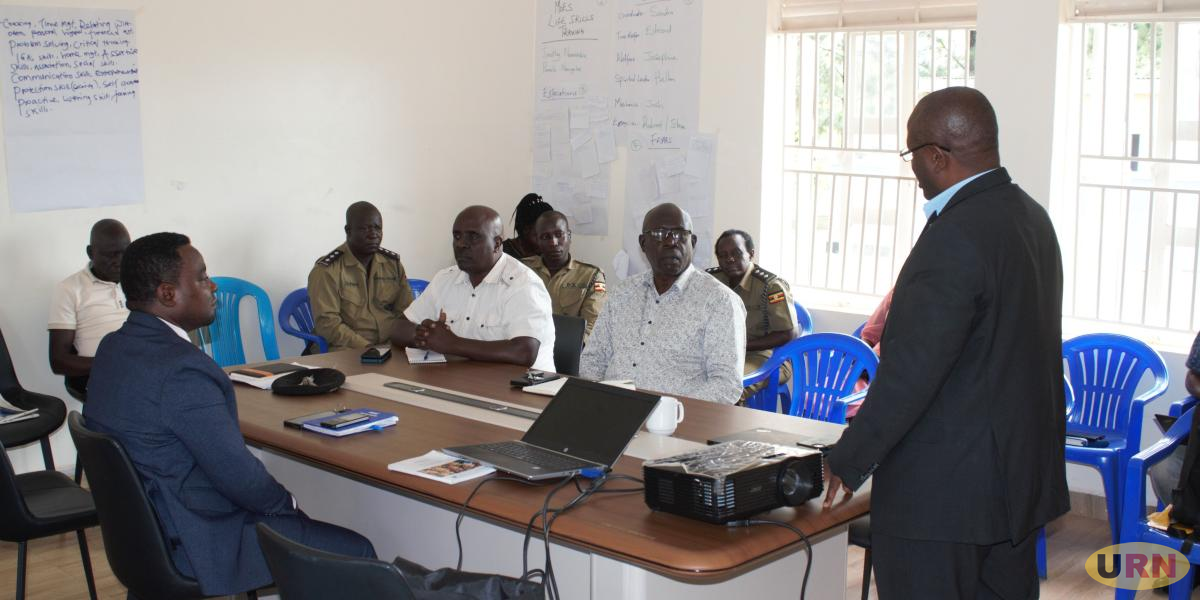
While training stakeholders in Oyam District, he emphasized the four pillars of Uganda’s anti‑trafficking strategy, including prevention, prosecution, protection, and partnership.
Twinomujuni revealed that in 2025, Uganda reported 3,259 cases of human trafficking involving 4,965victims of these, 2,543 were children, which calls for community sensitization to recognize and prevent trafficking.
Deputy RDC of Oyam District, Francis Behangana, reiterated that human trafficking is not only a human rights abuse but also a serious crime and a global concern.
Addressing participants, Behangana described trafficking as an organized syndicated crime, with proceeds often untraceable and potentially ending up financing terrorism, and why joining forces is needed to combat the menace.
Meanwhile, Joel Bwonyo of Livingstone Church‑Oyam, who attended the training, said he will return to his community to raise awareness about the root causes of trafficking, including poverty and unemployment.
Trafficking in persons means moving or controlling people through force, lies, or abuse to exploit them, often for labor, sex, or other unfair purposes, taking advantage of their vulnerability-URN. Give us feedback on this story through our email: kamwokyatimes@gmail.com