By KT Reporter
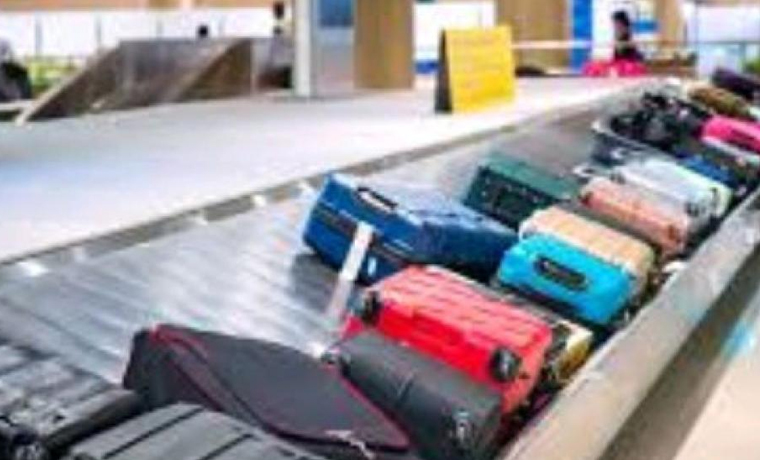
The International Air Transport Association (IATA) has launched a ten-year global baggage roadmap aimed at modernizing baggage operations. This is expected to enhance both operational efficiency and traveler satisfaction, amidst sustained reports and complaints of lost luggage.
According to a recent survey by IATA, 81 percent of travelers want better baggage tracking, 74 percent expect real-time updates on their mobile phones, and 67 percent are open to using electronic tags. The roadmap focuses on three main pillars: improving baggage information exchange and creating data standards, advancing destination baggage tracking, and automating and streamlining the baggage claim process.

Developed with airlines, airports, and industry partners, the roadmap sets a clear path to improve both operational efficiency and traveler satisfaction. “Baggage is important for travelers; when they check a bag, they expect it to arrive on time,” says Monika Mejstrikova, IATA’s Director of Ground Operations, adding, “And if it doesn’t, they want to know where it is”.
“The Global Baggage Roadmap will move us closer to the automated digital baggage services that travelers want,” the IATA press release quotes Mejstrikova. The Roadmap is built around three pillars, including baggage Information Exchange and Data Standardization to align how baggage information is shared among airlines, airports, and partners.
For passengers, replacing legacy systems like teletype with modern messaging standards will mean faster baggage reconciliation, fewer delays due to data errors, and more reliable service recovery when issues arise, the statement says. Driving transformation towards this new API-driven baggage messaging standard should significantly reduce the airline industry’s annual spending of 1 billion US Dollars on teletype messaging.
The second pillar is Baggage Tracking and Automation to provide visibility throughout the journey.
This includes the use of electronic baggage tags, GPS tracking, and robotics that will enable passengers to track their bags in real time and experience smoother transfers and arrivals.
The third pillar should streamline the baggage claim process, combating fraud, and enhancing the customer experience so airlines can resolve passengers’ claims faster and have better protections from baggage-related fraud.
“This Roadmap will consolidate the progress of previous initiatives to modernize baggage processes and take a holistic view of where we need to be in 10 years,” says Mejstrikova, adding that, with the buy-in of all stakeholders “we are better placed than ever to improve traveler satisfaction by delivering the digital, automated, and customer-focused service that they get in many other sectors”.
The Global Baggage Roadmap aligns with IATA’s broader efforts to modernize ground operations, enhance safety, and improve the passenger experience. IATA will work closely with stakeholders to develop implementation guidance, provide training, and monitor progress, according to the statement-URN. Give us feedback on this story through our email: kamwokyatimes@gmail.com