By KT Reporter
The East Africa Revival Museum, housed in the historic Missionary House constructed in 1918, stands as one of the oldest buildings on Ruharo Hill in Mbarara City. Built by a missionary named Bootre, the house originally served as accommodation for missionaries who had settled in the Ankole region to spread the Gospel.
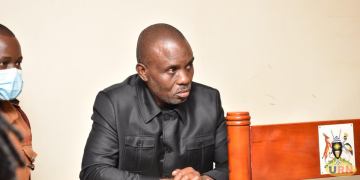
For nearly a century, the building hosted all five bishops of the Ankole Diocese until 2016, when the current Bishop, Rt. Rev. Sheldon Mwesigwa initiated its transformation into a museum dedicated to the East African Revival. Explaining the motivation behind the idea, Bishop Mwesigwa said, “I wanted a way to tell the revival mission stories—that’s how the museum was born.”

The museum was established not just to preserve artifacts, but to serve as a dynamic archive of spiritual transformation. Its collection showcases stories of changed lives, grassroots movements, and the power of faith that swept through the region. Among the more intriguing historical anecdotes, Bishop Mwesigwa recounts that Missionary Bootre, the original occupant, used to sleep on the verandah with a gun in hand, fearing possible attacks. “When I birthed the idea of a museum, I decided to vacate this building. We built a new Bishop’s house, and this became the museum,” he said.
The East African Revival began in the 1920s in Gahini, Rwanda, and spread across Uganda, Kenya, Tanzania, Burundi, and beyond. It emphasized personal holiness, confession of sin, and deep spiritual renewal through faith in Jesus Christ. Bishop Mwesigwa notes that the revival significantly shaped African Christianity and insists that this powerful legacy must be preserved for future generations.
Although still relatively unknown to the wider public, the museum is gaining traction. Aturinda Kwezi, the museum’s caretaker, says they received 60 guests in May—an increase from the 20 to 30 monthly visitors they’ve seen over the past eight years. Kwezi highlights some of the unique items housed in the museum, including the first bishop’s wooden staff, which is now 68 years old, and a second bishop’s metallic staff, which is approximately 50 years old.
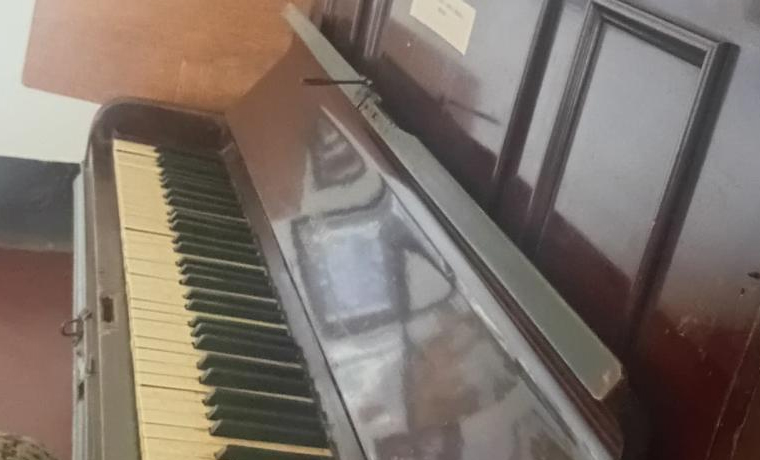
There is also the Ankole Royal Drum, crafted in 1508, the first and second pianos used at St. James Cathedral Ruharo, and unburnt bricks that were used in constructing the second church in Ankole, located in Kamukuzi. The museum building itself is also a key part of the heritage on display.
Additionally, the museum features portrait photos of prominent revival figures such as Bishop Festo Kivengere, Archbishop Erica Sabiti, Archbishop Janani Luwum, and Dr. Joe Church. Makuru Wilson, the focal person of the Revival Mission, underscores the museum’s value in guiding today’s youth, many of whom are grappling with the influence of technology and declining moral values.
“Anyone who visits the museum leaves transformed. There is so much to see and learn,” he said. In Bishop Mwesigwa’s words, the museum stands as a bridge between past and present—a sacred space where the legacy of revival continues to inspire and educate.
-URN. Give us feedback on this story through our email: kamwokyatimes@gmail.com