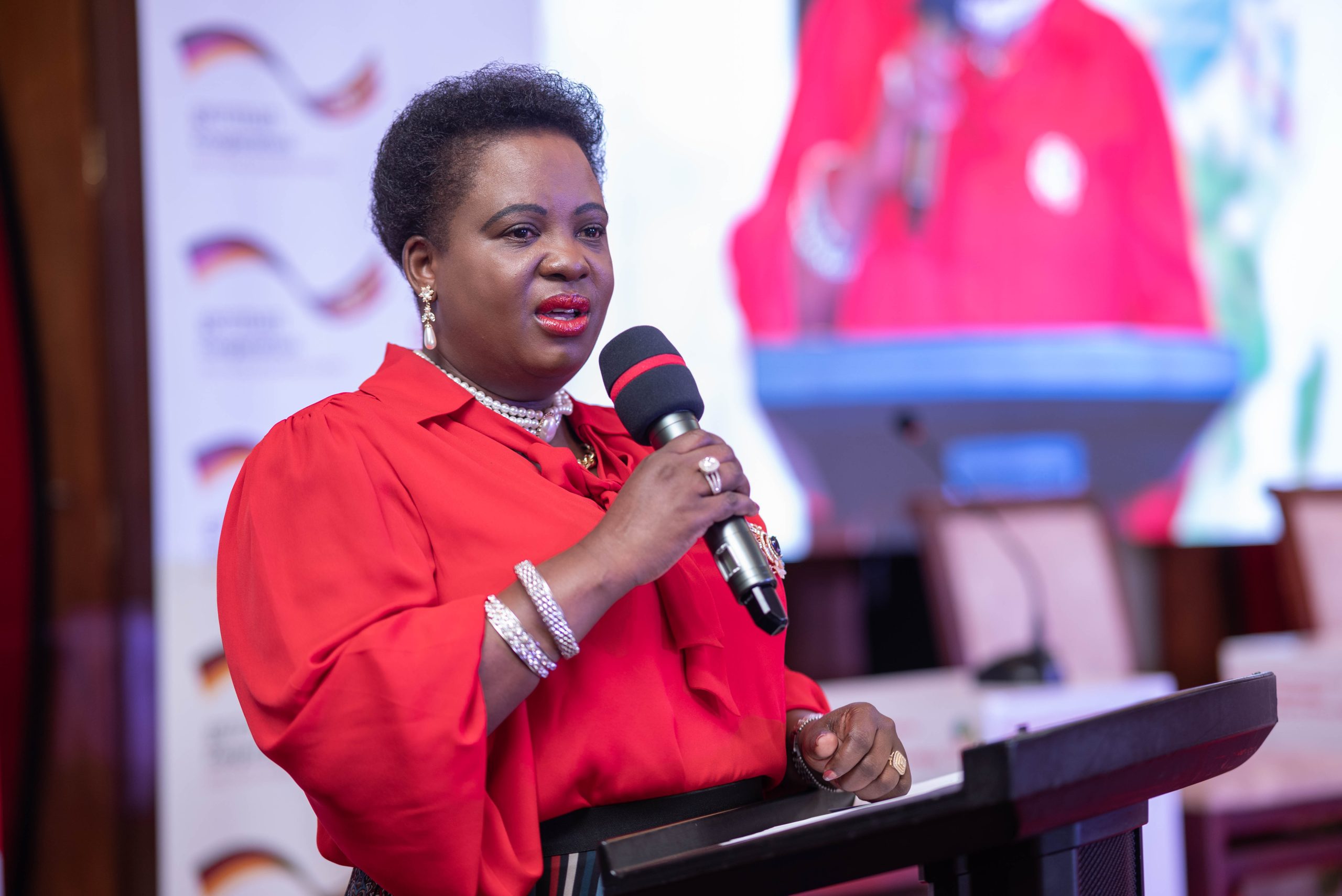
When Betty Amongi Akena appeared on NBS The Deep Dive last Thursday, the intention seemed clear: to reassert control of her political narrative and rebuild public confidence.

But what unfolded instead has been widely interpreted by critics as a moment of exposure, where bold claims collided with a reality many voters in Lango, particularly Lira City, have not forgotten.
From the outset, Amongi projected defiance, insisting that her recent electoral loss had strengthened rather than diminished her political standing. Yet this assertion sits uneasily with the record. Prior to the elections, she had confidently declared herself unbeatable, famously portraying herself as a “political doctor” who had never lost.
That confidence met a decisive test when she was defeated by Jane Ruth Aceng—an outcome that critics describe not as a mere setback, but as a clear rejection by the electorate.
What has followed raises further questions. If the loss was truly empowering, as she now suggests, why the visible reluctance to test that renewed strength in any newly proposed constituencies such as Aber or Erute? For many observers, this hesitation reinforces the perception that the defeat cut deeper than she is willing to admit publicly.
Amongi’s attempt during the NBS interview to portray Dr. Aceng as divisive has also been sharply challenged. On the ground, a different narrative is frequently presented. Jane Ruth Aceng is credited by her supporters with building cohesion across political and administrative structures in Lira City.
Engagements spanning from grassroots cells to city leadership have reportedly strengthened coordination, improved communication and aligned local actors with broader government programs. This stands in stark contrast to claims of disorganization.
Equally contentious are the long-standing concerns surrounding accountability. Over the years, Amongi has faced persistent public scrutiny tied to controversies in ministries she has served in, including Lands and Gender, Labour and Social Development. The Bamugemereire Commission of inquiry into Uganda’s land problems exposed as much whenever Amongi appeared before it. We all remember the very discomforting scrutiny that was shone on the AMOBET Ltd transactions.
While these matters remain part of public debate and require institutional processes to conclusively address, they continue to shape perceptions of her leadership. In politics, perception often carries as much weight as formal findings and restoring public trust once questioned is no easy task.
By comparison, supporters of Dr. Aceng point to what they describe as a disciplined and professional record in public service. They argue that her leadership has been defined by focus, delivery and a measured approach to governance—qualities that have strengthened her standing among constituents and within broader political structures.
Amongi’s claim that Dr. Aceng has disorganized the National Resistance Movement (NRM) has also met resistance and disbelief. Evidence from local mobilization efforts suggests a more structured and coordinated party presence in Lira City.
Leaders at various levels appear more engaged, with clearer messaging around the party manifesto and government initiatives. Far from fragmentation, critics point to growing coherence within the party’s local ranks.
Beyond the technicalities of politics, the battle for public perception is becoming increasingly decisive.
Among younger voters and women, Dr. Aceng is often viewed as a symbol of competence and aspiration—an educated, composed leader who resonates with a new generation. Amongi, on the other hand, continues to contend with an image shaped by years of political confrontation and recurring controversy.
Thursday’s appearance on The Deep Dive therefore did more than provide a platform for political messaging—it triggered a broader reassessment. For many, it underscored a widening gap between rhetoric and reality, between claims made in studio settings and experiences on the ground.
As the country gradually looks toward future electoral contests, one lesson is becoming unmistakable: the electorate is no longer easily swayed by confident declarations alone. Credibility, consistency, and connection to the people now carry greater weight than ever before. If Betty Amongi Akena is to regain lost ground, it will require more than belligerent television appearances.
It will demand a rebuilding of trust, a reconciliation with political realities, and a willingness to confront the very questions that Thursday’s interview brought sharply into focus.