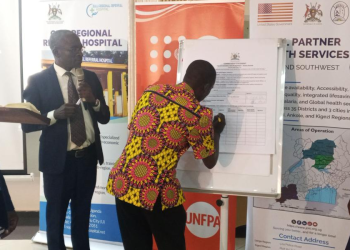
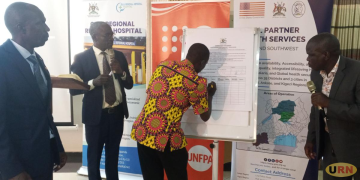
Experts in Ankole sub region are optimistic that the new integrated Community Assessment health promotion and Performance-based services will close linkages in medical services to the community.
The new Community Awareness, Screening, and Testing (CAST) program involves the door to door campaign and community Health barazas, integrating other essential health interventions including health education, screening for Non-Communicable Diseases, testing, and enrolling communities to seek necessary treatment, while performance-based financing is disbursing funds depending on the medical results from health facilities.
Dr Stavia Turyahabwe, the Commissioner Non-Communicable Diseases in the Ministry of Health, says under the CAST program, Health workers will reach households, identify people at risk, facilitate testing and link confirmed cases to care.

She narrates that the 10-fold growth will be achieved by promoting health, preventing diseases, and providing quality services directly to the communities through the CAST program.
She says that beginning with the 2027/28 financial year, finances will be given to District Health Officers or Chief Administrative Officers, to disburse depending on performances of health facilities. She calls this a new shift that will also affect the implementing patterns.
Dr Peter Sebutinde, Mbarara District Health Officer, says the program will ease the queues at health facilities, and funding will directly focus need and goals of a specific challenge in the community.
He says that with low staffing levels at Health facilities, the Community engagement will involve the use of community health extension workers together with the VHTs, who will easily identify patients in their area of operation using the performance-based funds.
He is hopeful that this will reduce the patients’ waiting time at the facility from at least eight to three hours and also motivate the health workers.
Qwizera Alphonse, the advisor, Joint Clinical Research Center Mbarara asked health workers not to fear the performance-based funding, noting that it is a shared responsibility to achieve any set targets.
In 2015, Health Implementing patterners and donors like the Department for International Development (DFID) piloted the Result-based financing, which demonstrated significant improvement in clinical care and treatment accuracy, and government has preferred implementing it-URN. Give us feedback on this story through our email: kamwokyatimes@gmail.com