By KT Reporters
Most Ugandans are unhappy with the speed at which public health facilities respond to emergencies.
According to a Sauti za Wananchi report by Twaweza, a regional nongovernmental organization that among others tracks citizens’ views on several issues, as many as 81% of the people they sampled expressed dissatisfaction with the way the health workers at public facilities respond to emergencies.

The report notes that although there is a standard time within which an emergency must be responded to, the people said these are never respected in public facilities. “Eight out of ten citizens say health workers at private facilities have a good attitude in responding to emergencies, compared to fewer than four out of ten (34%) who say the same about health workers at public facilities.
Similarly, citizens are more positive about triage provided by private facilities than that provided at public facilities. Three out of ten (27%) say triage at public facilities is good compared to eight out of ten 79 % at private facilities,” the report notes.
For a long time, there has been an outcry by many Ugandans about the poor services offered by government facilities. This has been largely attributed to the limited funding that the Ministry of Health continues to get. In the budget framework paper of 2023/24, the Ministry of Health listed gaps in financing as one of their biggest challenges. “Financing for the health sector is largely external and off-budget, with high out-of-pocket expenditure for health,” the framework paper observes.
Therefore, with such limited funding, critical areas like human resources, medicines and other facilities needed for emergency operations are critically inadequate. The ministry also admits that in many of its facilities, there are still poor emergency medical and critical care services.
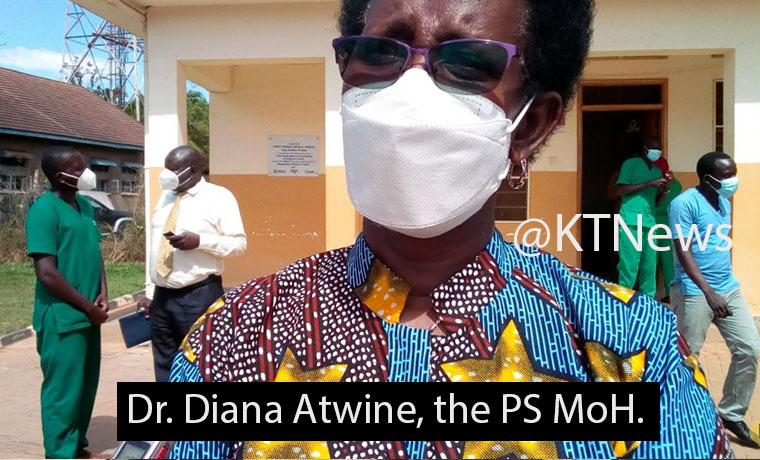
While launching an Emergency Services Report 2023 recently, the Permanent Secretary in the Ministry of Health Dr Diana Atwine acknowledged that as a ministry, they need to do more to improve on handling of emergencies. She said there are still gaps across the chain; from where emergencies are okay to hospital where they are managed.
The Twaweza report recommends that the government build capacity of health workers in emergency and critical care, reduce the patient-health-worker ratio, increase health supplies and also strengthen prevention strategies against acute illness and injuries. Give us feedback on this story through our email: kamwokyatimes@gmail.com