By KT Reporter
Rwot David Onen Acana II, the Acholi Paramount Chief, and officials from the Acholi Cultural Institution are on a strategic sensitization tour across the Acholi sub-region to mobilize his subjects to embrace agricultural production and economic self-reliance as a path to post-conflict development.
The production sensitization tour, which started in February 2025, spans all 57 chiefdoms scattered in Gulu, Amuru, Nwoya, Kitgum, Pader, Agago, and Lamwo. The initiative, which aligns with national efforts to promote household income generation and food security, focuses on reviving a culture of hard work and communal responsibility, particularly among the youth, to lift households sub-region, labeled among the poorest in the country, out of poverty.

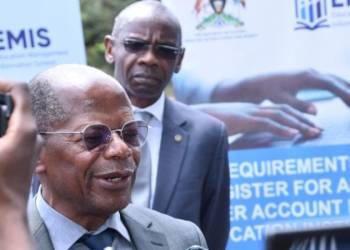
Martin Okumu, the Deputy Prime Minister in charge of land and investment, said the decision to tour and sensitize all the districts in Acholi was inspired by consistent reports that the Acholi Subregion is among the poorest in the country.
Okumu disclosed that they have already toured Lamwo, Kitgum, Agago and Pader. This week, the team will start mobilizing subjects in Omoro, Nwoya, and Amuru and finally, Gulu.
Besides encouraging the population to work harder, the cultural institution is sensitizing the people to protect the environment, such as wetlands, and plant trees to replace those they have lost, to mitigate the impacts of climate change.
The sensitization tour stresses a call to the youth to work hard and change their story. According to Okumu, the population of young people within the age bracket of 30-35 is 80%, and are still very energetic, but not optimally using their might to become better economically.
“Most Acholi are young and energetic, but they seem lost. And they need encouragement to realize that as human beings, we should work together and do everything possible to reduce the poverty levels here,” Okumu said. During community meetings, the Paramount Chief of Acholi, Rwot David Onen Acana II, calls on the Acholi to shift from subsistence farming to market-oriented production.
Rwot Acana II is popularizing the planting of trees, growing perennial crops such as coffee, and rearing of animals as one of the ways of ensuring a constant stream of income.
“What we are telling the Acholi now is that we have become weak at all levels. So, for us to rise again, each of us needs to work very hard. Whatever each of us is doing to generate income to take care of your home, relatives, and clan, make sure you use all your strength to do it for us to get the desired change.” Two decades after the end of the LRA insurgency, many Acholi communities still face trauma, poverty, and broken social systems.
Rwot Acana’s campaign is framed not just as economic recovery, but as cultural healing, to reconnect them to their land, community roles, and responsibilities. Acholi sub-region has the highest poverty rate of 72%, with a significant portion of the population living below poverty line, according to the 2024 National Population and Housing Census report-URN. Give us feedback on this story through our email: kamwokyatimes@gmail.com