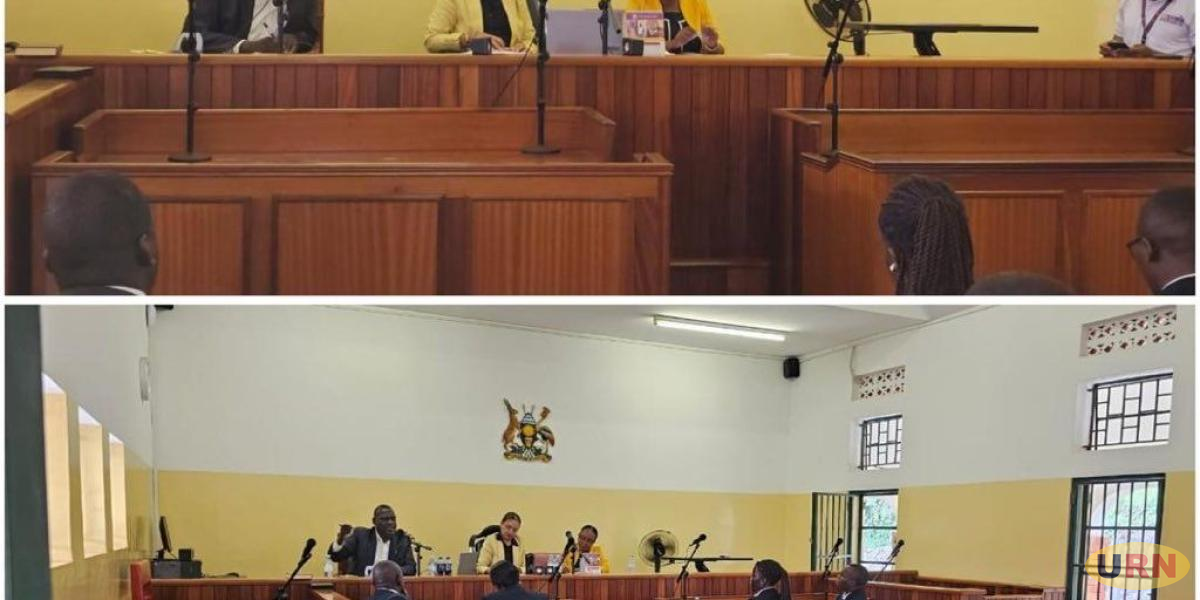
Judges at the Mpigi High Court have called on advocates and judicial officers to uphold professionalism and strengthen the use of Alternative Dispute Resolution (ADR) as a key strategy to improve efficiency in justice delivery and reduce case backlog.
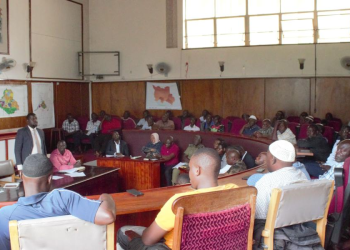
The call was made during a Bar–Bench meeting held on Friday at Mpigi High Court, chaired by the Head of Circuit, Justice Oyuko Anthony Ojok, together with Resident Judge Lady Justice Deepa Verma. The hybrid session brought together judicial officers and lawyers physically and virtually to discuss challenges affecting the administration of justice.
Justice Oyuko said the meeting was aimed at improving service delivery and creating a platform for open and constructive engagement between the Bench and the Bar. He noted that the court is currently handling criminal sessions and plea bargain proceedings, with both judges presiding over daily hearings on Tuesdays and Thursdays to clear backlog cases.

He also revealed that judicial officers sometimes contribute personal resources to facilitate witnesses and ensure that cases proceed without delay. Justice Oyuko urged advocates to embrace mediation and other ADR mechanisms, saying they are essential in reducing backlog while preserving relationships between litigants. He further noted that challenges such as missing court files had largely been resolved and encouraged lawyers to adhere to court timelines.
He, however, raised concern over unprofessional conduct by some advocates, including alleged forging of affidavits of service and signatures of court process servers, and called for strict adherence to professional ethics. Lady Justice Deepa Verma thanked advocates for attending the meeting and emphasized the need for cooperation between the Bench and the Bar.
She said she understood the challenges lawyers face, having previously worked in legal practice, and expressed commitment to improving engagement between court users and judicial officers. She added that the Mpigi High Court has established a Bar–Bench forum to resolve issues more efficiently and reduce unnecessary physical travel to the court. She also encouraged lawyers not to view the Judiciary as an opponent, stressing that both sides serve the same public interest.
Justice Deepa highlighted the court’s active mediation registry and said the Judiciary plans to streamline mediation by encouraging advocates to file mediation summaries alongside pleadings. During the discussions, lawyers raised concerns about mediators allegedly charging litigants despite being facilitated by the Judiciary, delays caused by adjournments, and understaffing in the Office of the Director of Public Prosecutions. Judicial officers clarified that mediators are not permitted to charge litigants and reiterated that plea bargaining remains available throughout court processes and is not limited to session periods.
The meeting ended with advocates commending the Judiciary for efforts to improve justice delivery and pledging continued cooperation with the Bench. The session was moderated by Deputy Registrar Her Worship Goretti Arinaitwe. Presenting the Judiciary’s 2025 performance, Chief Justice Dr. Flavian Zeija reported a total caseload of 456,600 matters, with over 258,000 cases completed and about 198,500 still pending. He noted that ADR mechanisms resolved nearly 13,000 cases through mediation, over 5,500 through plea bargaining, and more than 20,000 small claims matters.
He said these outcomes underscore the importance of strengthening ADR systems. He also highlighted that the government approved the National ADR Policy in February 2025 to promote dispute resolution across public institutions, complementing the Judiciary’s Alternative Justice System Strategy introduced in 2023. He further noted that African Chief Justices, meeting in Kampala in March 2024, agreed to promote ADR across the continent under the Africa Chief Justices ADR Forum-URN. Give us feedback on this story through our email: kamwokyatimes@gmail.com