Young Ugandans have been challenged to stop waiting for leadership opportunities and instead begin preparing themselves to become agents of national healing, accountability and inclusive democracy.
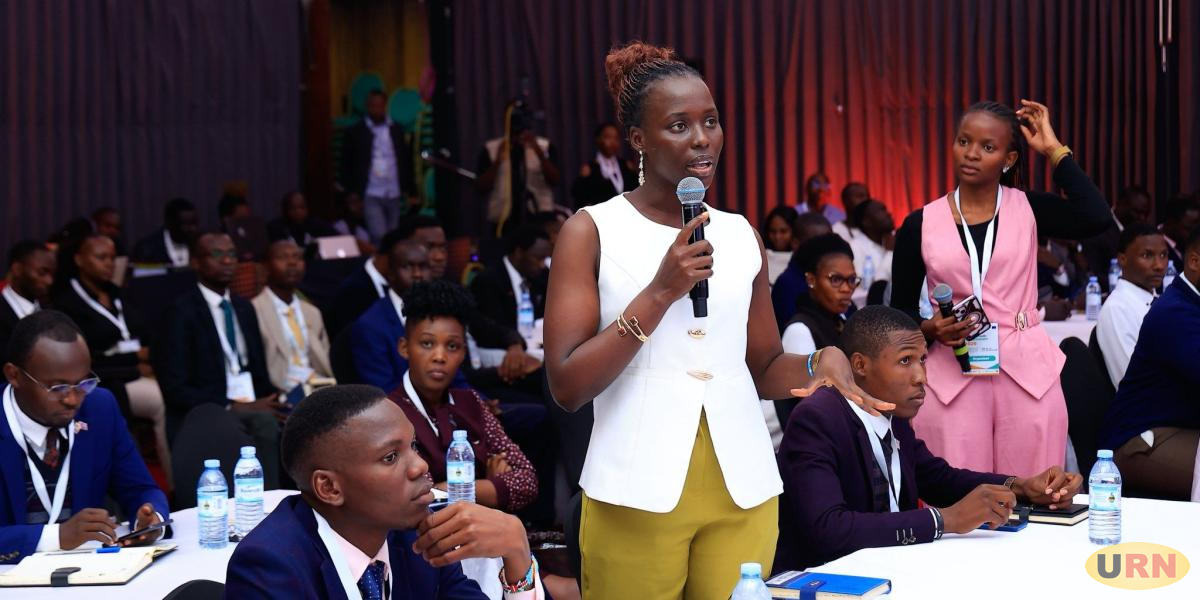
The call was made on Wednesday at the fourth National Youth Symposium held at Parliament in Kampala. The two-day symposium, organised by the Netherlands Institute for Multiparty Democracy (NIMD) Uganda, in partnership with Parliament, the Uganda Parliamentary Forum on Youth Affairs (UPFYA) and the Ministry of Gender, Labour and Social Development, brings together young people aged 18 to 30, political leaders and civil society actors.
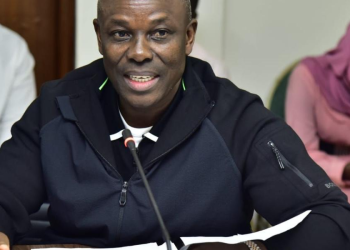
Speaking as chief guest, Minister of Gender, Labour and Social Development Lt. Gen. Henry Tumukunde urged young people to see themselves not as a problem to be managed, but as partners in transforming the country.

He encouraged young people to view education as a tool for contributing to society rather than simply a pathway to formal employment, and equally urged them to take advantage of existing democratic spaces while developing practical skills alongside academic qualifications. For those aspiring to enter politics, Tumukunde said purpose should come before the pursuit of office.
NIMD Uganda Country Director Primus Bahiigi said dialogue remains essential to building an inclusive political system, particularly in a society where political differences can easily become sources of conflict. He cautioned against treating political disagreement as criminal behaviour or allowing differences to fuel hatred.
Bahiigi also urged them to monitor implementation of the National Youth Legislative Agenda 2026-2031 and reject the commercialisation of politics, where political competition is reduced to money and transactions rather than ideas, values and public service.
Meanwhile, NRM Secretary General Richard Todwong also called for greater dialogue across political divides, recounting an experience in which political leaders overcame suspicion by creating space for informal conversation.
“We started laughing and realised we were all on the same page,” he recalled. Todwong said young people constitute a significant part of Uganda’s electorate but are not always sufficiently informed about the issues on which they are expected to vote. He encouraged them to study district development plans, national priorities and political party manifestos, and to demand accountability from elected leaders. He also warned young people against allowing themselves to be used as instruments of political conflict.
For Todwong, meaningful political participation begins with self-awareness. Young people, he said, should understand their own ambitions, build competence in their chosen fields and establish a record of contribution before seeking public office.
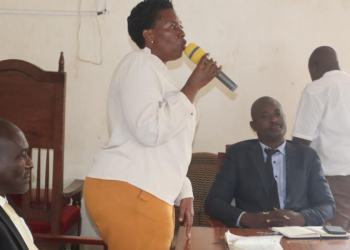
National Youth MP and UPFYA Chairperson Mercy Kanyesigye focused on the financial barriers facing young people who want to participate in elective politics. She said the high cost of seeking political office can disadvantage young candidates with ideas and leadership potential but limited financial resources.
Kanyesigye called for greater emphasis on substance and public service rather than money in political competition. She also warned against the growing use of social media to attack political opponents, citing cyberbullying, insults, sexualisation, misinformation and the mobilisation of young people for political abuse.
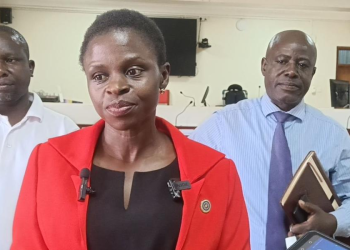
Instead, she encouraged young people to start building records of community service now rather than waiting until they decide to contest for political office. Representing the European Union, the Deputy Head of Mission Eole Sury described the post-election period as an opportunity to rebuild trust between citizens and political institutions.
She called for greater space for dialogue across political and social differences and urged stakeholders to view young people beyond the familiar narratives of unemployment and exclusion. Young people, she said, should also be recognised as leaders, innovators and partners in democratic governance.
Sury said citizens ultimately judge democracy by what institutions deliver in their everyday lives, including whether public services work and whether leaders are accountable. The emphasis on youth participation comes against the backdrop of Uganda’s youthful population.
UBOS data from the 2024 census puts the share of people aged 18-30 at 23.5 per cent of the total population, while labour-market data also shows significant economic challenges among young people.
For NIMD Uganda, which works to create safe spaces for multiparty dialogue and strengthen the capacity of political actors, particularly young men and women, the challenge is to move youth participation beyond election-season mobilisation. T
The messages emerging from the symposium is that leadership cannot begin with the acquisition of an office. It must begin with preparation, competence, community service, dialogue and a willingness to hold institutions, and oneself, accountable-URN. Give us feedback on this story through our email: kamwokyatimes@gmail.com