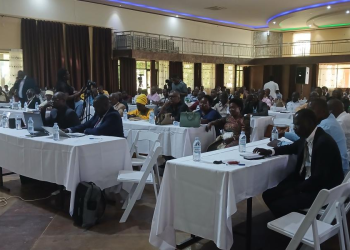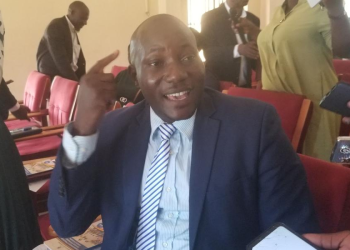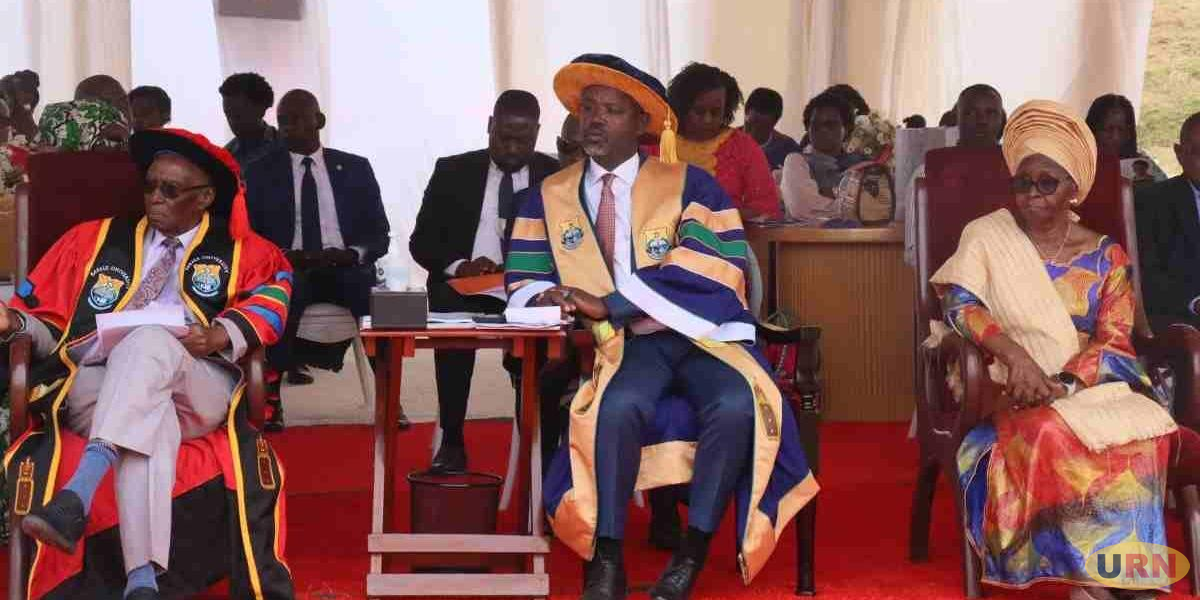
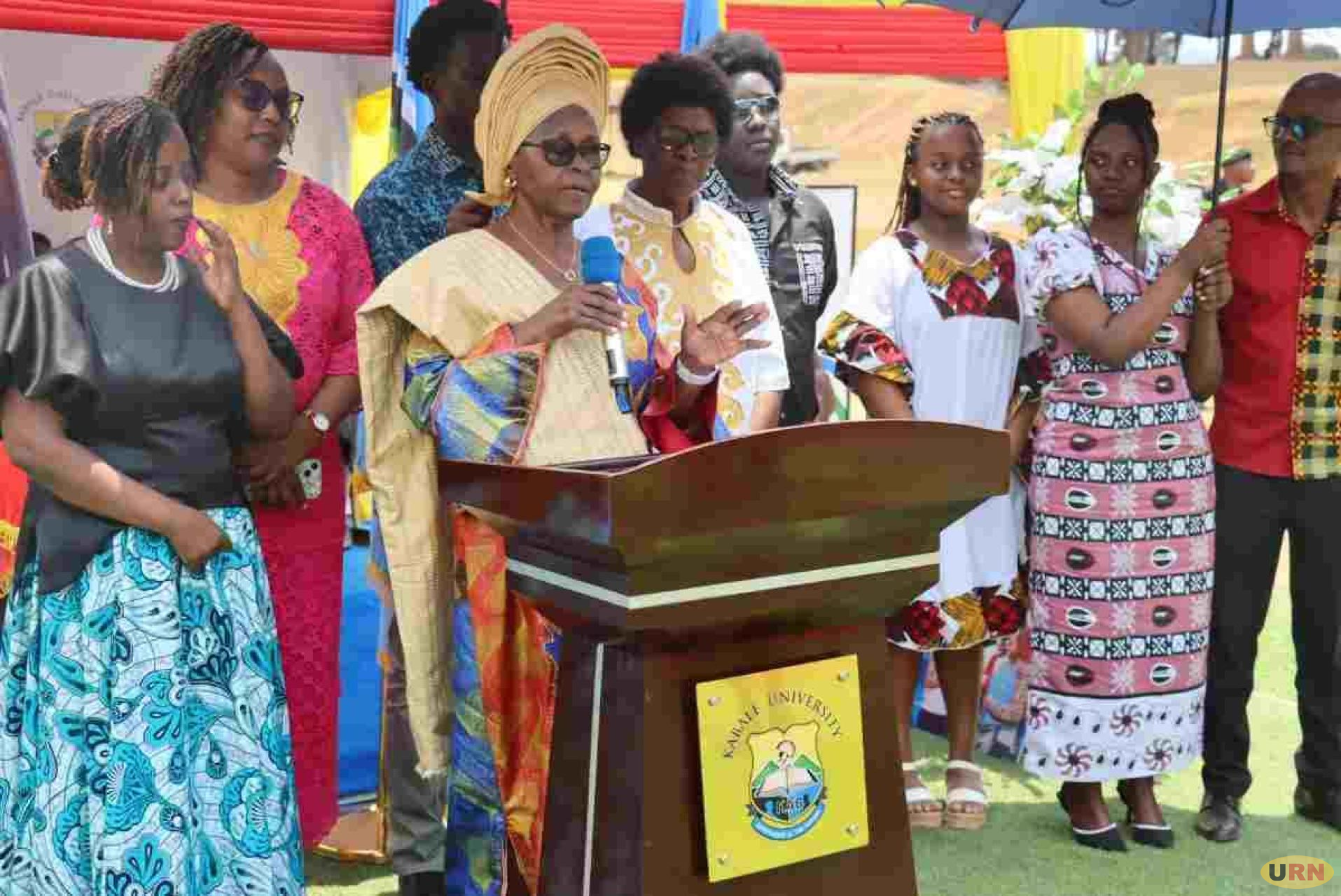
Deputy Speaker of Parliament Thomas Tayebwa has offered to chair fresh negotiations between Kabale University and Kabale District Local Government over the stalled transfer of land needed for the university’s expansion. Tayebwa offered to mediate during a farewell ceremony for Prof. Joy Constance Kwesiga, who has retired after serving as Kabale University Vice Chancellor for 21 years.
Prof. Kwesiga used her farewell speech to express regret that, despite the significant progress made by the university during her tenure, she had been unable to convince Kabale District authorities to release additional land for the institution’s expansion.
She said the district leadership had failed to recognise the university’s potential to drive economic growth and development in the Kigezi sub-region. According to Kwesiga, an expanding university attracts students, staff, suppliers, researchers, development partners and other businesses, creating economic opportunities for the surrounding community.

She particularly pointed to three inter-ministerial meetings chaired by the First Lady and Minister of Education and Sports, Janet Museveni, during which it was resolved that Kabale District Local Government should allocate up to 70 acres of land to Kabale University while retaining 20 acres at Kikungiri Hill in the Southern Division of Kabale Municipality. However, Kwesiga said the resolution had not been implemented despite repeated follow-up by the university.
Responding to the concerns, Tayebwa pledged to facilitate renewed negotiations between the university and district authorities. He dismissed concerns that transferring land to the university would expose Kabale Municipality to financial risks, arguing that the institution would instead be a major driver of the city’s anticipated transformation into a Tourism City.
Tayebwa said the university needs adequate land if it is to accommodate future expansion and enable government to implement its plans for the institution. “Look at developed countries and see how many cities have grown around universities,” Tayebwa said, adding that Uganda has bigger plans for Kabale University.
He warned that limited land could frustrate those plans.“If land for expansion remains limited, it will be difficult even for the government to continue with some of the plans,” he said.
Tayebwa said the dispute should be resolved through dialogue because the growth of Kabale University would also benefit the wider community.
The land question has been a longstanding issue for the university.Kabale University Council Chairperson Addison Kakuru blamed the continued impasse on what he described as deliberate efforts by unnamed individuals within the district leadership to frustrate the university’s expansion.
Kakuru said even the initial land allocated to the university in the 1990s faced resistance from individuals he described as detractors.
Kabale District Council resolved in 1994 to allocate 50 acres of land to the university. The institution subsequently began operations in 2002. Since then, efforts to secure additional land have remained unresolved despite the university’s rapid expansion-URN. Give us feedback on this story through our email: kamwokyatimes@gmail.com