Health Minister Dr Chris Baryomunsi has tasked the new Malaria Free Uganda board with mobilising domestic funding for a five-year, 1.7-billion-dollar malaria elimination plan.
The government aims to increase its share of malaria financing from 28 per cent to 50 per cent by 2030, as Uganda seeks to reduce its dependence on external donors amid a resurgence in malaria prevalence.
Health Minister Dr Chris Baryomunsi has tasked the newly inaugurated board of Malaria Free Uganda (MFU) with mobilising domestic resources to support a five-year national malaria elimination plan estimated to cost 1.7 billion dollars.

The initiative seeks to expand private-sector and community contributions as the government commits to increasing its share of malaria financing from 28 per cent to 50 per cent by 2030.
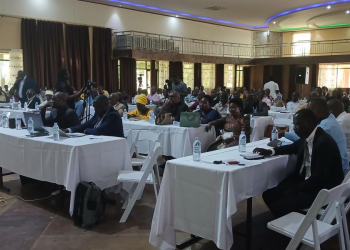
Speaking at the board’s inauguration on Friday evening, Baryomunsi said the scale of the malaria burden required financing beyond government allocations and donor support.
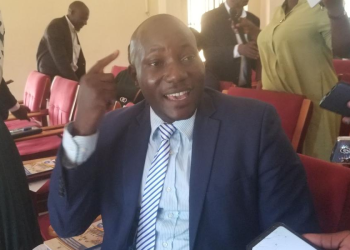
“Malaria is not only a health problem; it is an economic problem, and that is why this Board looks the way it does. We have committed to raising our own share of malaria financing to half of the total by 2030.
But a challenge of this scale is not closed by the government alone, and it should not be.
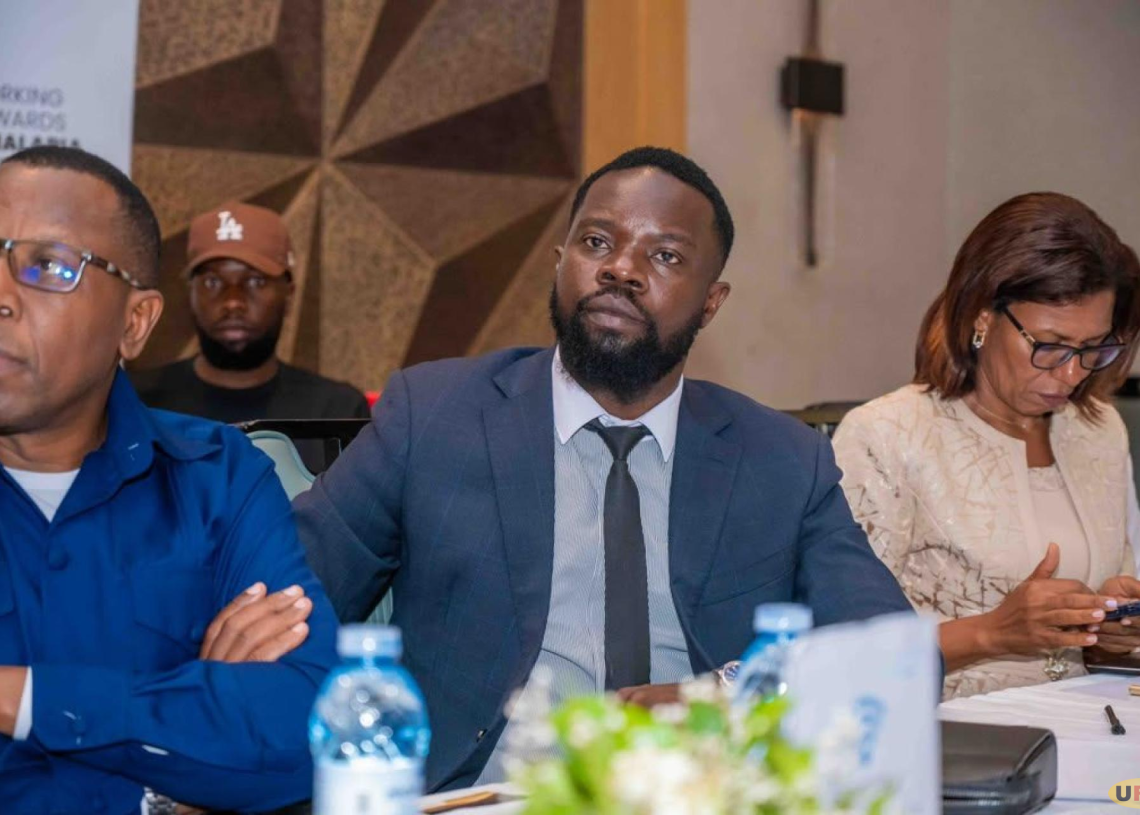
This Board widens the circle of those who carry it,” Baryomunsi said.The board, which will serve until 2029, is chaired by Rotarian Kenneth Mugisha.
Its members include Secretary to the Treasury Ramathan Ggoobi, Milly Babalanda from the Office of the President, Centenary Group Chief Executive Fabian Kasi, Ecobank Uganda’s Grace Muliisa, Uganda National Oil Company Chief Executive Proscovia Nabbanja, Uganda Electricity Generation Company Chief Executive Harrison Mutikanga, MTN Uganda Foundation’s Charles Mbiire, Uganda Coffee Federation’s Robert Byaruhanga and Euro Gold Refinery’s Ben Mungufeni.
Over the past five years, the public-private partnership platform has mobilised about 6.2 million dollars in cash and in-kind contributions and engaged more than 100 organisations.
The resources have supported malaria communication and awareness campaigns, procurement of commodities, and Uganda Blood Transfusion Services, including equipment worth 1.32 billion shillings.
Data shared in a Ministry of Health statement indicates that contributions reached 8.886 billion shillings in the 2025/2026 financial year alone.
Despite these contributions, the cost of malaria prevention, diagnosis and treatment remains a significant burden on households and the wider economy.
Uganda remains the world’s third-largest contributor to malaria cases and the tenth-largest contributor to malaria deaths, according to statistics cited by the World Health Organisation.
The disease costs the country an estimated 577 million dollars annually in treatment expenses and lost productivity, equivalent to about 1.5 per cent of gross domestic product. Malaria also accounts for between 30 and 50 per cent of outpatient visits.
Experts estimate that households bear more than 70 per cent of malaria-related costs, with families in the most affected districts spending up to a quarter of their income managing the disease.
The WHO’s World Malaria Report 2025 estimates that 282 million malaria cases and 610,000 deaths occurred worldwide in 2024. The African Region accounted for approximately 94 per cent of cases and 95 per cent of deaths.
Uganda has made progress in reducing malaria deaths, which fell from 14,000 in 2014 to 3,000 in 2023. Parasite prevalence among children under five also declined from 42 per cent in 2009 to nine per cent in 2018.
However, the 2024 Malaria Indicator Survey recorded a reversal, with prevalence rising to 12.5 per cent. National malaria incidence stands at 274 cases per 1,000 people, against a target of 185. An epidemic in 2022 alone added 3.3 million cases.
Baryomunsi said the figures underscored the need to broaden the country’s financing base to sustain interventions and reduce the disease burden.
Uganda’s previous malaria plan required one billion dollars but raised only 741 million dollars, leaving a funding shortfall of 27 per cent. Donors provided 62 per cent of the money mobilised.
Officials attending the inauguration said the suspension of United States government funding in 2025 exposed the risks of relying heavily on external financing for essential health programmes. The new board is expected to mobilise companies, local institutions, communities and other non-state actors to complement government funding.
Bernard Feni, the Chief Executive Officer of Euro Gold Refinery and a newly appointed board member, said the initiative would encourage Ugandans and local organisations to take greater responsibility for malaria elimination.
“As Euro Gold Refinery, we look at this as a corporate social responsibility. We are looking forward to supporting the initiative to end malaria by also calling upon other companies. The board has come up with a new initiative of holding hands locally, so expect a change on how malaria matters are addressed in the country,” Feni said.
At the inauguration, board members made initial commitments to support malaria elimination through their respective institutions and sectors.The push for domestic financing comes amid growing pressure on international health funding, which has supported Uganda’s malaria control programmes for more than two decades, particularly through the Global Fund to Fight AIDS, Tuberculosis and Malaria.
In March 2026, the Ministry of Health disclosed that Uganda had been allocated US$521 million for HIV, tuberculosis and malaria interventions under the Global Fund’s 2026–2028 funding cycle, about US$80 million less than the previous allocation.
The malaria component declined from US$267.25 million to approximately US$234.91 million.
The reduction comes as international aid budgets face further cuts and uncertainty, following major changes in US foreign assistance.
The Global Fund’s 2026 Results Report, released in September, warned that funding disruptions had contributed to shortages of essential medicines and delays in malaria prevention campaigns in some countries. These developments put additional pressure on Uganda to increase domestic financing while protecting gains made against the disease-URN. Give us feedback on this story through our email: kamwokyatimes@gmail.com