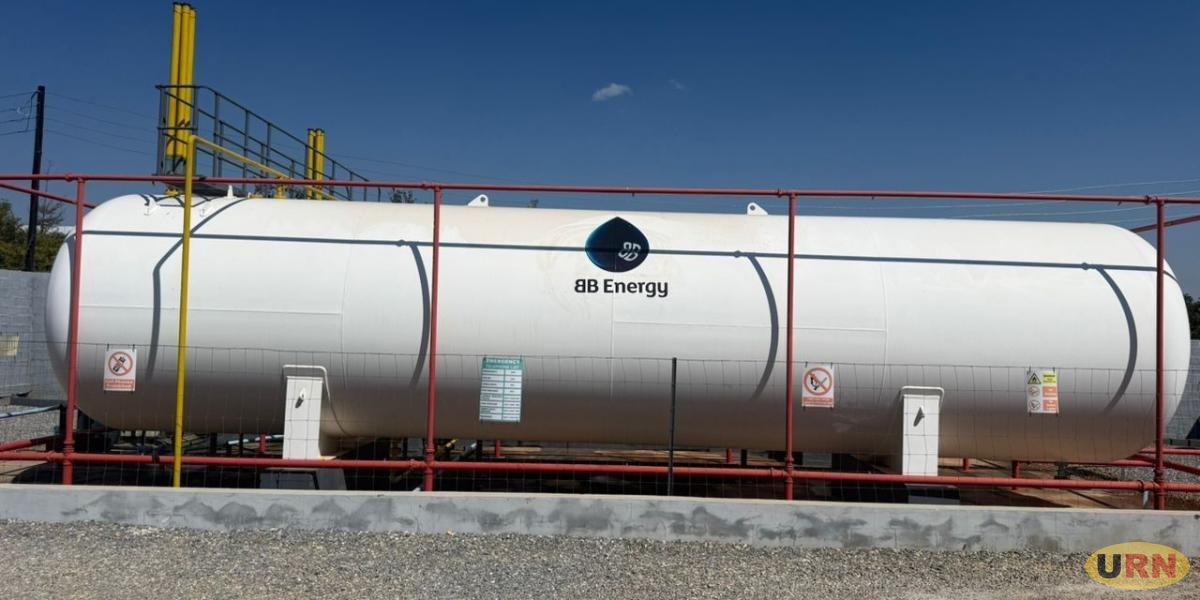
South Sudan has regained limited access to advance financing against its future crude oil exports after reaching an agreement with commodities trader BB Energy to partially settle a dispute that had led to restrictions imposed by a London court.
The agreement comes weeks after the High Court in London upheld an injunction that prevented South Sudan from entering new oil prepayment arrangements while a legal dispute with BB Energy remained unresolved.
“BB Energy is pleased to announce that it has been awarded three additional crude oil cargoes by the Republic of South Sudan, scheduled for delivery in August, September and November 2026,” reads a press statement by BB Energy.

BB is a global energy trading and distribution company with some of its dealings in countries like Zambia and South Sudan.
“In consideration of these awards, BB Energy has agreed to relax the existing injunction restrictions that had prevented the Republic of South Sudan from accepting advance payments for crude oil cargoes. The relaxation of the injunction will remain in effect until the end of November 2026.”
This multi-party legal issue was resolved through constructive discussions with RSS and the other market participants involved.
The three cargoes will assist in paying down the amount outstanding to BB Energy, and each of BB Energy and the Republic of South Sudan is committed to negotiating a long-term solution for the full balance over the coming months.
Under the new agreement, South Sudan has awarded BB Energy three crude oil cargoes scheduled for delivery in August, September and November 2026.
In return, the company has agreed to temporarily relax the injunction, allowing the government to once again receive advance payments for future crude cargoes until the end of November.
The three cargoes will be used to reduce money owed to BB Energy under an earlier oil prepayment agreement, while both parties continue negotiations on a longer-term settlement.
“We thank the Republic of South Sudan for its positive commercial engagement,” said Jas Grewall, BB Energy’s Head of Business Development, adding that the company looks forward to fully resolving the dispute and continuing its commercial relationship with the government.
According to the company, the legal dispute was resolved through discussions involving South Sudan and other market participants. The agreement provides a significant financial reprieve for South Sudan, whose government depends on crude oil exports for the vast majority of its public revenue.
Oil-backed prepayment agreements allow governments to receive cash upfront from commodity traders in exchange for future crude deliveries.
While the arrangements provide immediate liquidity, they also expose governments to legal and financial risks if oil production is disrupted or contractual deliveries are not fulfilled.
South Sudan has increasingly relied on such arrangements to finance its budget and public spending amid persistent fiscal pressures.
The latest agreement restores the country’s ability to access this source of financing, at least temporarily, while negotiations continue over outstanding obligations.
The dispute arose from oil prepayment agreements signed in 2024 and 2025 under which BB Energy advanced funds to South Sudan in exchange for future crude deliveries.
According to the company, only the first cargo under the arrangement was delivered in February 2026 before subsequent shipments failed to materialise.
BB Energy subsequently sought legal protection through the English courts, arguing that South Sudan had failed to honour crude deliveries linked to prepayment agreements worth about 142 million US dollars.
In June, the High Court maintained restrictions preventing South Sudan from accepting new advance payments or entering fresh oil-backed financing arrangements covering Dar Blend and Nile Blend crude until the dispute was addressed. The settlement partially suspends those restrictions until the end of November 2026. The developments in South Sudan offer important lessons for Uganda as it prepares to become an oil-producing country.
Uganda expects commercial oil production to begin soon and has consistently indicated that petroleum revenues will supplement, not replace, domestic tax revenues and other sources of government financing.
The South Sudan case illustrates the opportunities and risks associated with oil-backed borrowing. While advance financing can provide governments with immediate funds during periods of fiscal pressure, it can also create significant legal and financial obligations if production delays or other disruptions prevent crude deliveries.
Energy analysts say the dispute underscores the importance of transparent petroleum contracts, prudent debt management and careful use of future oil revenues to avoid exposing public finances to costly commercial disputes.
For the wider East African region, the settlement also signals renewed confidence among international commodity traders in South Sudan’s oil sector while highlighting the growing importance of sound governance as new producers such as Uganda enter the global oil market-URN. Give us feedback on this story through our email: kamwokyatimes@gmail.com