Security officials and environmentalists in West Nile have resolved to step up protection of standing trees and enforce the ban on charcoal trade under Presidential Executive Order No. 3 of 2023.
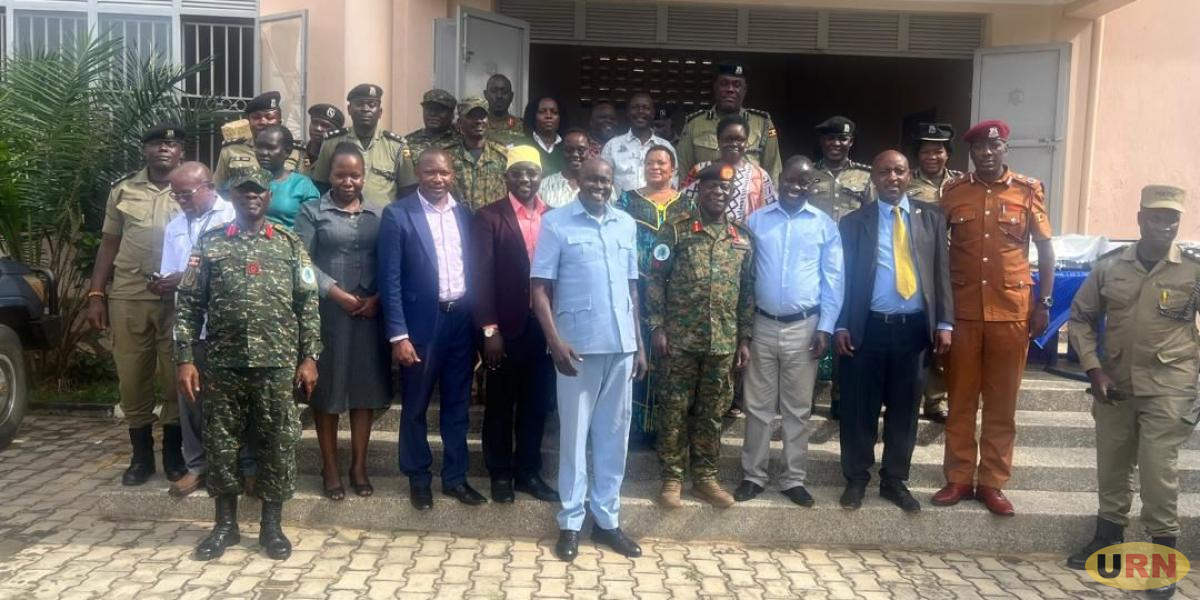
The resolutions were made during a stakeholders’ meeting chaired by the 4th UPDF Division Commander, Maj. Gen. Joseph Serunkuma, at the West Nile Regional Police Headquarters in Arua City on Wednesday.
Serunkuma commended enforcement teams for their work but urged them to focus more on preventing the cutting of live trees for charcoal production, rather than concentrating only on confiscating charcoal that has already been produced.

He also called for teamwork, mutual respect and the free exchange of information among enforcement agencies.
West Nile Regional Police Commander, Senior Superintendent of Police Latif Zaake, called for consultations with the Environment Department and the Criminal Investigations Directorate (CID) headquarters in Kampala on how to dispose of impounded charcoal linked to pending court cases.
He also called for the involvement of the Office of the Director of Public Prosecutions and the Judiciary in enforcement and the management of confiscated charcoal.
Assistant Commissioner of Police Leni Ndori, the Regional Prisons Commander, urged officers to interpret the Executive Order correctly and ensure proper monitoring before implementing its provisions.
However, Gertrude Collins Atimango, the West Nile Regional Commissioner for Resident City Commissioners and Resident District Commissioners, called for immediate action to manage the large stockpiles of charcoal in Busia, Koboko District, and other parts of the region.
Rtd. Maj. Akello Betty Otekat, the Resident City Commissioner of Arua City, reminded the meeting that people clearing land for agriculture must notify the relevant ministry in writing, as required under the Executive Order.
The security team identified Madi-Okollo, Koboko, Yumbe and Adjumani as charcoal production hotspots. It called for stronger enforcement structures, starting at village level and extending to district and regional authorities.
Officials from the Uganda Revenue Authority’s Arua regional office said government policies, directives and executive orders should be communicated clearly and in good time to enable the agency to implement them.
The meeting resolved to mobilise local leaders to conduct community sensitisation campaigns against cutting trees for charcoal production. Districts were also directed to hold security committee meetings and prepare enforcement work plans within one week.
The team further resolved to continue impounding charcoal at the Busia border point in Koboko and other locations, with the seized stock to be distributed to government institutions, including prisons, hospitals and schools, within one week. The institutions receiving the charcoal are expected to plant trees in return.
Forest officers and URA officials were directed to stop clearing and issuing movement permits to charcoal dealers. Joint UPDF and Police teams will also be formed to prevent the transportation of charcoal at night.
The resolutions further prohibit the transportation of charcoal in any quantity across Greater West Nile and Northern Uganda. Trucks and motorcycles found carrying charcoal are to be impounded, while their occupants face arrest and prosecution.
The latest measures follow an enforcement operation in Koboko, near the South Sudan border, during which security agencies seized hundreds of sacks of charcoal reportedly worth billions of shillings.
The seizure triggered protests and complaints from charcoal traders.
The new resolutions seek to strengthen enforcement while addressing the environmental damage caused by cutting trees for charcoal production-URN. Give us feedback on this story through our email: kamwokyatimes@gmail.com