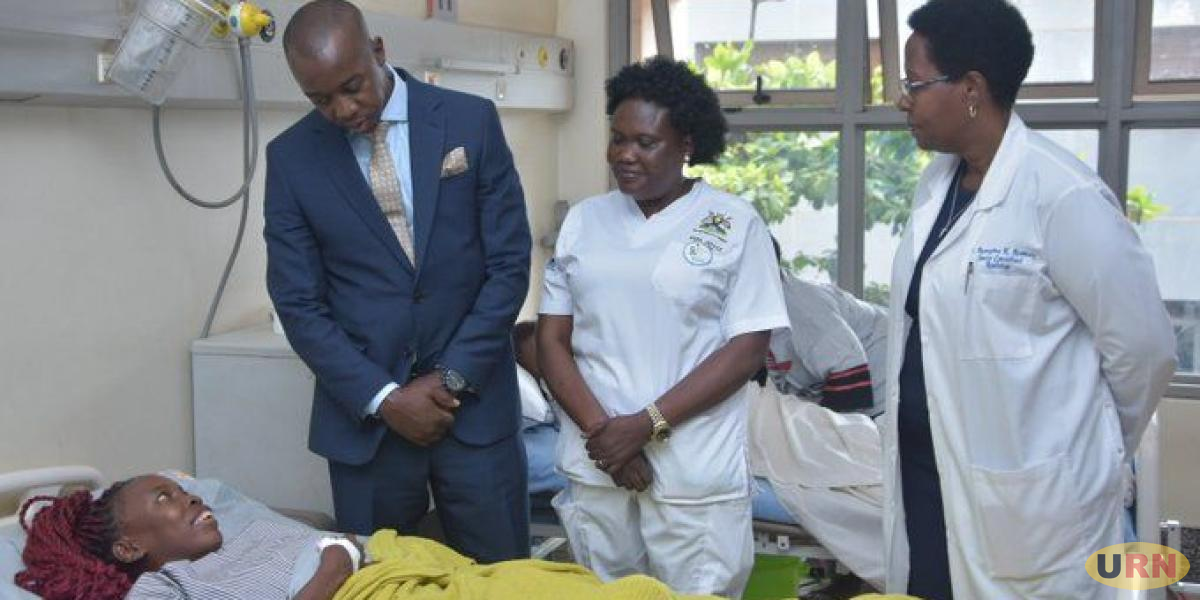
Twenty-five people living with sickle cell disease have undergone hip replacement surgery to treat osteonecrosis, a painful condition in which bone tissue dies because of reduced blood supply.
The operations were carried out during a free surgical camp that ends on Friday.Dr Philip Kasirye, who heads the Sickle Cell Clinic at Mulago National Referral Hospital, told URN that bone complications affect between five and ten percent of the approximately 100 patients seen at the clinic daily. However, most cannot afford the surgery they need.
Kasirye explained that during a sickle cell crisis, abnormally shaped red blood cells can block small blood vessels that supply blood to the bones. When the blood supply is cut off, bone tissue begins to die, causing severe pain and difficulty walking or moving.

The condition mainly affects the hip and shoulder joints. Kasirye said the hospital has spent the past ten days performing free hip replacement surgeries after receiving a donation of implants needed for the procedures.
Dr Alex Bangirana, a Senior Consultant Orthopaedic Surgeon at Mulago, said the camp had helped reduce the number of patients referred from the sickle cell clinic for bone assessment.
He explained that many patients are unable to afford surgery, leaving doctors with few options beyond treating their pain and providing crutches to help them move around.
Bangirana said hip replacement surgery normally costs about 25 million Shillings.
Even when Mulago subsidises the cost to about ten million Shillings, he said, very few patients can afford the procedure.
Mulago Hospital Executive Director Dr Rosemary Byanyima said the hospital has surgeons qualified to perform the operations but often lacks the implants and other supplies needed.
She explained that these items are not included among the products supplied by the National Medical Stores.
Byanyima added that the hospital also operates with limited funding and inadequate infrastructure. The pressure is particularly high at the sickle cell day care centre, where staff have had to add beds beyond the centre’s intended capacity to accommodate the growing number of patients.
However, Dr Charles Ayume, the State Minister of Health in charge of Primary Health Care, said the government planned to improve infrastructure at Mulago to strengthen care for people living with sickle cell disease.
Speaking on Tuesday afternoon while visiting patients recovering from surgery, Ayume said the government intended to bring more intensive care beds into use. He said this would help the hospital make full use of the 24-bed intensive care unit and improve care for sickle cell patients who require admission.
Meanwhile, figures shared by RareMark Foundation, the non-governmental organisation that registered beneficiaries for the surgical camp, show that more than 100 people signed up after the organisation announced the initiative.
Stephen Byamugisha, a co-founder of the organisation, said the high number of applicants reflected the burden of sickle cell complications and the difficulties patients face in accessing specialised treatment.
He said initiatives such as the camp could improve the quality of life of people who live with persistent pain and mobility problems.
The camp was also intended to give student doctors and other health workers practical experience in managing complications associated with sickle cell disease, Byamugisha added-URN. Give us feedback on this story through our email: kamwokyatimes@gmail.com