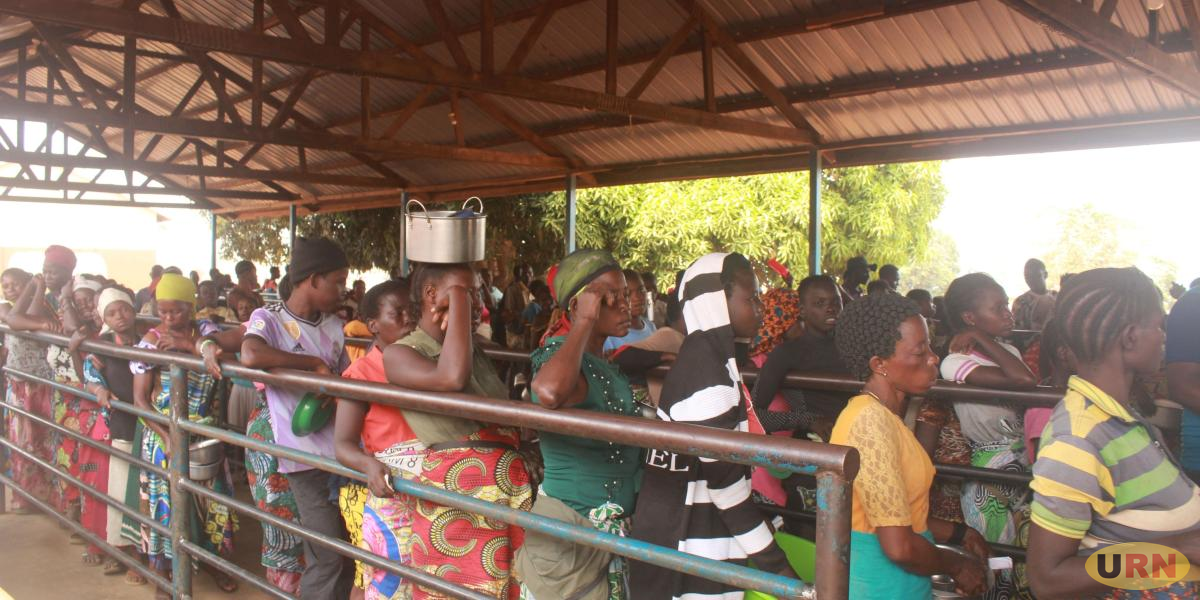
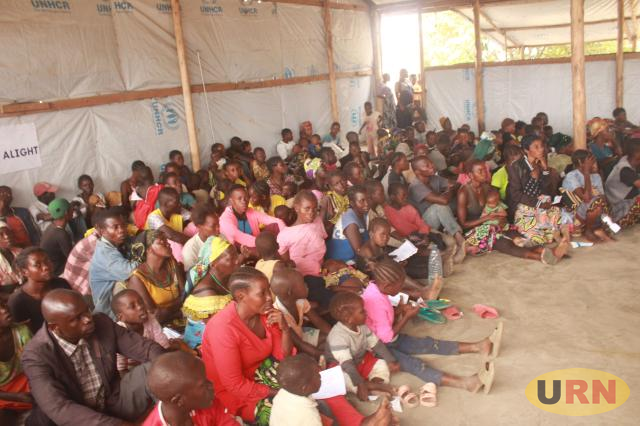
For Jane Adiru, the produce business she started with a loan from the GROW Project has changed how she provides for her family. The refugee living in Kyangwali refugee settlement in Kikuube District says she can now earn an income and meet her family’s needs, a major shift from the past when she depended largely on food assistance provided to refugees.
“My business is doing well, and I am now able to look after my family,” Adiru says. Adiru is among a growing number of refugee women in Kyangwali who have turned to small businesses after receiving financial and business support under the GROW Project, a government initiative funded by the World Bank to promote women’s economic empowerment.
For Dorica Mali, the support provided an opportunity to start a salon business in the settlement. Mali says the business earns her money on a daily basis, giving her a more reliable source of income. She is now encouraging other refugee women to embrace the project, saying it offers an opportunity for women to become economically independent.

In Kasonga, Fiera Kasyano is using the skills and financing she received through the project to expand her restaurant business. Kasyano says the training helped her improve the way she manages her business, while the loan enabled her to increase its operations.
She says the support is helping transform small businesses into more established enterprises, creating jobs and contributing to the local economy. The women say the support has become particularly important as traditional food and cash assistance to refugee families has reduced, forcing many households to find alternative ways of meeting their needs.
The GROW Project provides business training, mentorship and access to flexible financing for women entrepreneurs, including refugee women. Fridah Mboni, the Refugee Specialist for the GROW Project, says the initiative is designed to address some of the biggest barriers facing women entrepreneurs in refugee-hosting districts, including limited access to finance, inadequate business skills and weak business environments.
She says women in Kyangwali have been trained in business basics, Women Entrepreneur Platforms, financial literacy, value addition, enterprise management and mindset change to help them respond to market demands and manage their businesses more effectively. The project also works with participating financial institutions, including UGAFODE Microfinance Limited, to provide loans to women who may have limited collateral or little formal financial history.
The financing is intended to enable women to start or expand businesses while building their capacity to become financially independent. For women like Adiru, Mali and Kasyano, the impact goes beyond starting a business. Their enterprises are providing income, creating employment, and helping refugee families gradually move from dependence on aid towards self-reliance-URN. Give us feedback on this story through our email: kamwokyatimes@gmail.com