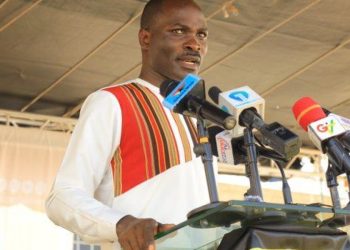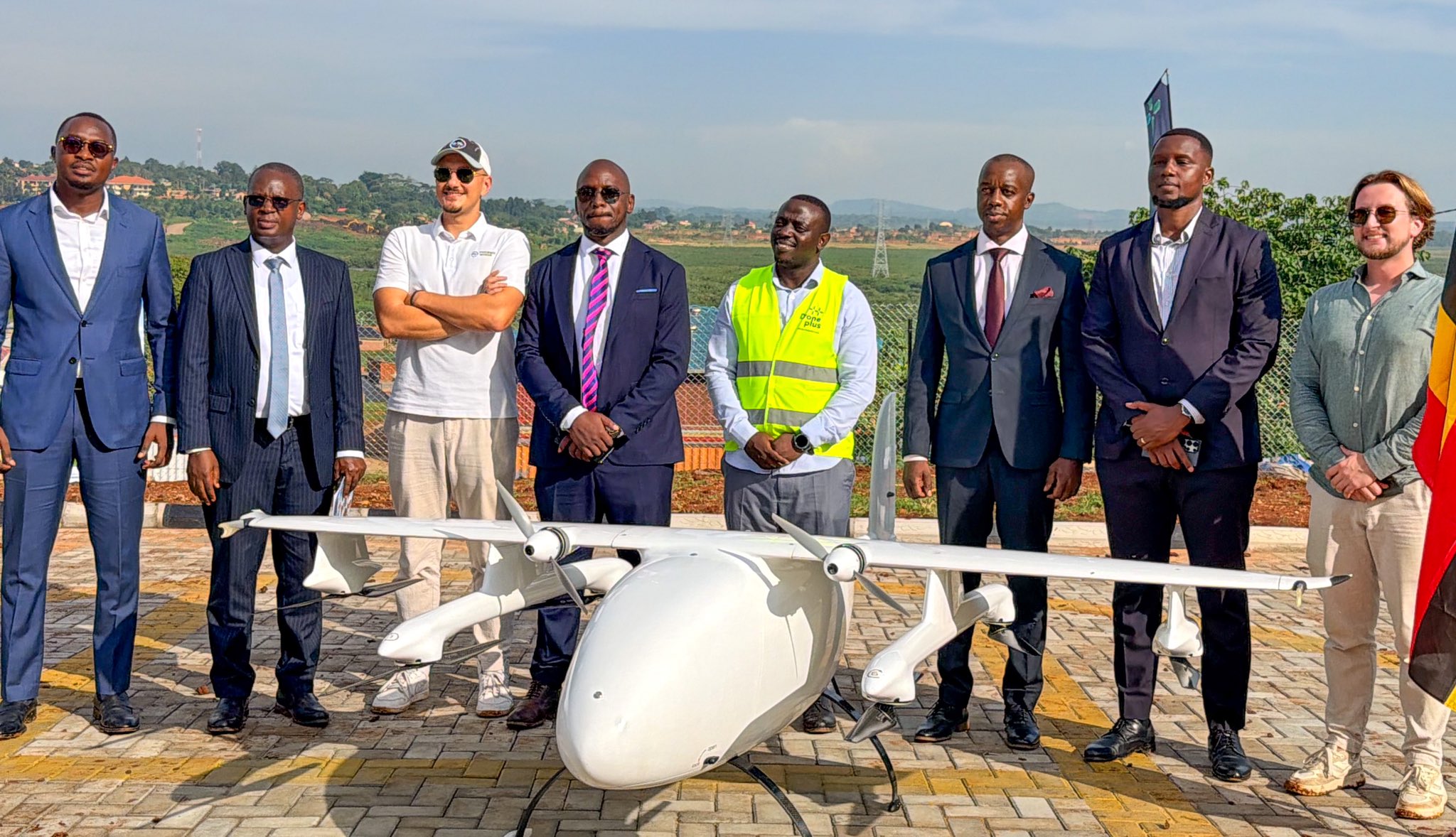
Ayume said the drone would carry medical supplies on its outbound journey and laboratory samples on its return, with the entire flight and turnaround expected to take one hour and 30 minutes. The innovation is expected to address delays in transporting samples from Kalangala, where the process has previously taken up to a week because of the journey by road and ferry through Masaka to Kampala.
Ayume said transporting samples from the island district had been challenging because health workers had to plan around water crossings, weather conditions and the movement of consignments between landing sites and health facilities. With the new system, he said, the ministry expects samples to reach the laboratory in good condition and within an appropriate timeframe to support timely clinical decisions.
Ayume said the idea behind the innovation was conceived in 2015. Dr Charles Kiyaga, a biomedical scientist at the Uganda National Health Laboratory Services, said the newly launched drone can carry up to 15 kilogrammes and fly 100 kilometres without stopping.

Kiyaga said the drone was acquired at a cost of US$110,000 and could cover distances of up to 600 kilometres if charging stations were available to facilitate battery changes. He added that two more drones of the same type would soon be delivered to Uganda, with plans to acquire another two later, bringing the initial fleet to five.
Before the launch, the government relied on a motorcycle operating on Kalangala’s main island to collect samples from eight health facilities and deliver them to Kalangala Health Centre IV. Samples requiring further referral were then collected once or twice a week by a vehicle travelling from Masaka, crossing by ferry and proceeding to the national laboratory in Butabika for reference testing.
The arrangement posed particular challenges for Kalangala, which has more than 80 smaller islands that need to be reached by sample referral services. Health workers and sample collection teams have had to rely on local boats to navigate between the smaller islands and the main island, a process that is time-consuming, costly, and potentially risky.
The drone service is expected to improve the movement of medical supplies and samples while reducing dependence on the lengthy road-and-ferry journey. The government had previously explored the use of a speedboat donated by the United States President’s Emergency Plan for AIDS Relief (PEPFAR) to transport medical samples. However, the arrangement was abandoned because of the high cost of keeping the boat operational.
Ayume said the boat consumed about 300 litres of fuel on a one-way journey from Munyonyo to Kalangala’s main island and could not continue to the smaller islands. The government subsequently returned to using smaller boats, which were cheaper to operate. The introduction of the drone service marks a new approach to overcoming the geographical barriers that have long complicated the delivery of laboratory samples and medical supplies in Kalangala District-URN. Give us feedback on this story through our email: kamwokyatimes@gmail.com