Members of Parliament have demanded a detailed list of students who accumulated Shs66.9 billion in tuition and other fee arrears at Makerere University, including those who reportedly completed their studies without clearing their outstanding balances.
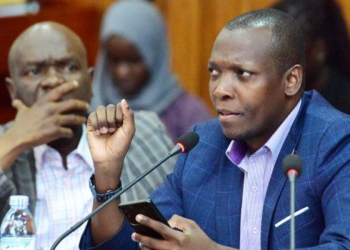
The demand was made on Monday, October 26, 2026, when officials from Uganda’s oldest public university appeared before Parliament’s Public Accounts Committee (PAC) Central to respond to queries arising from the Auditor General’s report for the 2024/2025 financial year.
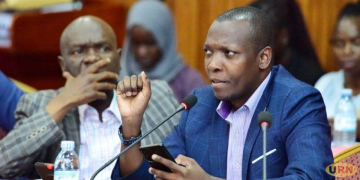
The committee, chaired by Kassanda North MP Patrick Nsamba Oshabe, directed the university to submit a schedule identifying the students responsible for the debt. The list is expected to be presented to the committee on Tuesday, October 27.

Oshabe questioned why the university had allowed students to accumulate substantial arrears, with some reportedly completing their academic programmes without paying their full tuition fees. He said Makerere had previously sought to have some of the outstanding balances written off its books, but the Auditor General rejected the request.
The committee was told that approximately Shs13 billion relates to students who completed their studies without clearing their tuition fees, while about Shs35 billion is associated with students who may not have completed their respective courses. Other outstanding balances are attributed to students who reportedly joined the university but did not register.
The MPs want a detailed breakdown of the debt to establish how the arrears accumulated, identify the students responsible and assess the university’s efforts to recover the money. According to the Auditor General’s report for the 2024/2025 financial year, Makerere University reported receivables of Shs66.938 billion in its statement of financial position as of June 30, 2025.
Of this amount, Shs51.972 billion related to student fees accumulated between 2018 and 2024, while Shs14.966 billion accrued during the 2024/2025 financial year. The outstanding debt has raised questions about how effectively the university enforces its fees policy, which is communicated to students through admission and joining instructions.
Under the policy, tuition and other university fees are due on the first day of the academic year. Students who fail to pay the full amount at the beginning of the academic year are required to pay at least 60 per cent of the fees for their course load by the prescribed deadline.The policy also requires students to register for, attend lectures and sit examinations only for courses for which they have paid. The arrangement is intended to link students’ academic participation to their financial obligations and prevent the accumulation of unpaid fees.
However, the Shs66.938 billion in outstanding receivables raises questions about whether the university consistently enforced these requirements and how some students were able to progress through their programmes or graduate without clearing their balances.
The Auditor General warned that continued accumulation of receivables without effective enforcement of the university’s fees and debt policies could result in bad debts and expose the institution to financial losses. The outstanding amounts also point to potential weaknesses in controls over student registration, examination access, academic progression and the release of academic documents.
In response to the audit findings, the university’s accounting officer, Secretary Yusuf Kiranda, said management had instituted measures to recover the outstanding student debt. The measures include withholding results and academic documents from students who have not cleared their fees.
The university has also introduced restrictions on academic progression for students who fail to meet their payment obligations. Kiranda further reported that a dedicated committee had been appointed to follow up on the recovery of outstanding receivables-URN. Give us feedback on this story through our email: kamwokyatimes@gmail.com