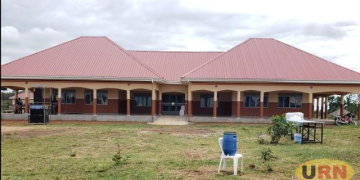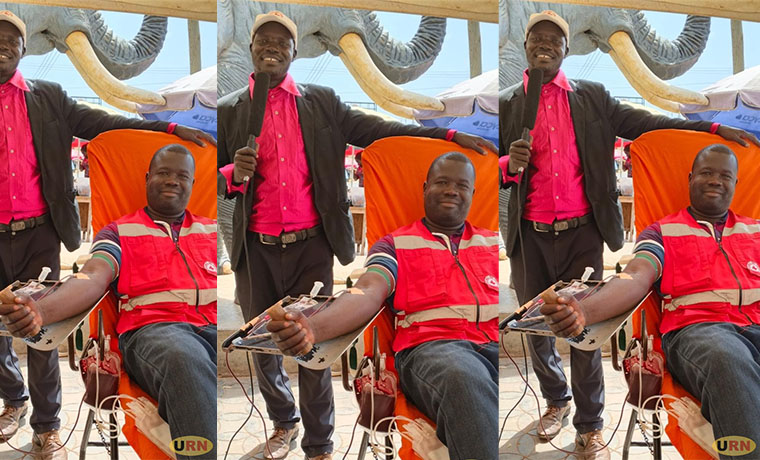
The Uganda Red Cross Society wants a Blood Bank to be established in Kitgum District to address persistent blood shortages and delays in accessing emergency supplies in the wider Acholi sub-region. Sarah Mutegombwa, the Uganda Red Cross Society programme manager in charge of blood donor recruitment, said Kitgum area facilities to depend on the Gulu Regional Blood Bank, located more than 100 kilometres away.
The campaign, which started on Monday and ends Friday, targets 1,500 units of blood from communities across East Acholi. By the close of Wednesday, the organisers had collected 729 units. “This region is vast, and the only blood bank which is available serving this area is Gulu Regional Blood Bank. It is a distance of over 100 kilometres,” Mutegombwa said.
She said the distance poses a serious risk during emergencies when patients require blood urgently. “Imagine a person had 30 minutes to survive. It is a long distance,” she said.

Mutegombwa said the Red Cross is lobbying the Ministry of Health to establish a blood collection and distribution facility in the region, but local communities must first demonstrate that there are enough regular blood donors to sustain it.
She said plans are being considered for the facility in the next financial year, although its establishment will depend on the Ministry of Health.
Mutegombwa said previous blood donation campaigns in Acholi had attracted few donors, making it difficult for authorities to justify establishing a permanent facility.
She said the current campaign is therefore also intended to demonstrate that communities in the region are willing to donate blood. “If we make a justification to request for the facility to come, then the figures are speaking for themselves, that the people are actually there who will sustain this facility,” she said.
The blood drive is being taken to different chiefdoms in East Acholi as part of a nationwide Uganda Red Cross campaign to promote blood donation through cultural institutions.
Mutegombwa said cultural institutions were selected because of the trust and loyalty communities have towards their kings and chiefs.
She said a similar campaign conducted through the Buganda Kingdom attracted a strong response from donors, while similar drives have since been conducted in Bunyoro, Kumam and Busoga. However, she said famine in the region has affected the turnout of some regular donors.
Mutegombwa also said the campaign is helping to address myths surrounding blood donation, particularly in communities where people have never donated blood.
She said some men fear that donating blood could cause impotence, while others believe it can cause infertility or fainting. She said health workers screen donors before collecting blood, including checking haemoglobin levels, blood pressure and other vital signs, while donated blood is screened for infections such as HIV, hepatitis and syphilis.
Thomas Ojok, the senior administrator of Kitgum General Hospital, said the demand for blood at the facility remains high, with an average of 30 patients receiving blood transfusions every week. “There is no substitute for blood. If someone needs blood, it should be donated,” Ojok said.
He said the hospital handles between 15 and 17 Caesarean sections every week, in addition to road crash victims and other emergencies that may require blood transfusion.
Ojok said most of the blood supplied to Kitgum General Hospital comes from Lango and West Nile sub-regions because blood donation rates in Acholi remain low. He appealed to residents to donate regularly so that a permanent blood collection facility can be established in Kitgum.
He said Kitgum General Hospital and the district local government are advocating for a mini regional blood bank to be established at the hospital. “The regional blood bank agreed to put a mini regional blood bank here on one condition: that if they come to collect blood in Kitgum, they want to see how people donate blood,” Ojok said.
He said sustained blood donations would demonstrate the need for a facility and ensure that it is viable. “If each time the regional blood bank comes here and people donate, then a mini blood bank will be here and the problem of blood shortage will be solved permanently,” he said-URN. Give us feedback on this story through our email: kamwokyatimes@gmail.com