Parents in Napak District have asked authorities to allow them to continue making contributions to government-aided schools to meet costs not covered by government funding.
The parents say they are willing to contribute towards boarding, feeding and other school operational costs as long as the payments are agreed upon by parents and there is accountability for the money collected.
The position emerged during meetings between schools and parents following a September 17, 2026 directive by Napak District Local Government ordering head teachers of government-aided schools to stop charging unauthorized fees and contributions.

The directive cited Parent-Teacher Association contributions, development fees, examination fees, remedial lesson fees, registration fees, boarding fees, and demands for items such as cement. In some primary schools, parents have been contributing between 50,000 and 100,000 shillings towards boarding and other school-related costs.
The district says the Education Act provides for free education under government programmes and prohibits schools implementing Universal Primary Education and Universal Post-Primary Education and Training from imposing charges, except in circumstances provided for under the law. However, school management told parents that they face funding gaps if the contributions are stopped, particularly for boarding facilities that were established through local initiatives involving parents and teachers.
Julius Akol, a parent, said parents appreciate government support towards education and assistance from development partners, including school feeding, but are willing to meet costs that remain unfunded. “We have no problem contributing money for the school to cover up the remaining gaps in the operations. We understand the schools have no other alternative source of income and therefore the effect would be on children if the schools are not fully supported,” Akol said.
He said parents also risk losing out if schools are left to operate solely on government funding. “As parents, we really go through financial challenges, but also if we just leave schools to rely on government support, which they say is not enough, then it’s us to lose,” he added.
Akol said the experience of private schools shows that parental commitment can contribute to improved academic performance.
Mary Auma, another parent from Matany Town Council, said parents were not opposed to contributing to school development but wanted schools to be transparent about how much was required and how the money would be used. “Why did the issue of fees become a problem? You find the schools could increase the money almost every term, others every new academic year, without engaging us parents; it’s only written in the circular letter. This was very bad,” Auma stated.
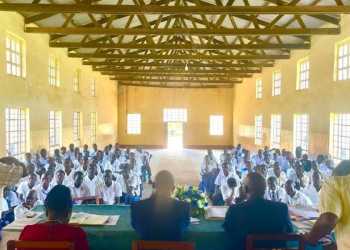
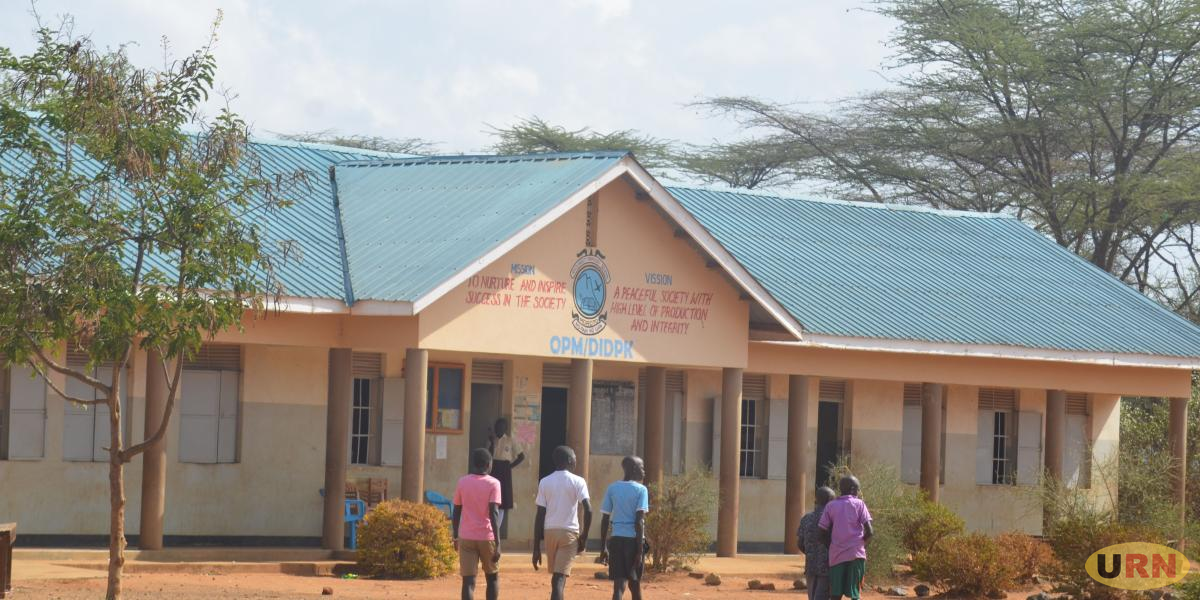
She said the fees dispute had also prompted schools to engage parents more directly in discussions about their development plans. In Lokodiokodio Primary School in Ngoleriet Sub-county, parents agreed to continue contributing towards the boarding section, citing the safety of children, particularly girls, and the long distances some pupils have to travel to access school.
The parents said keeping children at school also reduces the cost and risks associated with sending them home daily. John Lochonge, the school’s Director of Studies, said the school would struggle to run its boarding section and meet some operational costs if it depended solely on government funding.
“The government sends only UGX 20,000 for every child for the whole year and the money is too little to run the school,” Lochonge noted.
He said the capitation grant is intended for school operations and does not cover boarding or school feeding. The school receives food support from the World Food Programme, but parents’ contributions are used to buy firewood, salt, spices and other items needed to prepare meals. The contributions also help pay teachers who are not on the government payroll and other support staff.
Thomas Loukwae Otim, the Napak District councillor representing Lokopo Sub-county, said he did not support an outright ban on parental contributions, particularly because government does not fund boarding facilities.
Loukwae said the boarding arrangement was established locally by parents and teachers to enable children to remain in school and reduce disruptions to their education.
He said parents should be allowed to make voluntary contributions, provided that no child is denied education because of failure to pay. He also called for any charges to be agreed upon by parents in meetings rather than imposed by head teachers.
Albert Okello, a parent from Kangole Town Council, similarly said schools could not meet all their operational needs without some additional support.
However, he urged school managers not to send children home over voluntary contributions, saying parents should be given time to raise the money.
Napak LC5 Chairperson John Paul Kodet said schools should not impose unnecessary charges on day scholars but argued that boarding facilities require additional resources, including daily meals.
Kodet said some children are forced to board because there are no schools in every parish, making it difficult for pupils to travel long distances to attend classes.
“If government wants schools to ban fees, they should consider putting schools in every parish so that pupils can access free education without extra costs attached,” Kodet said.
He said the Education Act allows parents and teachers to engage in dialogue over the management of schools and called for such arrangements to be respected. However, the district administration says the parents’ decision does not amount to a lifting of the fees ban.
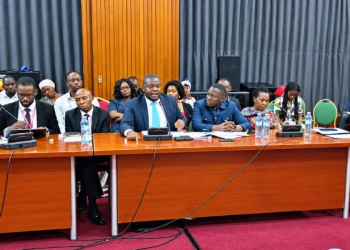
Napak Chief Administrative Officer Robert Abia Owilli said the district had received letters from schools reporting agreements reached with parents over contributions.
Abia said school management committees and boards of governors had convened meetings with parents to review previous arrangements on fees and contributions.
He said the district would compile the reports and submit them to the district council before forwarding them to the Ministry of Education and Sports for consideration.
“The school and parents agreement shall be determined by the Ministry’s approval whether parents can make contributions to the school’s operations. If the government pays school fees, the boarding section arrangement is not a responsibility of the government; instead, it’s the agreement between parents and school to facilitate it, including school feeding, but the payment agreement has to be guided by policy,” Abia said.
He said parents could also agree to contribute towards the payment of teachers who are not on the government payroll, provided there is agreement and clear accountability. Abia, however, warned schools and parents that the district’s September 17 directive remains in force until the Ministry of Education gives clearance for any charges to be imposed-URN. Give us feedback on this story through our email: kamwokyatimes@gmail.com