A minority report by opposition members of parliament warns that the Protection of Sovereignty Bill, 2026, if enacted in the current form, could isolate Uganda from the global financial system and dismantle constitutional rights.
They described the Bill being propelled by the ruling NRM legislators as “colorable legislation”.
The doctrine of colourable legislation is a legal principle that aims to prevent the excessive unconstitutional use of the legislative authority of the government. It is also technically termed as the ‘Fraud on the Constitution’.

The Bill, which seeks to regulate “agents of foreigners” and restrict foreign funding, has faced near-universal rejection from stakeholders, including the Bank of Uganda and even the public.
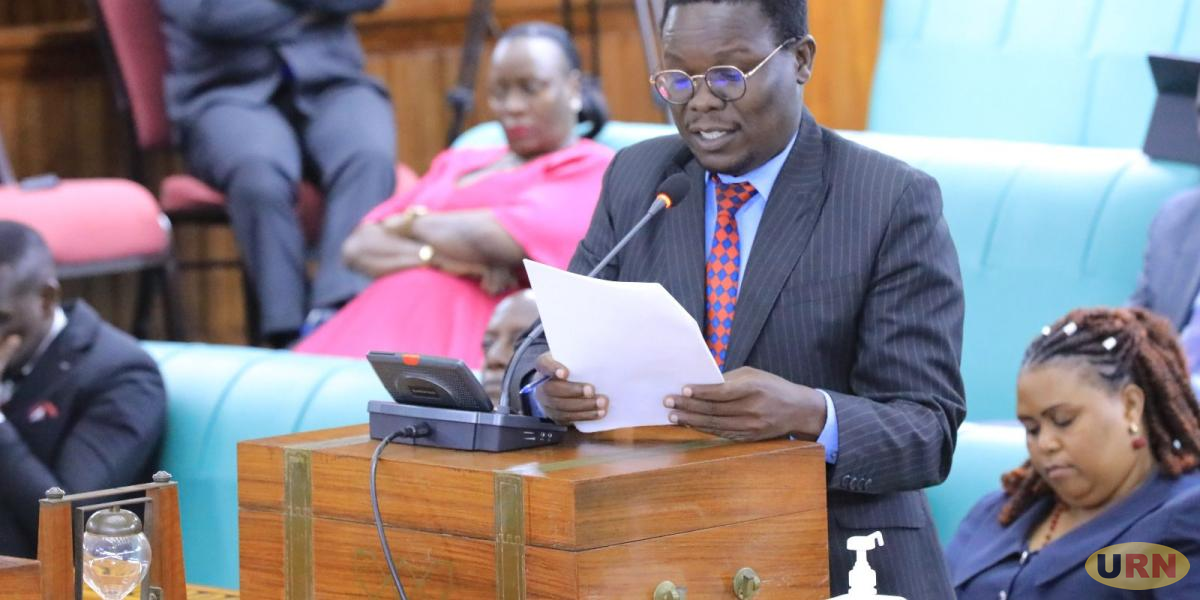
Presented by Kiwanuka Abdallah (MP, Mukono County North), the minority report was based on the submissions from the Bank of Uganda that cautioned that the Bill could trigger a “sudden capital exit” and destabilize the national economy.
Key economic risks identified include the remittance crisis that defines Ugandan citizens living abroad as “foreigners,” threatening the USD .5 trillion in annual remittances that support millions of households.
The report notes that the Bill’s manual approval requirements for funds are “technically incompatible” with the digital economy, which processes Shillings 27 million transactions daily via mobile money.
On the foreign investment flight, the minority report noted that the proposed cap of UGX 400 million on foreign funding is incompatible with the banking sector’s capital requirements (up to Shillings 150 billion), potentially isolating Uganda from global payment systems.
The minority report argues that the Bill “inverts” the Constitution. The dissenting MPS say that while Article 1 states that power belongs to the people, the Bill, even after changes by the Attorney General, makes the State sovereign over the citizens.
“This Bill effectively converts members of the Ugandan diaspora into ‘foreigners’ in their own country,” the report states, noting that lawyers, researchers, and even journalists could be labeled “agents of foreigners” for simply conducting their professional duties.
They further argue that the Bill is unconstitutionally vague, using terms like “economic sabotage” and “interests of Uganda” so broadly that they could criminalize critical academic research or negative financial analyst notes.
Kiwanuka Abdallah highlighted several procedural failures that he claims render the Bill a nullity.
They note that the Joint Committee that scrutinised the Bill rushed public hearings into just nine days, denying the public a meaningful voice.
They further state that 87% of the Bill was changed during the Committee and therefore violated parliamentary rules and precedents that require such heavily altered bills to be withdrawn and re-drafted.
The report also claims that the Certificate of Financial Implications issued by the Ministry of Finance failed to accurately assess the Bill’s devastating impact on the economy.
In an unusual twist, the report notes that President Museveni has publicly distanced himself from the version of the Bill currently before Parliament.
In a letter to his “Bazukulu” (grandchildren) on X, the President characterized the outcry as noise and claimed the law was never intended to meander into private enterprise or church donations.
However, the minority maintains that the text of the Bill does exactly what the President denied, suggesting the Minister responsible may have exceeded his mandate.
The minority report notes that the Protection of Sovereignty Bill, 2026, should be rejected and withdrawn immediately.
Different lawmakers like Jonathan Odur, Wilfred Niwagaba, Betty Namboze, and Medard Ssegona said that the bill was rejected by only three stakeholders, including the Attorney General, Kiryowa Kiwanuka, and Yusuf Nsimbabi.
They note that the process violated the rules of Procedure of Parliament and had a defective certificate of financial implication.
Namboze claimed that the co-chairpersons of the joint committees were partial when handling the bill, sometimes switching off the mics and denying hard copies to the members.
The joint parliamentary committee, which constitutes the majority report of the Bill, proposed major amendments to the controversial Protection of Sovereignty Bill, 2026, also warning that its original draft could unintentionally criminalize legitimate economic activities and disrupt Uganda’s financial stability.
The Committee on Defence and Internal Affairs, together with the Committee on Legal and Parliamentary Affairs, proposed changes in the exemption of already regulated sectors such as commercial banks supervised by the Bank of Uganda and universities governed by University Councils in order to avoid duplication of oversight.
The committee also proposed narrowing the definition of a “foreigner” to apply specifically to non-citizens and foreign-registered companies after concerns that the original wording could affect Ugandans living abroad.
The report further recommends protecting remittances, trade financing, and legitimate foreign direct investment from restrictive approval processes that critics warned could harm the economy.
The committee additionally proposed reducing the maximum penalties under the law from 20 years’ imprisonment to 10 years, arguing that punishments in the original draft were disproportionate.
The joint committee, in its recommendations, considered almost all the issues raised by different stakeholders, including trimming the powers of the minister initially contained in the draft bill.
However, the Parliament of Uganda is currently locked in a high-stakes standoff as the government moves to fast-track the Protection of Sovereignty Bill, 2026.
Following a heated debate, Government Chief Whip Denis Hamson Obua invoked Rule 16, moving a motion to suspend the mandatory three-day waiting period between the tabling of a report and its second reading.
The move was met with immediate resistance from Leader of the Opposition Joel Ssenyonyi, who invoked Rule 86 to challenge the procedural shortcut. The House had been divided for a vote to suspend the rule to enable further processing-URN. Give us feedback on this story through our email: kamwokyatimes@gmail.com