By KT Reporter
The Ministry of Health has partnered with Inzu Yamasaba leaders in the Bugisu sub-region to promote the uptake of essential health services, particularly immunization and malaria prevention. This collaboration aims to combat misinformation, mobilize communities, and improve healthcare access, especially as Uganda prepares to introduce the long-awaited malaria vaccine.
The engagement with Bugisu cultural leaders, including clan heads, comes at a critical time when malaria remains a major public health threat in the region. Data from the Ministry of Health shows that Mbale District recorded a 48% malaria positivity rate and ranked second in malaria-related deaths in 2024, with 107 fatalities—only surpassed by Hoima’s 135 deaths.

The malaria death rate in Mbale stands at 27%, nearly double the national average of 14%, with Bubyangu, Budwale, and Bufumbo being the most affected areas. Overall, Mbale accounts for the second-highest malaria burden in the country, contributing 5% of Uganda’s total malaria-related cases.
Nationally, malaria remains Uganda’s most prevalent disease, responsible for 33% of outpatient attendances and 20% of hospitalizations. In 2022, Uganda accounted for 3.2% of all malaria-related deaths globally, while response efforts cost the government about $335 million annually.
Stellah Abagail Kisoro, the assistant district health officer, highlighted the often-overlooked impact of malaria, warning that in addition to its fatality rate, the disease can have permanent effects on children’s health, including cognitive impairments. One of the challenges in the fight against malaria has been the absence of a vaccine.
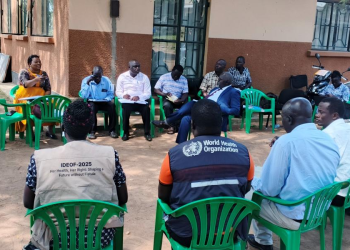
This is set to change as the country prepares to roll out the malaria vaccine next month, with the Ministry of Health enlisting the help of Bugisu’s traditional leaders to encourage participation in immunization and prevention campaigns. Speaking to cultural leaders at Wash and Wills Hotel on Saturday, Commissioner for Emergency Services, Dr. John Baptist Waniaye, emphasized the crucial role of traditional institutions in health advocacy.
He urged clan leaders to use their influence to spread accurate information. “The partnership aims to dispel myths and misconceptions about vaccines and ensure that health messages reach communities in even the most remote areas,” Waniaye said. Recognizing the impact of malaria on their people, Waniaye pledged full commitment from Bugisu’s cultural leaders.
“We are going to spread this evangelism to the grassroots to ensure that our grandchildren are immunized and to dispel this thinking that the white men have brought the vaccines to kill Africans,” he added. With the upcoming introduction of the long-awaited malaria vaccine, authorities hope the involvement of cultural leaders will drive public acceptance.
If widely embraced, this initiative could mark a turning point in Uganda’s fight against malaria, setting an example of how traditional leadership can be integrated into national health strategies for a healthier future. Stephen Masiga, the spokesperson of Inzu Yamasaba, expressed his happiness with the partnership, saying it will reduce the spread of malaria in Bugisu and Uganda at large-URN. Give us feedback on this story through our email: kamwokyatimes@gmail.com