Survivors of the Lord’s Resistance Army (LRA) insurgency in Lira District say they are still struggling with trauma, poverty and broken families years after the conflict ended, accusing the government and international agencies of leaving them out of post-war recovery programs.
The more than 190 survivors, mainly from Abyenek, Aboloneno, and Acan-Makkweri villages in Ayami Sub-county, say their exclusion from government and International Criminal Court (ICC)-linked interventions has left many widows, orphans and other war-affected families without the support they need to rebuild their lives.
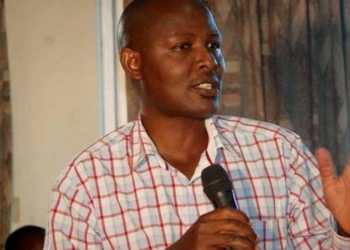
Luciano Awio, the chairperson of Okanyo-Can LRA Victims Association and a resident of Abyenek Village, said survivors of the 2003 attack, continue to live with psychological scars while the destruction caused by the war also interrupted education and livelihoods, leaving the community economically disadvantaged.

The association has 197 registered members, including widows, widowers, orphans and child-headed households directly affected by the insurgency.
Awio, who also lost his brother, Abua Sylvester, in an LRA attack in Acan-Makkweri Village, appealed for psychosocial support, livelihood programs and assistance to families that lost relatives during the insurgency. “The suffering did not end when the guns fell silent. Many families are still living with the consequences of the war and need support to recover.”
He said survivors feel particularly disadvantaged because they have not benefited from programs supported through the ICC Trust Fund for Victims in northern Uganda.
Awio also called for justice for victims, saying survivors cannot fully heal while some of those responsible for atrocities remain at large. Thomas Obur, the LC3 Chairperson of Ayami Sub-county, confirmed that the affected survivors had petitioned his office seeking government intervention.
Obur said he had received their letter and would follow up with relevant authorities, noting that the effects of the insurgency remain visible through persistent trauma and social problems, including rising criminal activity in the community.
Meanwhile, Chris Ongom, the Executive Director of Uganda Victims Foundation, said the plight of the survivors reflects gaps in Uganda’s post-conflict justice system.
Ongom however, explained that many LRA victims are not covered by existing ICC interventions because the court’s Trust Fund for Victims is currently linked to cases before the ICC, particularly the case against former LRA commander Dominic Ongwen.
“So rest assured that you are not being ignored, all crimes are being treated the same. In other words, some of these other victims whose crimes has not yet been addressed even suffered more serious crimes than others or even at the same level.”
He said Uganda needs to strengthen its transitional justice framework to ensure victims outside the existing ICC cases are also recognized and supported.
Ongom urged the government to expedite the enactment and implementation of transitional justice legislation that would provide a framework for compensation and other forms of reparation for victims of the LRA conflict.
He also called for renewed efforts to apprehend LRA leader Joseph Kony, saying his arrest and surrender to the ICC could open another avenue for victims affected by crimes allegedly committed under his command to seek justice and reparations.
The ICC Trust Fund for Victims provides assistance to individuals and families affected by crimes within the court’s jurisdiction, including physical and psychological harm and property damage.
For the survivors in Ayami, however, compensation alone may not be enough. They say meaningful recovery will require sustained psychosocial care, livelihood support, education opportunities for affected families and recognition of communities that suffered during the conflict-URN. Give us feedback on this story through our email: kamwokyatimes@gmail.com