Local government leaders have backed the government’s intensified crackdown on corruption but warned that investigations, disciplinary action and prosecutions must be conducted within established laws and procedures to avoid unfairly targeting officials.
The Uganda Urban Authorities Association (UAAU) said corruption remains a serious problem in local governments and acknowledged that its members cannot claim to be entirely free from the vice. However, the association wants authorities to strengthen the existing accountability mechanisms rather than bypassing them in the rush to punish suspected offenders.
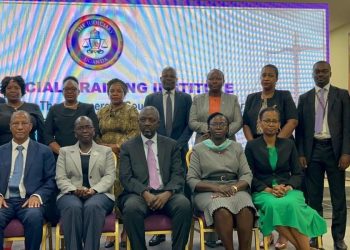
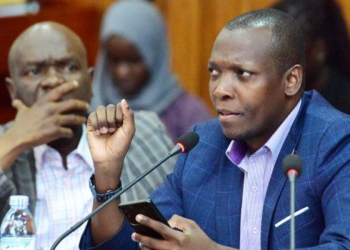
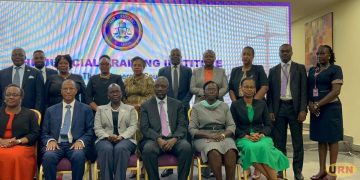
UAAU Secretary General Francis Barabanawe made the remarks during an interface with Parliament’s Government Assurance Committee chaired by Gweri County MP Herbert Edmund Ariko. Barabanawe said some members were concerned about the manner in which corruption cases were being handled, noting that Uganda already has institutions and laws mandated to investigate and prosecute corruption.

“We have got a number of integrity institutions in this country. We have got a number of laws,” Barabanawe said. He stressed that UAAU supports the government’s anti-corruption campaign but wants suspects to be subjected to proper investigations and due process before disciplinary or criminal action is taken.
“We have support for the fight against corruption,” he said, calling for what he described as a better way of handling corruption cases. The position comes amid a nationwide crackdown on corruption in local governments following President Yoweri Museveni’s directive to expose and eliminate graft.
The campaign, led by the Ministry of Local Government, has involved inspections of government projects and service-delivery facilities and resulted in disciplinary action against dozens of officials over alleged misuse of public resources, procurement irregularities, absenteeism and other administrative failures.
The call for due process also comes amid government efforts to ensure that the anti-corruption drive does not violate the rights of suspects. In early August, Vice President Jessica Alupo urged local government accountability operations to be conducted fairly, lawfully and with integrity, stressing that people should not be treated as guilty before investigations and legal processes are concluded.
The Ministry of Local Government has similarly said complaints arising from inspections will be referred to relevant authorities for investigation and that individuals implicated in wrongdoing will be accorded due process. Hoima City Clerk Edward Lwanga, who has served in local government for 33 years, said officials were ready to support the anti-corruption campaign but argued that preventive systems could help reduce opportunities for abuse of office.
He cited planning and building-control processes as an example, saying Hoima City had introduced a planning clinic where applicants and people facing technical challenges could receive assistance in a transparent setting. Lwanga said such systems can reduce opportunities for officials to solicit money from people seeking government services.
“If we come up with procedures that are fighting corruption, I think this is a vice,” he said, stressing the need to fight corruption. UAAU has previously identified structural weaknesses that can create opportunities for corruption, including inadequate funding, staffing gaps, limited operational resources, weak protection for whistle-blowers, delays in investigating complaints and weaknesses in physical planning systems.
However, MPs raised questions about whether existing accountability mechanisms are effective enough to deter corruption. Isingiro District Woman MP Lillian Ruteraho questioned the effectiveness of conventional accountability channels, drawing from her experience as a Resident District Commissioner.
Ruteraho said she once reported alleged corruption to the Inspectorate of Government but was disappointed by the subsequent response. She alleged that she was instead encouraged to reach an arrangement with the official she had reported. The legislator said such experiences can discourage public officials from reporting corruption through established channels.
Ruteraho also raised concerns about pension administration, alleging that some retirees struggle to access their benefits unless they pay officials. She further accused some local governments of deliberately leaving departmental positions vacant or under acting arrangements until preferred candidates can be appointed.
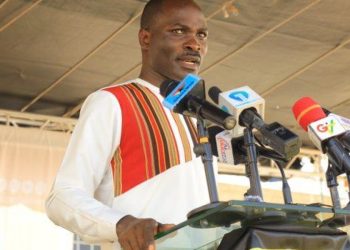
Mubende Municipality Mayor Innocent Ssekiziyivu said political leaders also face challenges in supervising technical officials because many newly elected leaders receive inadequate induction and orientation. He said some political leaders are expected to oversee experienced technical staff without having sufficient knowledge to interpret technical documents or scrutinise government programmes.
Ssekiziyivu called for stronger training and minimum standards for some local government leadership positions to improve political oversight. He also questioned instances where audit reports appear to show no major problems, only for subsequent investigations to uncover alleged corruption. The concerns come as Parliament and other accountability institutions continue to scrutinise the management of public resources in local governments.
The Inspectorate of Government has identified abuse of office, embezzlement, misappropriation of funds, causing financial loss, and bribery among corruption-related offences in local governments. Its January-June 2024 report recorded 308 corruption cases concluded by its regional offices, with some public officers recommended for administrative action and others for prosecution.
The local government leaders’ position therefore places emphasis on a two-pronged approach: strengthening the fight against corruption while ensuring that those accused are investigated and dealt with through lawful and transparent procedures-URN. Give us feedback on this story through our email: kamwokyatimes@gmail.com