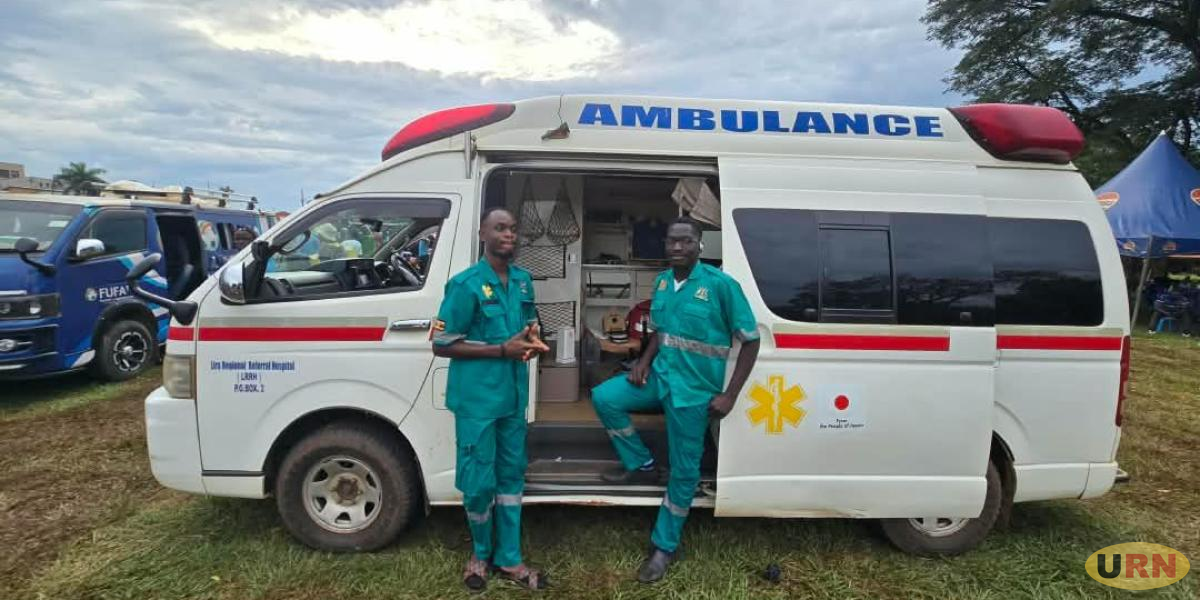
Health workers in Lango Sub-region have raised concern over the shortage of ambulances, saying the gap is undermining emergency response and referral services across the region.
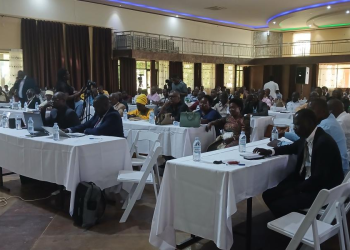
The concern was raised during the Lango Regional Health Assembly-Joint Review Meeting in Lira City, where health officials and local government representatives called for more ambulances to improve the transportation of critically ill patients.
In Lango, the ambulance shortage is particularly concerning because the 12 ambulances currently available are coordinated through the Regional Ambulance Dispatch Centre at Lira Regional Referral Hospital.

The ambulances serve nearly 100 health facilities across the region’s 10 administrative units, putting pressure on the available fleet and affecting timely referrals.
Dr. Andrew Odur, Senior Executive Consultant at Lira Regional Referral Hospital, said the region still needs more ambulances to effectively respond to emergencies and referrals.
Nicholas Akwanga, the Assistant Principal Assistant Secretary of Kwania District, said inadequate ambulance coverage is contributing to poor referral services in the district.
He cited the case of his district, which has only one ambulance attached to a Health Centre III, saying the situation makes it difficult to transport patients requiring higher-level care.
Patrick Ogwang Obura, Chairperson of the Lango Parliamentary Group and Oyam South Member of Parliament, welcomed the need for more ambulances but warned that procurement alone would not solve the referral challenges unless government also addresses operational costs, particularly fuel.
In his response, Dr. Charles Akiya Oyoo, the Commissioner for Non-Communicable Diseases at the Ministry of Health, announced government plans to procure 50 Type B ambulances and two Type C specialized ambulances at a cost of about 20 billion shillings in the 2026/27 financial year.
The procurement is part of government efforts to bridge the country’s ambulance deficit and strengthen emergency response and patient referral services.
Dr. Akiya said four additional ambulances for Sironko, Moyo and Kisoro districts will also be procured through the Ministry of Works and Transport under road construction projects.
According to Akiya, Uganda requires 550 standard vehicle ambulances between the 2025/26 and 2030/31 financial years. However, by June 2026, only 296 ambulances were available, leaving a deficit of 254.
The shortage includes a gap of 163 ambulances at constituency level, another 91 for referral hospitals and other entities, while 11 districts reportedly have no standard Type B or Type C ambulance. Akiya said the new ambulances will be distributed to areas with the greatest gaps-URN. Give us feedback on this story through our email: kamwokyatimes@gmail.com