She accused foreign investors, including Chinese and Indian companies, of dominating the mineral industry without meaningful partnerships with local communities. Adupa’s concerns reflect growing calls for affirmative action that would enable Karamoja to benefit directly from its natural resources while addressing persistent food insecurity and underdevelopment.
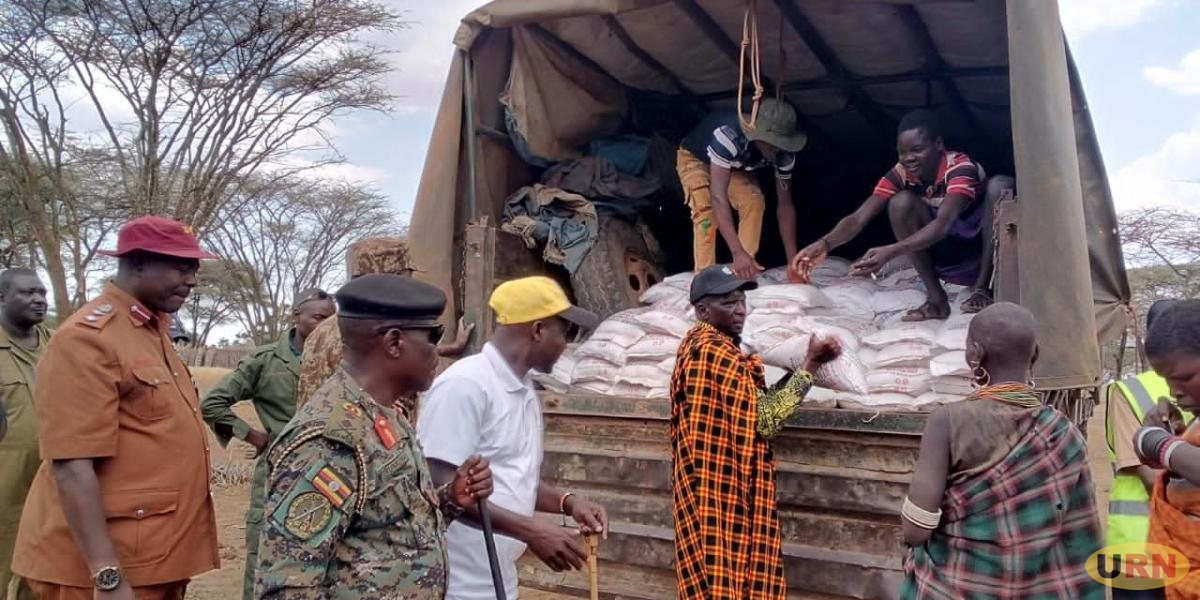
In Rupa Sub-county, where leaders say residents have not recorded a successful harvest in six years, LC3 Chairperson Joseph Otita described the situation as a struggle for survival. “From the time we got independence, we still register deaths caused by hunger. In Rupa, it is now six years that we have not harvested. People are just battling for life,” Otita said. Otita acknowledged the government’s recent allocation of 45 billion Shillings for food relief announced by President Yoweri Museveni but said the quantities distributed are insufficient for many households.
He said each household receives 10 kilogrammes of beans and 20 kilogrammes of maize flour, commonly known as posho, which he argued cannot sustain large families for long. Otita also criticised the distribution model, saying it fails to account for the unique conditions in Karamoja, where prolonged drought and unreliable rainfall have undermined food production.

The food crisis has coincided with a collapse of the pastoral economy. Leaders say severe drought has dried up valley dams, forcing authorities to truck water into affected communities using emergency water tanks. Livestock deaths have increased, while the value of surviving animals has fallen, further undermining household incomes in a region where many families depend on livestock for their livelihoods.
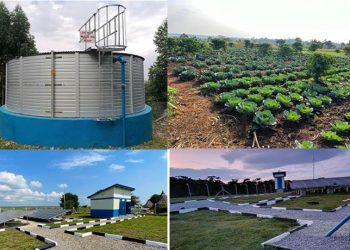
Otita called for a shift from emergency responses to sustained investment in water infrastructure, food production and livelihood protection. “The government’s reactive approach of waiting for people to die before writing reports and allocating emergency resources must stop,” he said. Sophie Nangiro, an opinion leader in Moroto District, said Karamoja has relied on food relief for years without lasting solutions to recurring hunger.
She argued that addressing food insecurity is essential to the region’s economic development and called for local communities to benefit more from the minerals extracted from their land. “It’s economic ownership and food security. We talk about making our own decisions, but can we call ourselves independent when the wealth beneath our feet belongs to someone else?” Nangiro asked.
The concerns come amid government plans to stabilise food production in the region. On September 9, 2026, while officiating at the 11th edition of the Karamoja Cultural Event at Naitakwae Grounds in Moroto District, President Museveni unveiled a three-phase food stabilisation strategy for the region.
The strategy is expected to support communities with agricultural seed varieties and livestock suited to Karamoja’s climatic conditions through short-, medium- and long-term interventions. However, regional leaders say the strategy needs dedicated, ring-fenced funding and clear implementation timelines to deliver lasting results.
They want the government to prioritise investments in water infrastructure, climate-resilient agriculture, livestock recovery, and local participation in the mineral industry, arguing that emergency food distributions alone cannot reverse the region’s persistent poverty and food insecurity-URN. Give us feedback on this story through our email: kamwokyatimes@gmail.com