Kabale District has recorded a total of 2,787 teenage pregnancy cases in 2025 and between January and September 2026, according to the District Senior Probation and Welfare Officer, Monica Muhumuza Nzeirwe.
Muhumuza says 1,520 girls aged between 15 and 19 became pregnant in 2025, while five cases involved girls aged between 13 and 15. She says that between January and September 2026, the district recorded another 1,260 cases among girls aged 15 to 19, as well as two cases involving girls aged between 13 and 15.
The figures are higher than those recorded between July 2023 and June 2024, when the district registered 1,396 teenage pregnancy cases among girls aged 15 to 19. Muhumuza says the increasing number of teenage pregnancies is a major concern, warning that the figures could rise further by the end of 2026 and during January and February 2027.

Muhumuza says the high number of teenage pregnancies has contributed to an increase in school dropouts among girls, child abandonment and teenage mothers undergoing caesarean sections because their bodies are not sufficiently mature for childbirth. She says her office registers an average of 20 cases of child abandonment every quarter, mainly involving teenage mothers who become pregnant but are unable to care for their babies.
Muhumuza attributes the persistent cases of teenage pregnancy to what she describes as inadequate parental guidance, saying some parents do not adequately educate their children about the dangers of premarital sex. She encourages parents to build strong relationships with their children and understand the challenges they face.
Muhumuza also says some teenage girls are lured into sexual relationships by men who offer them money, mobile phones and other gifts.
She calls for stronger enforcement of laws against people who sexually abuse and impregnate underage girls, saying perpetrators should face severe punishment.
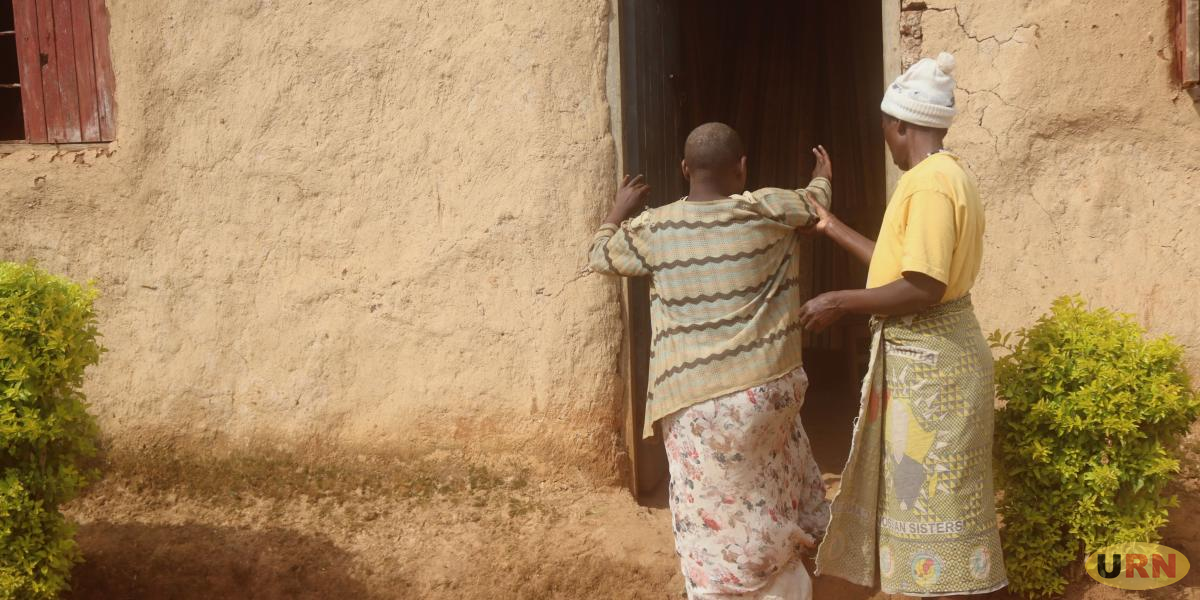
One of the victims is 19-year-old daughter of Provia Tukamuheebwa, 58, a resident of Butare Village, Kitumba Parish, Kitumba Sub-county in Ndorwa West County. Tukamuheebwa says her daughter developed a mental impairment at the age of one and a half years, which left her unable to walk, feed herself, speak or perform basic daily activities.
She says her daughter’s condition improved slightly over the years, allowing her to walk short distances and feed herself, but she never regained her speech or full mental capacity. Tukamuheebwa, a widow, says that in June 2025, while she was working in a garden to earn a living, she was informed that her daughter had allegedly been defiled in a nearby sorghum garden.
She says she immediately rushed to the scene with other residents, but they were unable to identify or apprehend the suspected perpetrator. Several months later, Tukamuheebwa says her daughter began showing signs of pregnancy. She took her to Our Lady of Good Health Rushoroza Hospital, where medical examinations confirmed that she was pregnant.
The victim carried the pregnancy to full term and gave birth to a baby girl on April 14, 2026. However, Tukamuheebwa says her daughter’s condition worsened after delivery because she was unable to breastfeed the baby. Health workers advised her to feed the infant on cow milk to keep the baby alive.
Tukamuheebwa says what pains her most is that the man who allegedly defiled and impregnated her daughter has never been identified. She says she is now burdened with raising her granddaughter while also caring for her daughter and seven other children.
As a widow, Tukamuheebwa says her only source of income is casual labor, from which she earns about 5,000 shillings per day during the dry season and 7,000 shillings during the rainy season, whenever work is available. She says the income is irregular and insufficient to buy milk for the baby while also meeting the educational and household needs of the other children under her care.
Alfred Besigensi, Kabale District Health Educator admits that teenage pregnancy remains a major concern in the district, with the prevalence currently estimated at between 13 and 15 percent.
Besigensi says teenage mothers face a higher risk of pregnancy-related complications because their bodies may not yet be fully developed for childbirth. He also says some teenagers are at risk of contracting HIV and other sexually transmitted infections as they tend to engage in unprotected sex.
Besigensi calls on parents, community leaders and other stakeholders to intensify sensitisation of teenagers about the importance of education and the dangers of early sexual activity. He also says teenage mothers and other victims need counselling and psychosocial support-URN. Give us feedback on this story through our email: kamwokyatimes@gmail.com