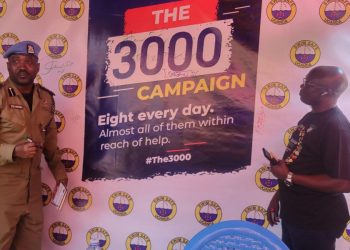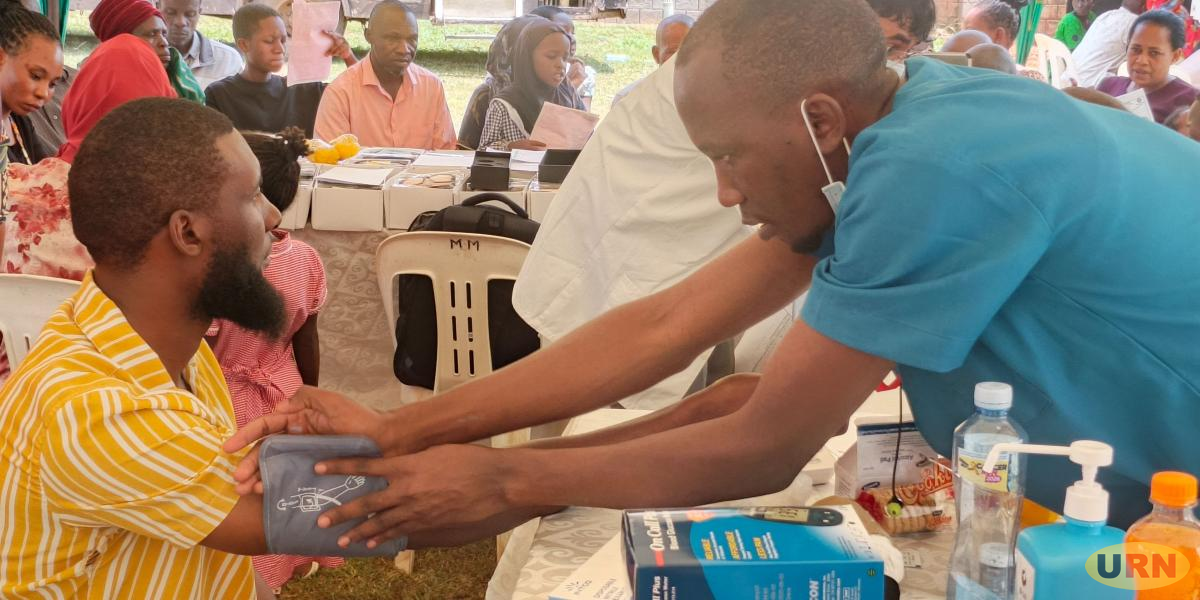
A free health camp in Mbale City has detected cases of cancer, hypertension and diabetes among residents who were previously unaware that they had the conditions, prompting health workers to call for increased routine screening.
The two-day camp, funded by the Aga Khan Hospital, opened on Saturday at the Ismaili Jamaat Khana residence in Mbale.
By Saturday afternoon, about 2,000 residents had been screened for hypertension, diabetes, HIV, eye diseases and cancers, including cervical and breast cancer.

Diana Namubiru Ssewanyana, the Manager of Operations and Business Development at Aga Khan University Hospitals Uganda, said hypertension was the most common condition identified during the initial screening.
“Predominantly, what we are seeing is high blood pressure. Many of the people are having what we call non-communicable diseases,” Ssewanyana said.
She said the medical team had also identified cases requiring further assessment, including diabetes, cervical, throat and thyroid cancers, as well as breast masses.
Some men also returned positive prostate-specific antigen (PSA) test results, which can indicate a possible risk of prostate cancer and require further medical evaluation.
Ssewanyana said the findings were concerning because some of the residents with abnormal results did not know their conditions.
She urged members of the public to make routine health screening part of their regular healthcare, especially for non-communicable diseases that can remain undetected for long periods as they grow.
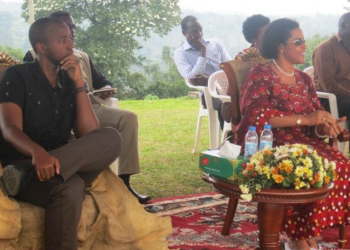
Sarfaraz Jiwani, Vice President of the Ismaili Council for Uganda, said the camp was organised under the Ismaili Civic Society programme in partnership with Aga Khan University Hospital Uganda. He said the programme seeks to support communities through health services and other social interventions.
Jiwani said the decision to hold the camp in Mbale was intended to extend the initiative beyond Kampala. “We said that this time we should reach outside wider Kampala rather than doing it in Kampala,” he explained. Residents welcomed the initiative, saying the free screening had enabled people who might otherwise delay seeking medical attention to access health services.
Wanda George, a Mbale resident, said the cost of consultations and medical tests often prevents people from seeking timely care. The health workers said early detection remains important in managing conditions such as hypertension, diabetes and cancer, and urged residents to seek medical attention when screening reveals abnormalities-URN. Give us feedback on this story through our email: kamwokyatimes@gmail.com