Four people acquire HIV every hour in Uganda, according to data presented by the Uganda AIDS Commission (UAC). Brian Masimbi, a Principal Statistician at UAC, said the country recorded about 34,400 new HIV infections in 2025, translating to an average of four new infections every hour or 662 every week.
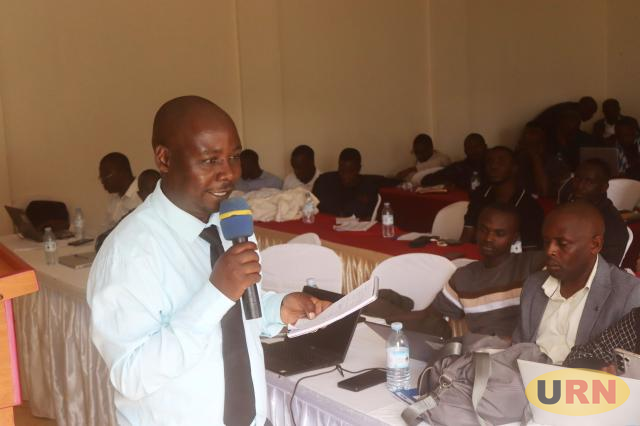
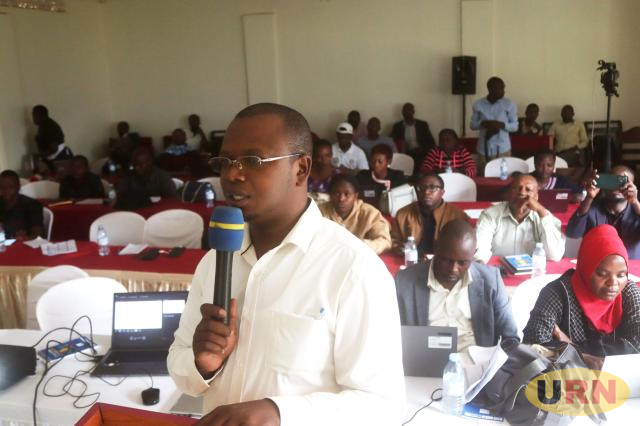
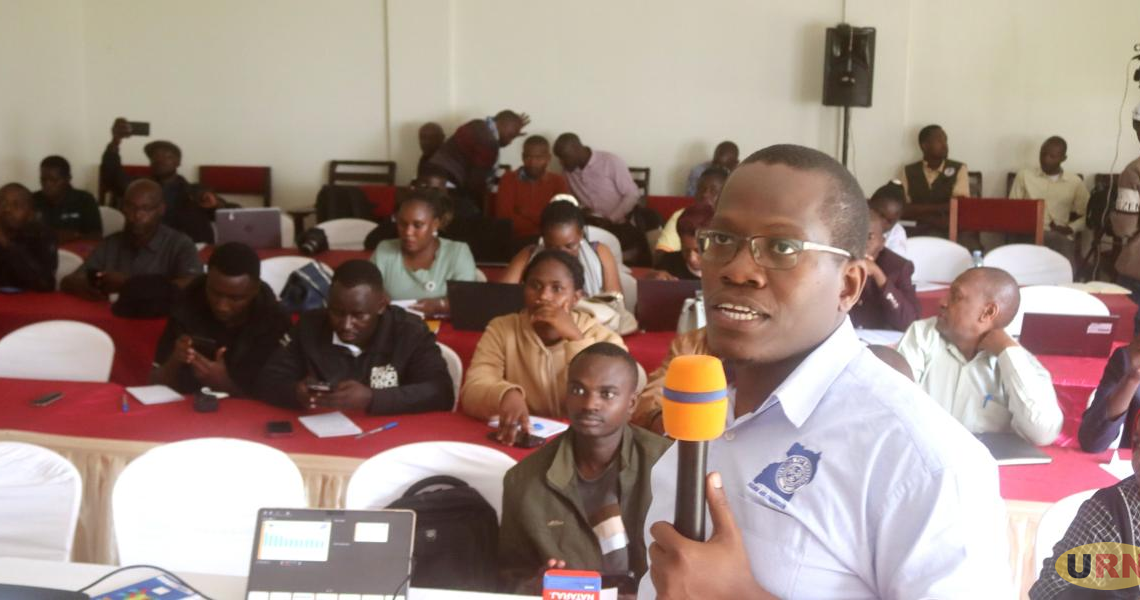
Masimbi was speaking on Wednesday during a capacity-building and dissemination workshop on HIV prevention communication for media practitioners and district communication officers in the Kigezi region. The workshop was held at Riverside Hotel in Rukungiri Municipality.
He said the figures are contained in a 2025 UAC study, which estimates that about 1.55 million people are living with HIV in Uganda, including 980,000 women, 569,000 men and 71,000 children. The study also estimates that about 19,000 people die annually from HIV/AIDS-related illnesses, equivalent to about 54 deaths every day or 384 every week.

Masimbi said men account for more HIV/AIDS-related deaths than women, while young people account for 40 percent of new HIV infections. He said young women account for about 80 percent of new infections among young people. Uganda’s HIV prevalence was put at 4.9 percent in the 2025 records presented during the workshop.
In the Kigezi region, Rukungiri has the highest reported prevalence at 8.1 percent, followed by Kanungu at six percent and Kabale at five percent. Rukiga stands at 4.3 percent, Rubanda at 2.6 percent and Kisoro at two percent. Masimbi attributed continued HIV transmission to a range of behavioural and social factors, including multiple sexual partnerships, discordance and non-disclosure of HIV status, transactional sex, low condom use, alcohol and drug abuse and complacency associated with access to antiretroviral therapy.
He also cited poverty, wealth disparities and gender inequality among factors contributing to the continued spread of HIV. Alex Byakatonda, the Kabale District Communications Officer, said the district had 18,848 people living with HIV in 2024, with 154 new cases recorded between October and December that year.
He said 9,859 people living with HIV in the district were receiving antiretroviral therapy, while 75 people died from HIV-related illnesses during the year. Byakatonda added that Kabale recorded 653 new HIV cases during the 2025/2026 financial year, with Southern Division registering the highest number at 194 cases, followed by Central Division with 176.
He said 64 people died from HIV-related illnesses in the district between July 2025 and June 2026. Rebecca Koshaba, the Rukungiri District Information Officer, said 17,833 people were living with HIV in the district based on data compiled during the 2025/2026 financial year. Koshaba, however, reported that 20,209 people were receiving antiretroviral therapy, a figure higher than the number she gave for people living with HIV.
Maurice Kemigyisha, the Rukungiri Municipality Information Officer, said 10,148 people were currently living with HIV in the municipality. Sulait Makka Turyamureeba, the Rukungiri Municipality Deputy Town Clerk, expressed concern over the reported 8.1 percent HIV prevalence in Rukungiri and called for interventions to reduce new infections and HIV-related deaths.
Dr Davis Ahabwe, the Principal Medical Officer for Rukungiri Municipality, attributed the relatively high figures partly to people from other parts of the region travelling to Rukungiri to test for HIV and access antiretroviral therapy while seeking to keep their status confidential in their home areas.
One point worth checking before publication: the Rukungiri figure of 17,833 people living with HIV versus 20,209 on ART needs clarification, since the latter is higher than the reported number living with HIV-URN. Give us feedback on this story through our email: kamwokyatimes@gmail.com