The Electoral Commission has ordered repeat polling in dozens of villages where the outcome of the July 28 Local Council 1 (LC1) elections was challenged, opening a fresh electoral process at Uganda’s most grassroots level of governance.
The repeat polls are scheduled to be conducted in batches beginning October 15 and October 19, 2026, as the Commission continues to examine complaints arising from the nationwide LC1 elections.
The Commission’s decision follows petitions and complaints from several villages disputing the results announced after the July 28 vote.

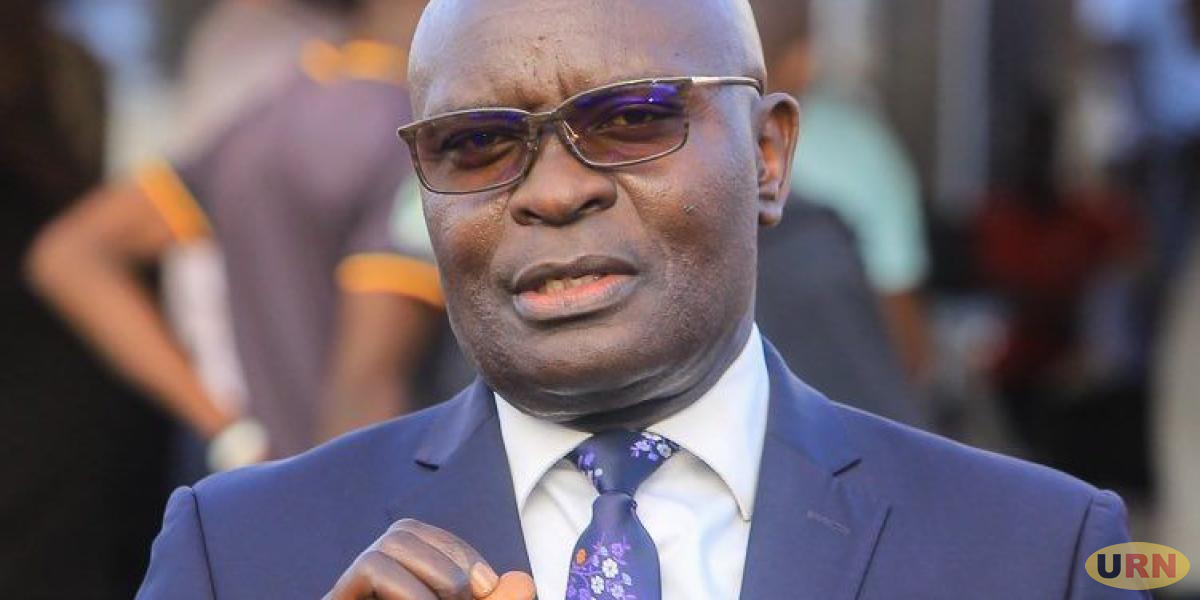
In a statement, Electoral Commission Chairperson Justice Simon Byabakama Mugenyi said the Commission was exercising its constitutional mandate to ascertain the results in villages where outcomes had been challenged.
“In accordance with Article 61(1)(d) of the Constitution of the Republic of Uganda, the Electoral Commission has been exercising its mandate to ascertain the results arising from the elections in those reported villages where the outcome was challenged,” Byabakama said.
He added that the Commission was still examining other complaints and would communicate its decisions in due course.
The Constitution assigns the Electoral Commission responsibility for ensuring regular, free and fair elections, organising and supervising elections, and “ascertain[ing], publish[ing] and declar[ing]” election results. It also gives the Commission the responsibility to hear and determine election complaints arising before and during polling.
The latest decision therefore puts renewed attention on the Commission’s role in resolving disputes before the electoral process moves to subsequent stages. The affected contests involve LC1 chairpersons, whose elections took place across Uganda on July 28.
The LC1 election is conducted at village level and forms the foundation of Uganda’s local government structure. The positions may appear distant from the national political contest, but village councils are the first point of contact between many citizens and the local government system.
The Electoral Commission said polling on July 28 was successfully conducted in 70,079 of Uganda’s 71,214 villages, representing a reported 98.4 percent completion rate.
The repeat elections will therefore address a relatively small portion of the overall exercise while requiring the Commission to revisit contested outcomes and ensure the affected villages complete the electoral process.
Byabakama revealed that there are 54 specific affected administrative units requiring repeat local council elections across multiple regions.
The October 15, 2026, batch features 40 villages across regions such as Albertine (Kagadi), Central North (Kayunga), Central South (Lwengo), Kampala (including central urban areas like Bukesa, Civic Centre, and Kisenyi II), Mukono, Wakiso, and Kiira (Iganga, Mayuge).
Meanwhile the October 19, focuses on the remaining 14 locations including deep urban segments of Wakiso (Kyengera, Nabweru, Masajja), Mukono, Jinja City (Kaitabawala), and Southwest (Isingiro).
The Commission’s own election programme provides that village LC1 elections are conducted under the applicable constitutional and electoral framework, with polling for LC1 chairpersons held at village level.
The repeat polls also provide a test of how efficiently electoral disputes can be identified, investigated and resolved at the grassroots.
Under Article 62 of the Constitution, the Electoral Commission is independent and, in performing its constitutional functions, is not subject to the direction or control of any person or authority.
That independence places the burden on the Commission to demonstrate that decisions affecting disputed results are based on established electoral procedures and are communicated clearly to candidates, voters and other stakeholders.
The Commission has also warned against violence or disruption during the repeat and residual elections, urging stakeholders to conduct themselves peacefully and in accordance with electoral laws and its guidelines.
LC1 councils constitute the entry point into Uganda’s local governance architecture, making the credibility of their elections important to public confidence in local representation and administration-URN. Give us feedback on this story through our email: kamwokyatimes@gmail.com