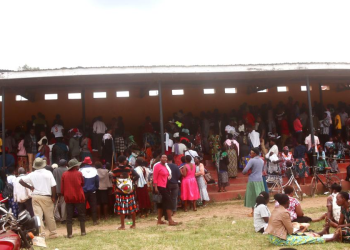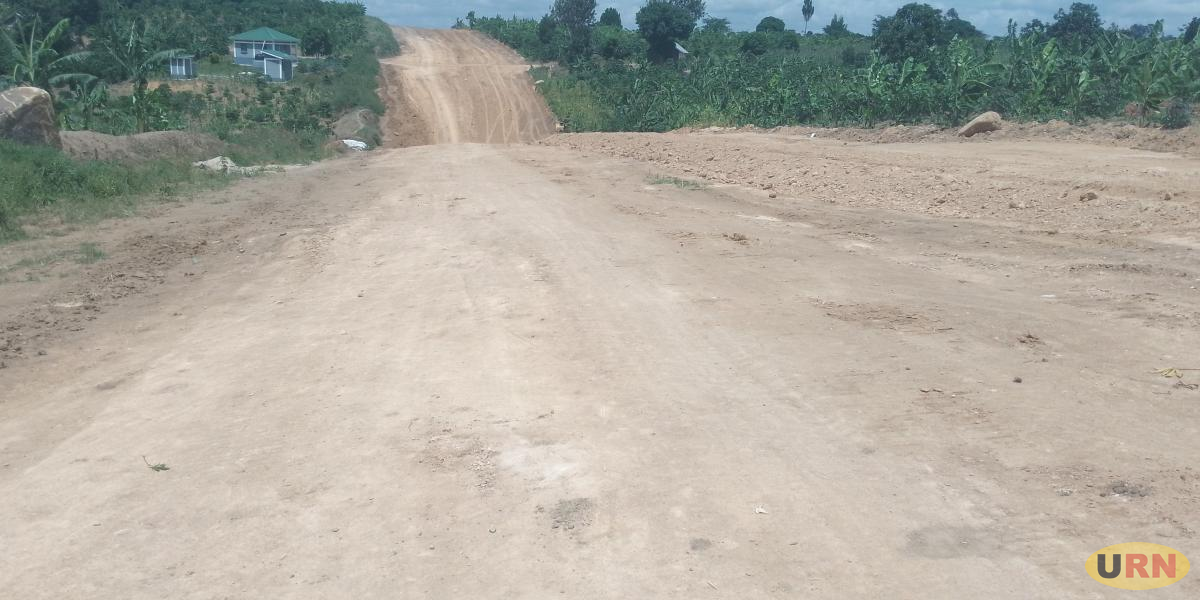

At least 30 people living within the demarcated route of the East African Crude Oil Pipeline (EACOP) project in different parts of Lwengo, Kyotera, and Rakai districts are seeking a retrial of a compensation case instituted against them by the government, alleging judicial misconduct.
The defiant Project Affected Persons (PAPs) argue that the Masaka High Court did not grant them an opportunity for a fair hearing before granting the government orders for compulsory acquisition of land and eviction of resistant communities.
In September last year, the Masaka High Court Judge, Victoria Nakintu Katamba, granted an application by the Attorney General that sought orders to evict 41 Project Affected Persons (PAPs), who were still hesitant to vacate the demarcated oil pipeline route after they rejected compensation for their properties.

The judge upheld an earlier ruling that granted the government leave for compulsory acquisition of land against a section of project-affected persons who declined to give way for the project to progress.
Despite the judgments and eviction, the project-affected persons are now demanding that the court grant them a second chance and allow a retrial of their case, as a way of dispensing fairness.
Gonzaga Kyakulumbye, one of the project-affected persons in Kakuuto sub-county, Kyotera district, argues that they have not received the fairness they expected from the courts of law.
He indicates that in both applications by the Attorney General, the project-affected persons were not allowed enough time to prepare and file their responses, in which they would raise their grievances, only for the judge to deliver rulings against them. Kyalumbye says they have decided to petition the Chief Inspector of Courts, appealing for another judge who can conduct a retrial of the case with neutrality.
According to him, before the last application by the Attorney General, they had jointly applied for a stay of execution and an interim order against the decision of former Masaka High Court Judge Lawrence Tweyanze, which allowed the government to deposit the compensation money with the court, but to their disappointment, their applications have remained pending for over a year.
Lahairuh Lunkuse, a resident of Kituntu village in Kyotera district, bemoans that despite eviction from her land to pave a way for the project, she has not yet received her compensation.
She says that they expected the court to listen to their plights and order a reevaluation of their properties for fair compensation, but to their dismay, they were instead treated to harassment and blackmail for sabotaging a government project.
Hassan Kabunumbuli, another project-affected person in Lwengo district, insists that despite their eviction, they still have a right to be heard before a fair judge. He says that on several occasions, their case files would be missing or be adjourned to unfavourable return dates, which he describes as deliberate plots by unscrupulous individuals to frustrate the project-affected persons from pursuing justice.
Fatumah Nabira Naluzinga, one of the lawyers representing the project-affected persons, confirms that her clients are disappointed by the way the judiciary has handled their compensation grievances. She is, however, still optimistic that they can get the much-needed justice if they sustain the pursuit.
Notably, the government and partners through the East African Crude Oil Pipeline Company (EACOP) Limited undertook to construct a 30-meter-wide and 1,443-kilometre-long pipeline to transport Uganda’s crude oil from Hoima to the Chongoleani peninsula in Tanzania for export to the international market. The company indicates that the construction works are almost complete-URN. Give us feedback on this story through our email: kamwokyatimes@gmail.com