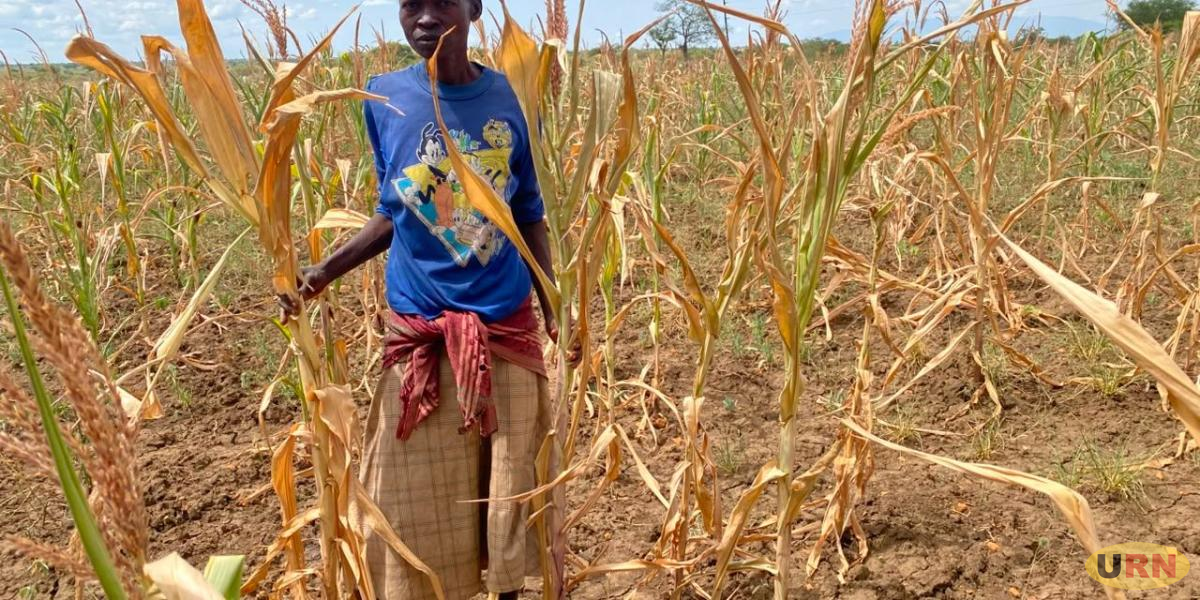
Residents of Napak District are appealing to the government for urgent food relief and quick-maturing seeds after a prolonged dry spell destroyed gardens across the district, leaving thousands of households facing severe food insecurity. The dry spell, which began in May, has affected more than 35,000 acres of crops in both the dry and green belt areas, wiping out maize, sorghum, sunflower, and other staple crops that had been planted during the first season.
Farmers say the failure of rains has left families without food after investing heavily in agriculture, with many now unable to recover loans taken for land preparation, seeds, and tractor services. Zakary Longoli, a farmer in Nachale Village, Lorengecora Sub-county, said he lost all his crops after spending nearly one million shillings on cultivation. “I used close to a million shillings to open up farmland using a tractor, buy seeds, and weed, but unfortunately, all the effort is gone to waste,” Longoli said.
He appealed for food aid and drought-tolerant seeds to enable farmers to replant once the rains return. Other residents warned that the situation could worsen into broader social problems if not addressed urgently. Philip Abura, a farmer in Napak Town Council, said households have nothing left to eat and warned that desperation could trigger migration and social tensions.“He warned that food insecurity could escalate migration to the Teso sub-region in search of food and could fuel gender-based violence over food provision.”

Paulina Abura said her family has been left without food after all her crops were destroyed by drought, while Pascal Amuge said her maize was damaged just weeks before harvest. Local leaders say the crisis has affected nearly the entire district’s farming population.Jacob Lochoro, LC3 Chairperson of Napak Town Council, said farmers planted early due to the onset of rains in February, but the rains stopped abruptly in May.
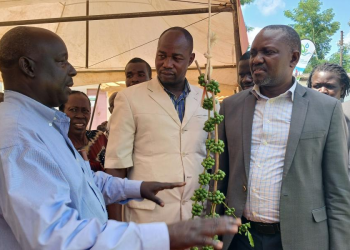
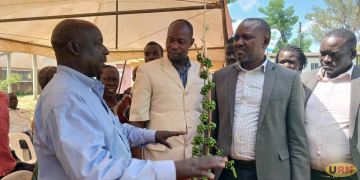
Agriculture officials estimate that over 33,000 households, representing nearly 80 percent of the district population, are affected. Abraham Nangiro, the Napak District Agricultural Officer, said both the dry and green belt zones have been severely hit, including Lorengecora Sub-county, which previously supplied food to neighbouring districts.
He called for urgent government intervention with food assistance and distribution of quick-maturing crops to support a second planting season. Simon Peter Lodungokol, the District Production Officer, said this year’s dry spell has been more severe than previous seasons, noting that even water sources for livestock are drying up.
Meteorological authorities indicate that rains are expected to return in mid-June with intermittent showers through August, though the region typically experiences a break in rainfall between June and July. Authorities have urged communities to prepare for climate variability while reinforcing calls for immediate relief support to avert worsening hunger in the district-URN. Give us feedback on this story through our email: kamwokyatimes@gmail.com