 By KT Reporter
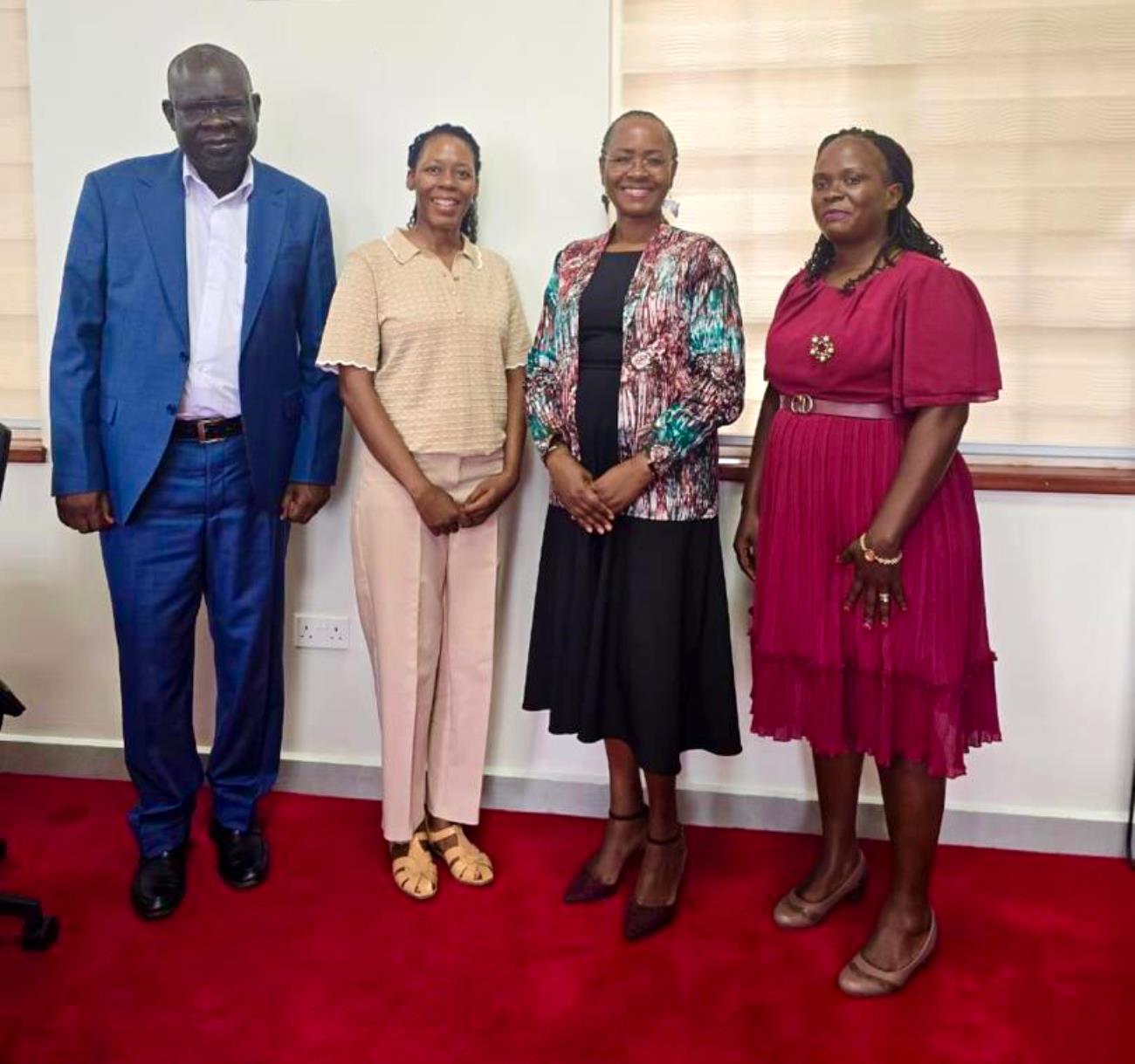
On 13th April 2026, Prof. Sarah Ssali, the Deputy Vice Chancellor (Academic Affairs) of Makerere University, hosted Dr. Sizile Makola, a Visiting Scholar and Senior Lecturer from the University of South Africa (UNISA).
Makerere University and the University of South Africa committed to partnership and collaboration through a signed Memorandum of Understanding (MoU). Consequently, Dr. Makola, a researcher and an expert in human resource and business management is scheduled to spend two weeks at Makerere University, interacting with the leadership at different levels, researchers, students, as well as staff in the Department of Marketing and Management, School of Business under the College of Business and Management Sciences (CoBAMS).

Additionally, the visit accords Dr. Makola the golden opportunity to finalise her comparative studies with members of staff from the Department of Marketing and Management on behalf of Makerere University for the Ugandan context.
The meeting between the Deputy Vice Chancellor (Academic Affairs) and Dr. Sizile Makola was attended by Associate Professor Godfrey Akileng-the Dean, School of Business, and Ms. Agnes Sansa from the Department of Marketing and Management.
Welcoming the Visiting Scholar, the Deputy Vice Chancellor (Academic Affairs) urged Dr. Makola to solidify the Memorandum of Understanding (MoU) between both universities through academic exchanges and deepening scholarship on African-centred leadership.
Prof. Ssali shared a brief trajectory that has shaped Uganda’s workspace. She mentioned the critical role of three pillars that have fundamentally influenced the human resource development landscape in Uganda namely: Cultural practices, Structural Adjustment Programs (SAP), and Spirituality/Religion. She also acknowledged the distinct historical differences between Uganda and South Africa.
Dr. Makola’s discussion with the Deputy Vice Chancellor (Academic Affairs) also featured the ongoing comparative study that Dr. Sizile Makola and Ms. Agnes Sansa are conducting in relation to how organizational and human resource management conditions shape the recognition and conversion of women leadership resilience in Uganda and South Africa.
The study is titled: Ubuntu/Obuntu Bulamu, Emotional Capital and Women’s Leadership Resilience: A Comparative Study Across Public and Private Sectors in South Africa and Uganda.
Impressed by the ongoing study, Prof. Ssali implored the visiting faculty-Dr. Sizile Makola to share with her the findings in due course.
Prof. Ssali expressed the readiness of the Office of the Deputy Vice Chancellor (Academic Affairs) to work with the different units within Makerere University, and the University of South Africa, to support programmes aimed at strengthening collaboration, partnership, research, and internationalization.
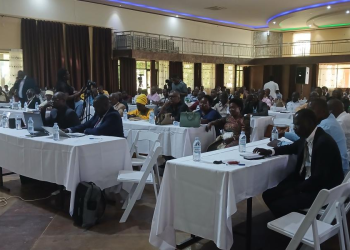
On 10th April 2026, Dr. Makola delivered a captivating guest lecture titled,Re-Imagining Human Resource Management in Africa, targeting undergraduate and postgraduate students pursuing human resource management courses at Makerere University.
Emphasizing the need to integrate indigenous knowledge and organizational practice, Dr. Makola argued that researchers should theorize from African contexts, treat indigenous knowledge as a source of theory, use methodologies capturing moral, communal, and context-bound dimensions of work, and build concepts from African languages, values, and institutional histories.
She stressed the need for African-centered human resource management thinking, rather than just adding local case studies to Western frameworks. Dr. Makola’s argument was informed by limitations of Western human resource management frameworks, which assume autonomous individuals, formal institutions, and technical organizations, which are separate from family and community.
Related articles:
Mak CoBAMS Hosts UNISA’s Dr. Sizile Makola
African Scholarship Must Theorize from Indigenous Knowledge to Build Contextually Grounded Leadership Systems,” Dr. Sizile Makola
-MAK NEWS. Give us feedback on this story through our email: kamwokyatimes@gmail.com