By KT Reporter
The Makerere University Careers Expo 2026 has successfully concluded, offering a wealth of opportunities to students from diverse academic backgrounds. Held from March 11–13, 2026, the three-day event climaxed under the theme “Connecting Potential to Purpose: Partnerships for Sustainable Impact.” It provided a dynamic platform for career guidance, job opportunities, entrepreneurship training, networking, innovation, and insights into evolving workplace dynamics.
Associate Professor Anthony Gidudu, Chairperson of the Organizing Committee, expressed gratitude to sponsors and participants for their support.

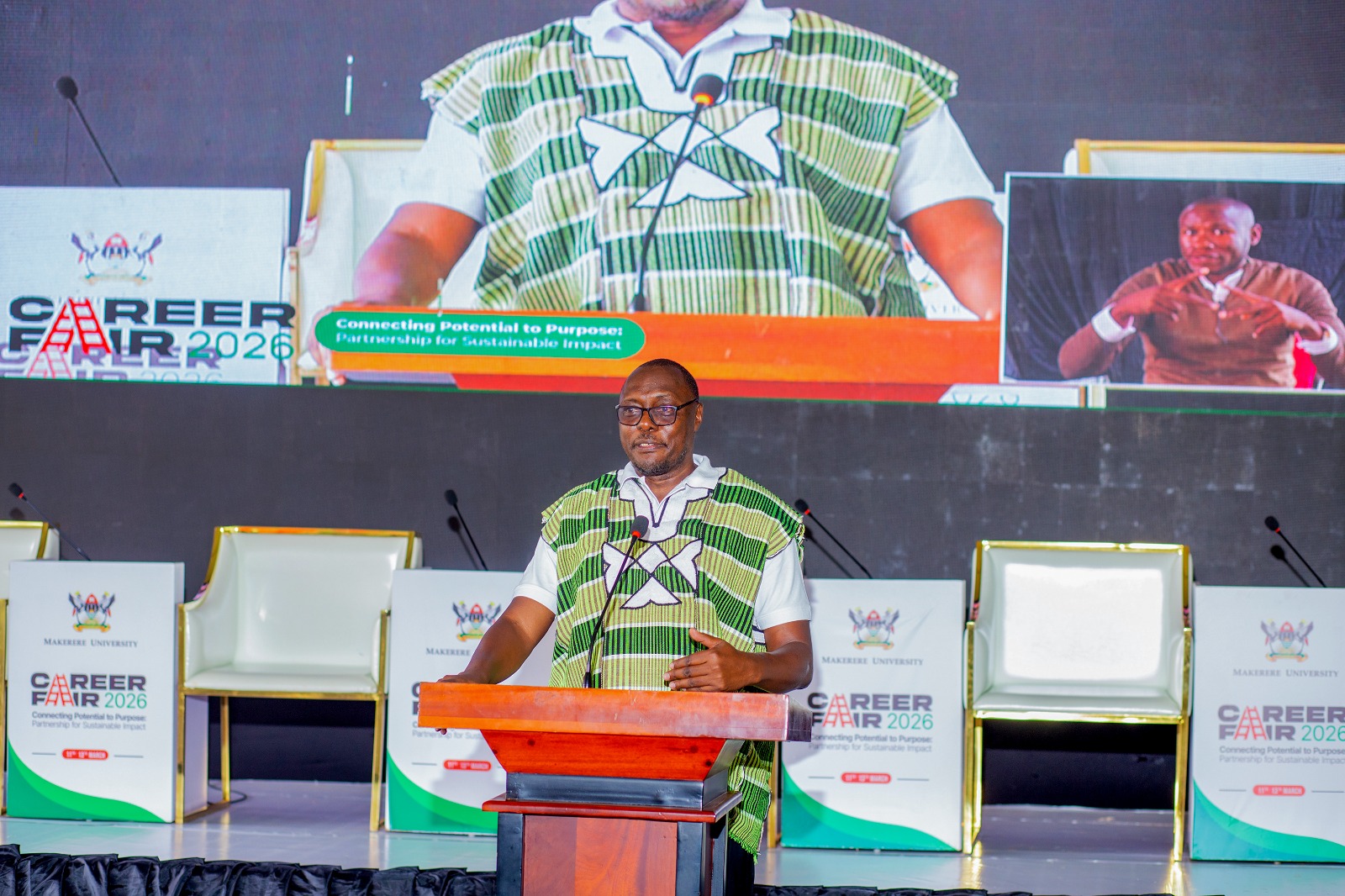
“Thank you, Makerere University, for entrusting me with this immense responsibility,” he said, acknowledging the collective effort behind the event’s success.
He encouraged students to fully utilize the opportunities presented at the expo. “Make the most of it,” he urged.
The expo attracted prominent partners, including the Parliament of Uganda and the Uganda Police Force, who offered valuable career insights and opportunities. Gidudu also welcomed Professor Buyinza Mukadasi, the Academic Registrar of Makerere University, recognizing his pivotal role in shaping students’ academic journeys.
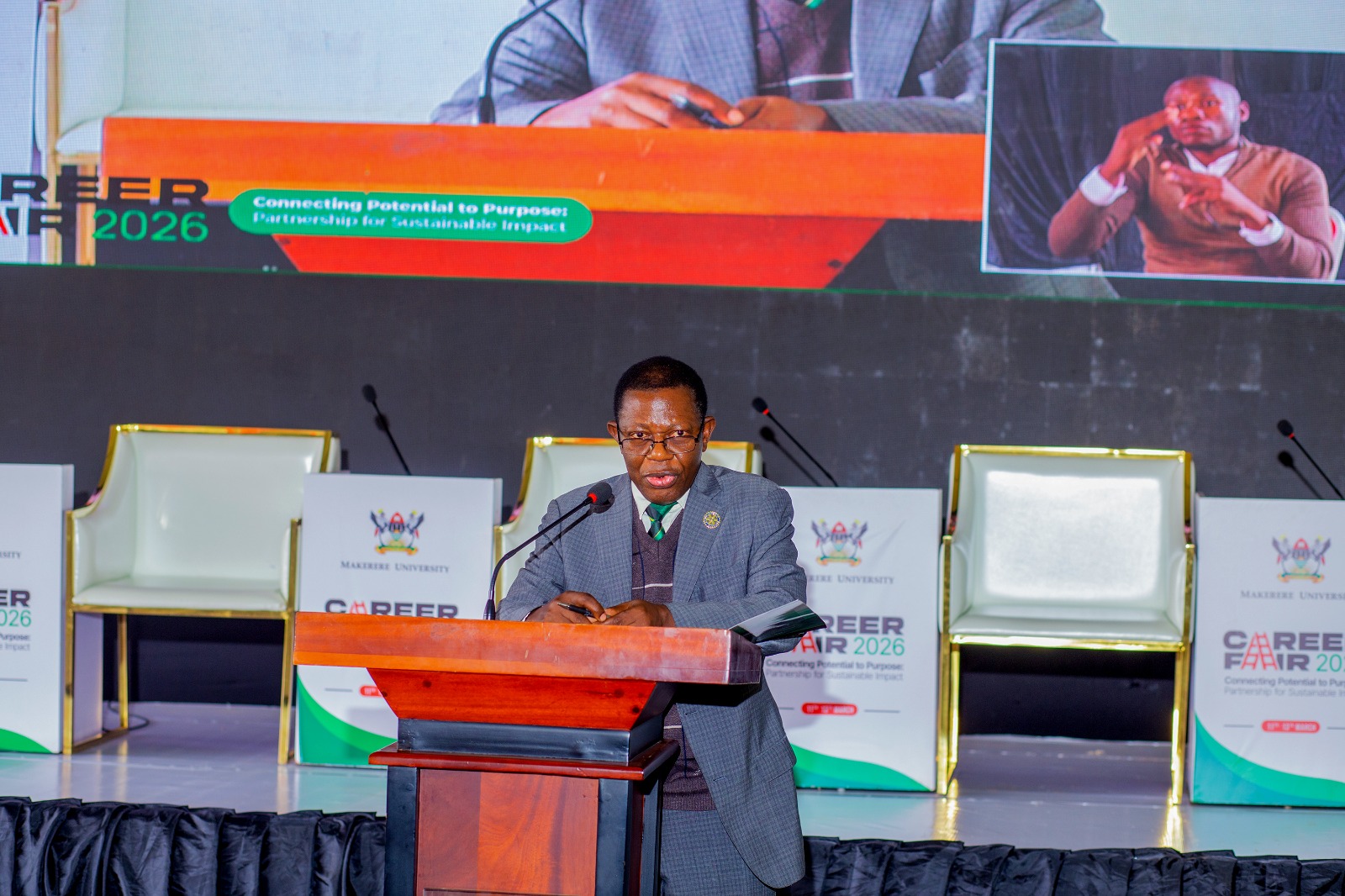
On behalf of the University, Professor Buyinza Mukadasi emphasized the significance of the Career Expo 2026.
“This event gives us a chance to support our students in transitioning from the academic world to the world of work,” he noted.
He commended the theme for underscoring the importance of aligning students’ abilities with purpose and societal contribution. Prof. Mukadasi also expressed appreciation to key partners, including the MasterCard Foundation, NSSF, and the Parliament of Uganda, as well as collaborators such as the Makerere University Advancement Office, Stanbic Bank, Old Mutual, DFCU Bank, Uganda Baati, and ABSA.

Reflecting on the role of technology, he noted that artificial intelligence enhances efficiency but does not replace human potential. He urged students to embrace lifelong learning, referencing the well-known assertion that “the illiterate of the 21st century will not be those who cannot read and write, but those who cannot learn, unlearn, and relearn.”
In his keynote address, Paul Rumanda Rugambwa, Head of Human Resources at the Infectious Diseases Institute, emphasized the importance of aligning potential with purpose.
“Potential is what you have, while purpose is what the world expects from you tomorrow,” he said.
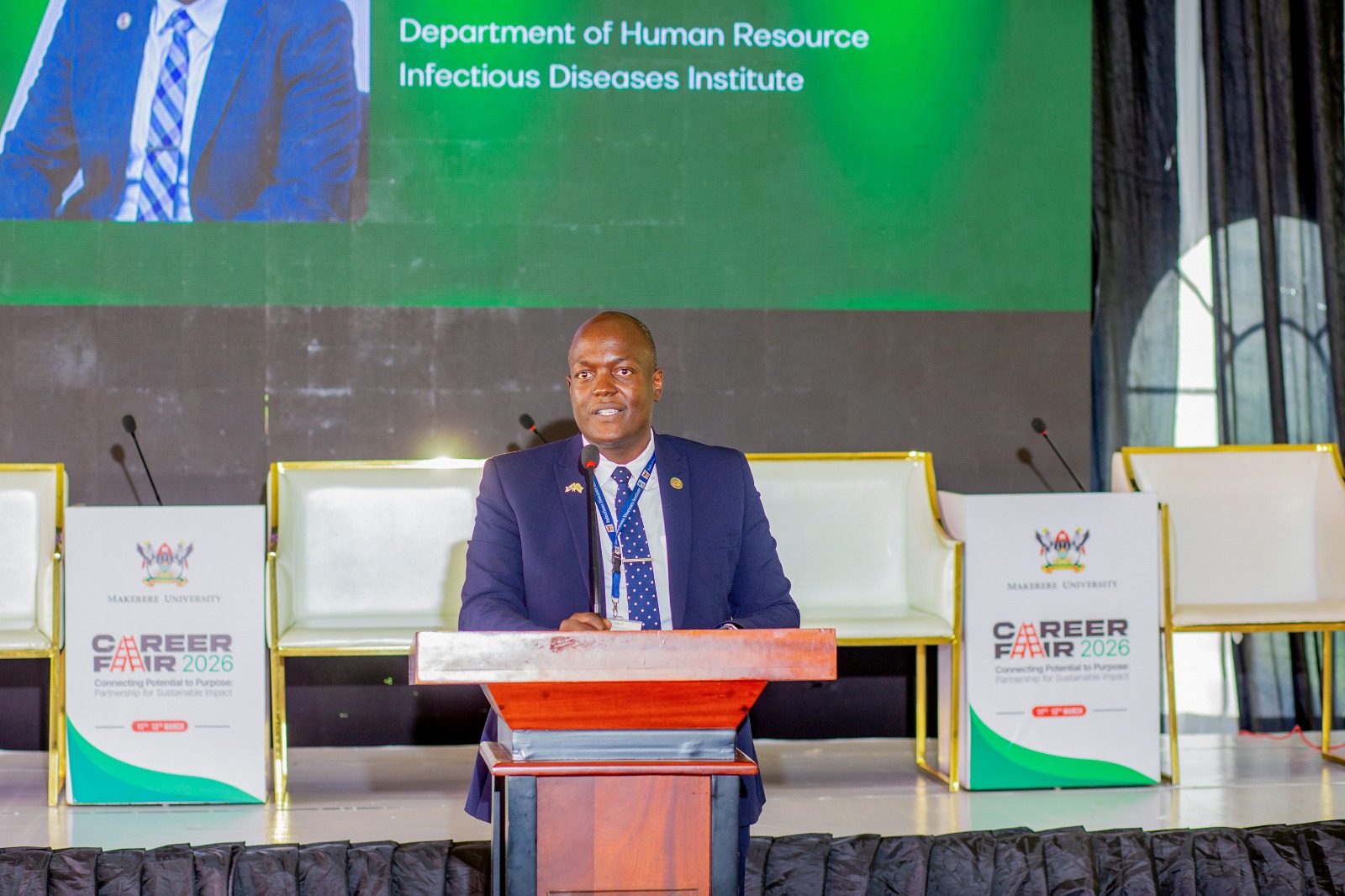
Rugambwa encouraged students to develop transferable skills, seek mentorship, and uphold integrity. He highlighted agility and digital literacy as essential competencies in today’s job market.
“It doesn’t matter what course you are pursuing, you must be digitally literate,” he emphasized.
He also urged students to view their peers as future collaborators, drawing inspiration from global success stories built on partnerships.

The closing session featured a panel discussion with representatives from various organizations who deliberated on key issues across multiple sectors.
Israel Arinaitwe, Head of Personal Banking at Stanbic Bank Uganda, highlighted the bank’s commitment to supporting youth entrepreneurship through targeted initiatives. He noted the availability of internship opportunities, skills training, and the Stanbic Business Incubator, which equips young people with practical business skills. He encouraged students to build financial discipline and relationships early.
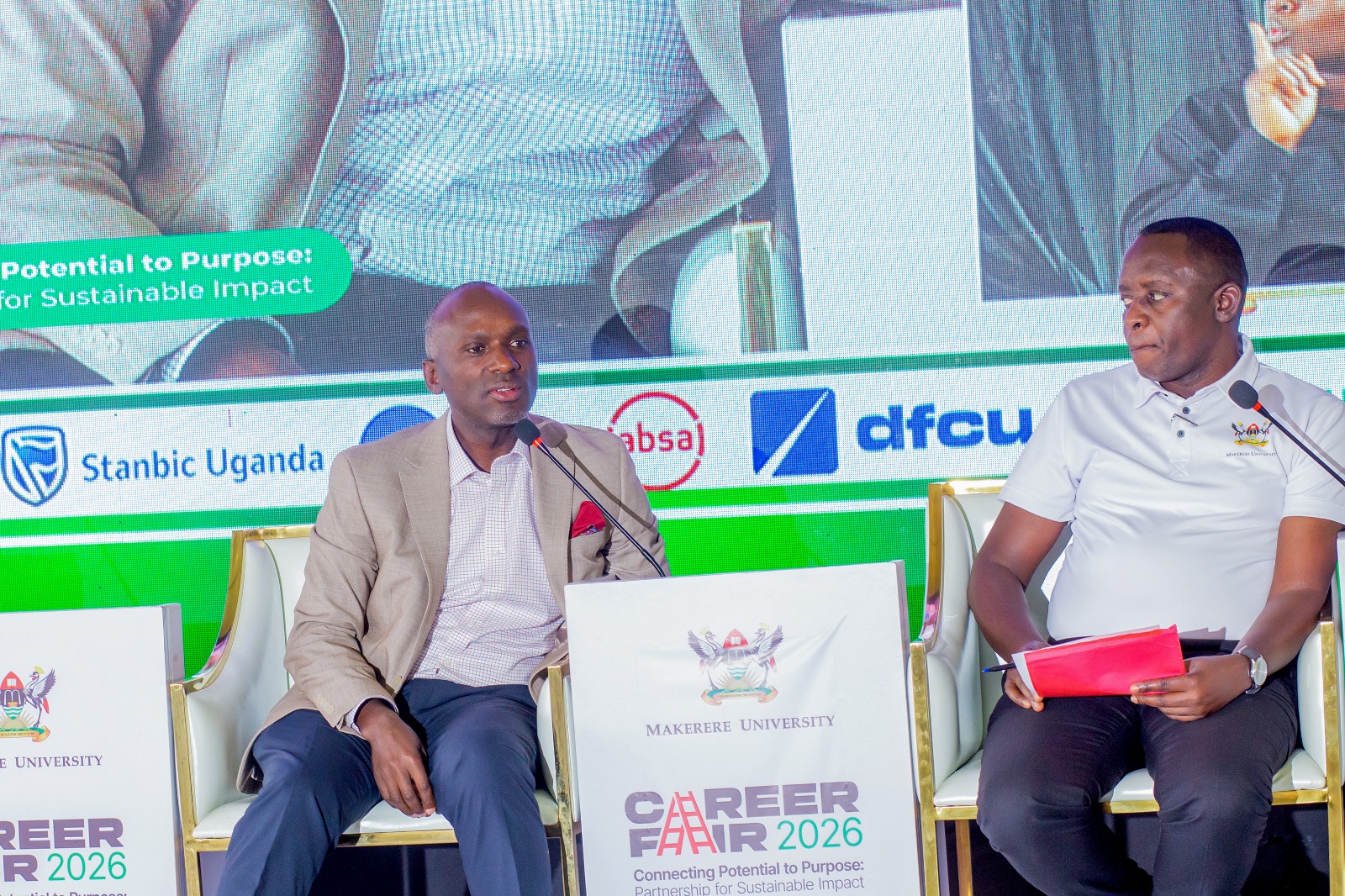
On inclusion, Gorretti Byomire, Director of the Disability Research and Learning Centre at Makerere University Business School, emphasized the need for inclusive employment practices for persons with disabilities. She called for stronger commitments from both government and the private sector, including the adoption of employment quotas and incentives. She also underscored the importance of building confidence and resilience among persons with disabilities.

Addressing technology adoption, Fred Percy Kisa, Senior Manager Transformation at NSSF Uganda, urged students to embrace artificial intelligence as a complementary tool.
“It is not machine versus human; it is human plus machine versus human,” he noted, encouraging a focus on critical thinking and problem-solving.
He highlighted the growing global AI economy and called on Africa to strengthen its contribution to research and innovation.
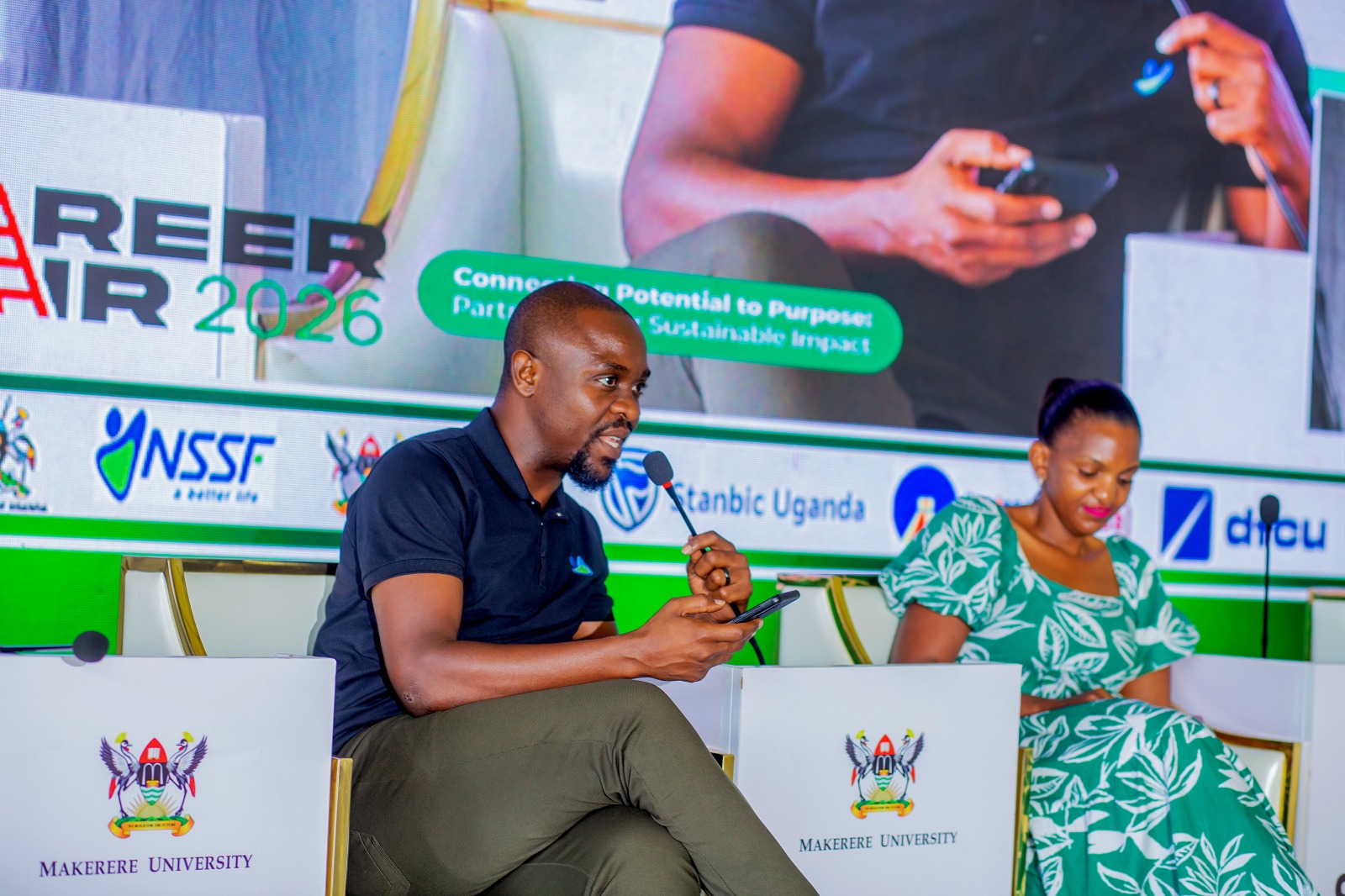
On employment dynamics, Evelyn Kisakye, Placement Officer at the Federation of Uganda Employers, emphasized the importance of flexibility and adaptability in today’s job market. She highlighted initiatives such as the Work Readiness Project, which connects graduates to opportunities in sectors like agriculture and tourism while equipping them with essential soft skills.
Commissioner of Police Anatoli Muleterwa, Head of Community Policing Department, outlined career opportunities within the Uganda Police Force. He noted that the institution accommodates a wide range of professional qualifications and highlighted four entry pathways, from constable to officer level. He encouraged students to prepare for and consider careers in national service.

The Career Expo 2026 concluded with a strong call to action, urging students to harness their potential, embrace innovation, and pursue purpose-driven careers. Participants, predominantly students, left with renewed clarity and direction, equipped with the knowledge, skills, and networks needed to make meaningful contributions to Uganda’s development.

-MAK NEWS. Give us feedback on this story through our email: kamwokyatimes@gmail.com