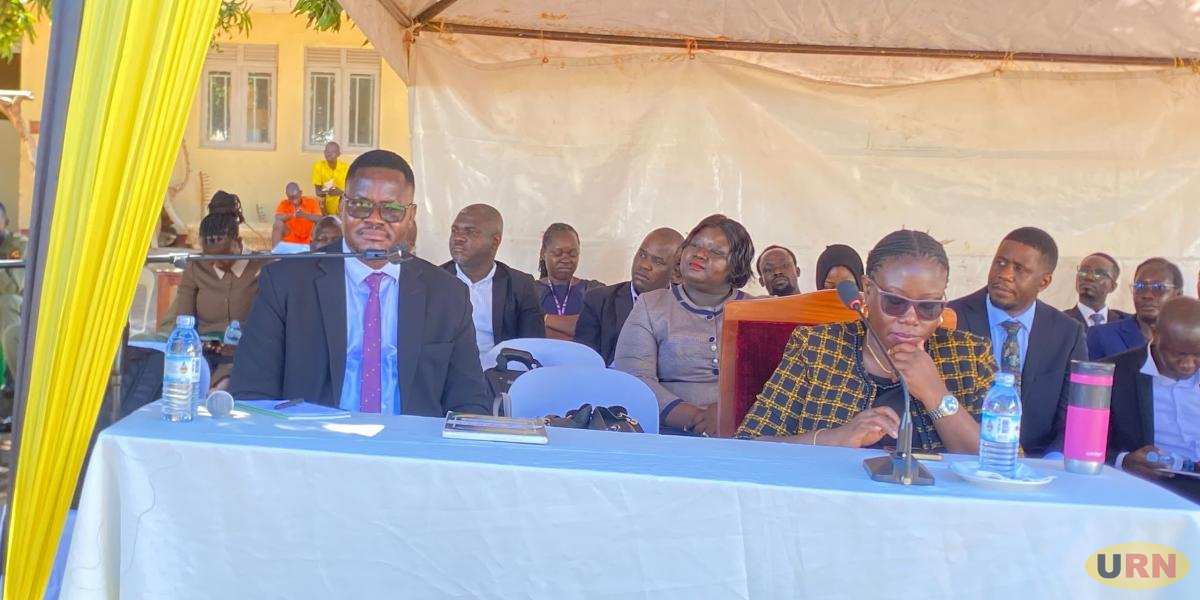
A plea-bargaining camp at Arua Government Prison has secured 191 case agreements in two days, exceeding its target of 170 cases and contributing to a reduction in the proportion of inmates held on remand.
The camp, organised by the Judiciary of Uganda with support from its Registry of Alternative Dispute Resolution, sought to ease congestion at the prison by helping inmates whose cases were pending in court to reach agreements with the prosecution.
The agreements were reached through plea-bargaining, a process that allows accused persons to admit to offences they committed and negotiate an agreed outcome rather than proceed through a full trial.

Before the camp, Arua Government Prison held 1,472 inmates, comprising 1,388 males and 84 females. Of the male inmates, 887 were convicts, and 501 were on remand. Among the female inmates, 46 were convicts, and 38 were awaiting trial.
The camp resulted in a shift in the prison’s inmate composition, with the proportion of convicted inmates rising from 38 per cent to 47 per cent, while the proportion of those on remand fell from 62 per cent to 53 per cent.
Acting Registrar of Arua High Court, His Worship Conrad Obol Oroya, said the change shows the camp’s contribution to resolving pending cases and moving inmates from remand status to convicted status.
“Before this plea-bargaining camp, the inmate population was 38 per cent convicts versus 62 per cent on remand. After the camp, it is 47 per cent convicts versus 53 per cent on remand,” Oroya told Uganda Radio Network (URN). Of the 191 case agreements reached, 153 were handled by the Chief Magistrate’s Court, while the High Court registered 38.
The Chief Magistrate’s Court reached agreements in 79 cases on the first day and 74 on the second, enabling the camp to meet and surpass its target in two days, one day ahead of the original three-day schedule.
The camp was officiated by the Resident Judge of Arua High Court, Lady Justice Harriet Grace Magala, while the cases were handled by the High Court and lower courts, including Arua City Court.
Justice Magala explained that plea-bargaining offers accused persons an opportunity to resolve their cases by admitting to offences they committed. However, she emphasised that the process is intended for those who acknowledge their guilt.
The cases handled during the camp covered a range of serious and other criminal offences, including aggravated robbery, aggravated defilement, murder, rape, simple defilement, arson, human trafficking, threatening violence, trespass and possession of prohibited drugs, including marijuana and opium.
The reduction in the proportion of inmates on remand proves the potential of plea bargaining to help address case backlogs and prison congestion by resolving eligible cases more quickly-URN. Give us feedback on this story through our email: kamwokyatimes@gmail.com