Livestock farmers from Karamoja are exploring improved pasture production, feed conservation and animal health practices to protect their herds against prolonged drought and declining grazing resources.
The farmers, including fodder producers, livestock traders and other red meat value chain actors, participated in a week-long study tour in the Ankole region organised by the Food and Agriculture Organization (FAO) with support from the European Union.
The visit exposed the farmers to practical livestock management approaches used by farmers and institutions, including the Mbarara Zonal Agricultural Research and Development Institute, to improve animal feeding, health and productivity.

Dr Eliyah Lotiang, a veterinary and extension worker from Napak District, said livestock-keeping communities in Karamoja have traditionally depended on rain-fed pasture, leaving their animals vulnerable when prolonged dry spells reduce the availability of grass and water.
He said diminishing grazing resources also increase pressure on the remaining grasslands, making it necessary for farmers to explore alternatives to unrestricted grazing.
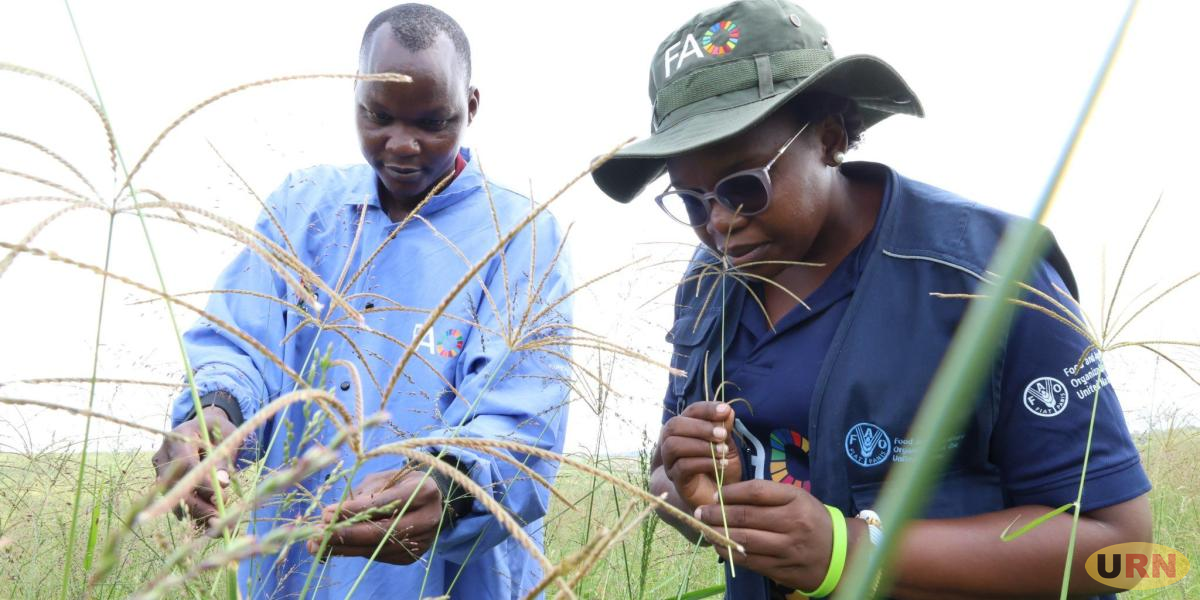
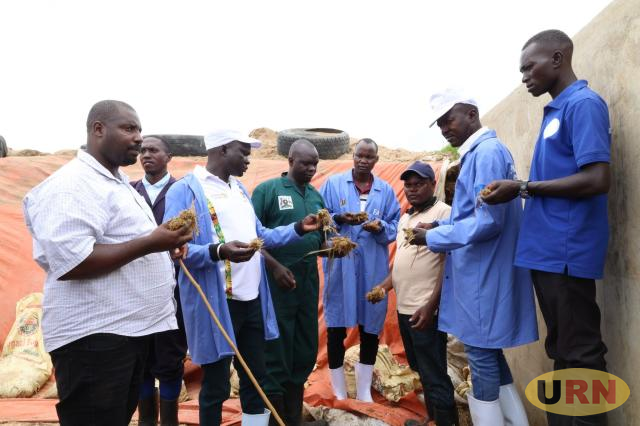
One of the objectives of the visit was to examine how paddock-based grazing, pasture production and feed conservation could ensure a more reliable supply of animal feed throughout the year. Lotiang said one of the key lessons was the importance of harvesting and preserving grass when it is abundant to provide feed during dry seasons.
Farmers were introduced to hay and silage production, which involves cutting and preserving grass for use when natural pasture becomes scarce.
Emmanuel Aleper, a fodder farmer from Moroto, said the study tour had given him practical ideas that he hopes to apply in Karamoja to improve pasture production, animal health and livestock productivity.
Aleper said livestock farming in Karamoja has largely relied on traditional free-range grazing, despite the potential to improve feed availability through planned pasture management and conservation.
He singled out biosecurity as another important lesson, particularly the need to prevent the spread of infectious diseases between livestock farms.
Aleper said measures such as disinfecting people and equipment before they enter farms could reduce the risk of transferring disease-causing organisms between livestock holdings.
Patience Akure, a Livestock Health and Production Specialist at FAO, said the organisation hoped the farmers would apply the lessons from the visit to improve livestock production in Karamoja.
She said livestock farmers in Ankole had more developed practices in fodder production, feed conservation and value addition, offering lessons that could be adapted to the conditions in Karamoja.
Akure said better feeding could improve the productivity of both beef and dairy cattle, including the indigenous Zebu breeds commonly kept in Karamoja.
She noted that the cattle could attain weights of between 350 and 500 kilogrammes when properly fed, but poor nutrition limits their market value and reduces the returns farmers obtain from livestock.
“Our breeds weigh about 350 to 500 kilograms if given the right feeds, but because of the poor feeding they do not fetch money in the market, which doesn’t make so much economic sense, the same to milk production,” she said.
The participants said the next challenge would be translating the lessons into practices that farmers can afford and sustain after returning home.
They called for agricultural extension workers, farmer groups and development partners to support demonstrations of suitable pasture varieties, provide technical guidance on hay and silage production, and help communities develop locally appropriate water and grazing management plans.
They also emphasised the importance of involving different actors in the livestock value chain, including fodder producers, livestock keepers, traders and meat handlers, in efforts to strengthen the sector.
Livestock remains central to livelihoods in Karamoja, where prolonged dry spells and limited access to water and pasture can undermine animal health, household incomes and the value of herds.
The study tour was intended to expose farmers to practical approaches that could help them manage feed shortages, protect livestock and improve the economic returns from cattle production-URN. Give us feedback on this story through our email: kamwokyatimes@gmail.com