Health rights advocates are calling for integrated interventions to address HIV, unintended pregnancies and sexual and gender-based violence. They say the three challenges are often interconnected and should be tackled together. The call comes as Uganda joins the rest of the world to mark World Contraception Day on September 26.
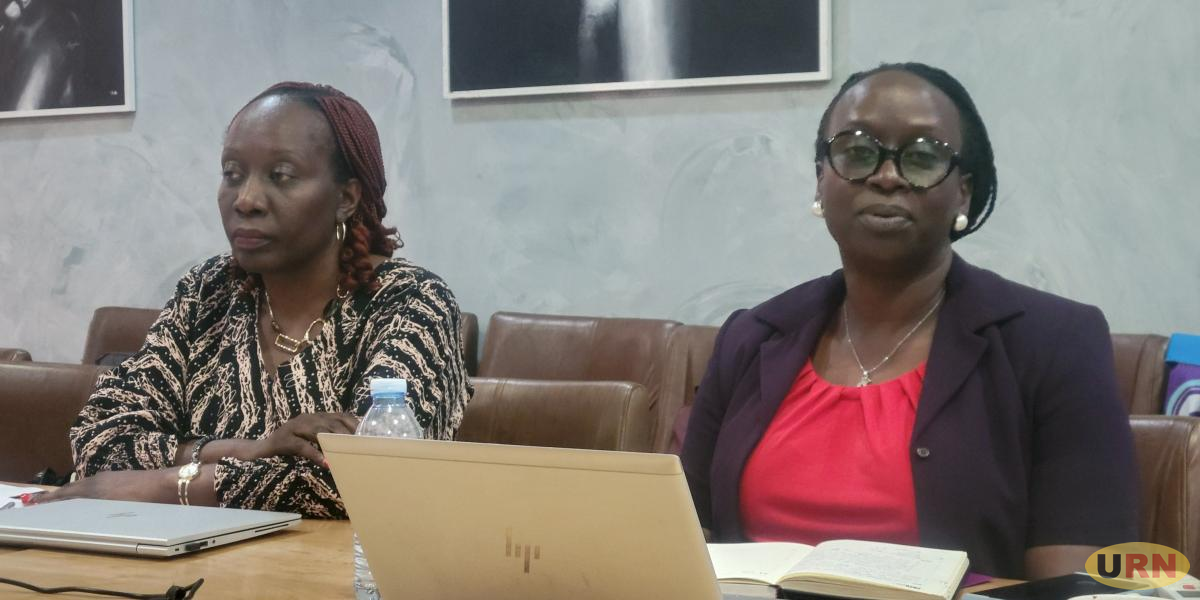
Dorah Taranta, the Tiko Uganda Country Manager, said teenage pregnancy remains a major challenge even in urban areas such as Kampala, where adolescents are expected to have better access to information and sexual and reproductive health services. Tiko Uganda uses technology to connect girls and young women to free sexual and reproductive healthcare services.
Taranta said the organisation discovered significant gaps in access to services after launching a mobile-based platform through which users in Kampala and Wakiso District can identify nearby clinics and book confidential appointments. The platform targets adolescent girls and young women aged between 15 and 24 and is promoted through community health workers and referrals from existing users.

Users can anonymously rate health service providers, receive feedback and get reminders about their appointments. Taranta said 204,534 teenage girls and young women have accessed services through the platform since January, with the majority seeking HIV-related services.
She said many of those seeking HIV services are also seeking family planning, demonstrating the need for health services that respond to multiple needs at the same time. By Friday, the platform had received 520,478 service requests, of which 391,075 came from Kampala.
Taranta said some clients are referred to public health facilities, while those unable to access particular services there are connected to private providers. She said the experience shows that adolescents often need several sexual and reproductive health services at the same time, rather than accessing them separately.
Dr John Paul Bagala, the Assistant Commissioner for Reproductive and Infant Health at the Ministry of Health, said such integrated services should be expanded beyond Kampala.
Bagala acknowledged that adolescents seeking contraceptive services may simultaneously require HIV prevention and treatment services as well as support related to sexual and gender-based violence. He said Uganda continues to face a high burden of teenage pregnancy, with one in four girls aged between 15 and 19 having already begun childbearing.
Bagala said the country therefore needs to revisit how contraceptive services are made available to adolescents. He cited the economic cost of teenage pregnancy, saying about 246 billion shillings was spent on health services for teenage mothers in 2020.
He explained that adolescent pregnancies can result in complicated deliveries and increased demand for costly interventions, including Caesarean sections. Bagala said that although the legal framework governing access to contraceptives remains an issue, there are opportunities within existing health guidelines to prevent repeat teenage pregnancies.
He said Ministry of Health guidelines allow adolescent mothers to be enrolled on birth-control methods after delivery or abortion, including those who become mothers at a very young age. The advocates say integrating services for HIV, family planning and SGBV would make it easier for adolescents to access care confidentially while reducing the likelihood of them falling through gaps between separate health programmes-URN. Give us feedback on this story through our email: kamwokyatimes@gmail.com