New multinational HIV research shows innovations such as HIV self-test kits fuelling new forms of violence among women living with HIV.
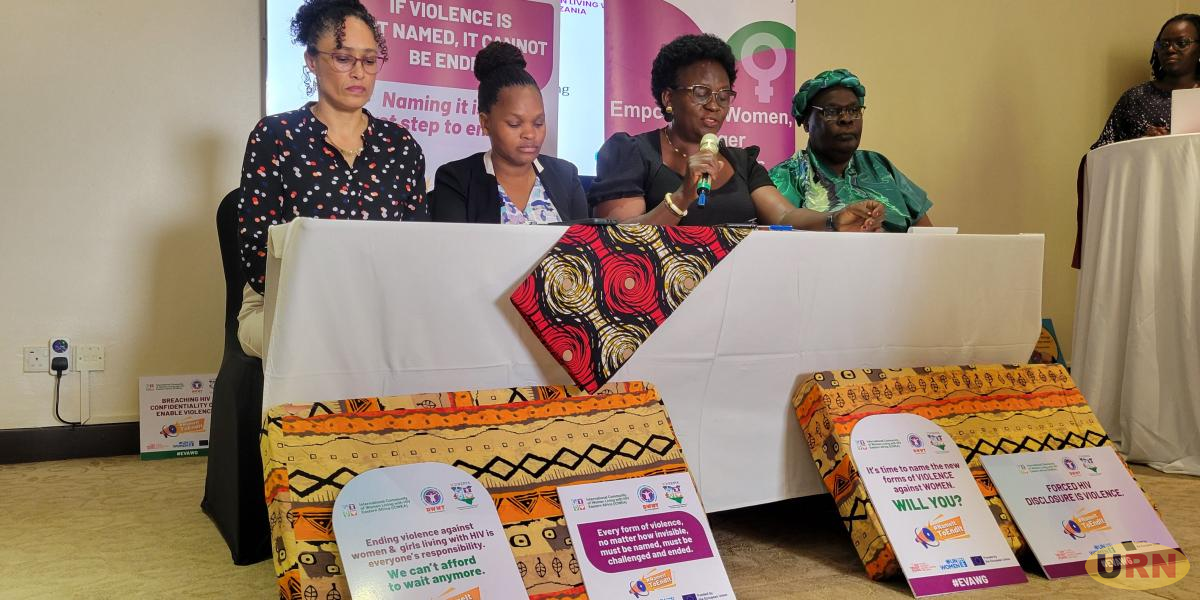
Dorothy Namutamba, the Deputy Executive Director of the International Community of Women Living with HIV East Africa, told journalists in Kampala that though well-intentioned, such technologies may have negative effects.
Namutamba, who was the study lead for Uganda, said they not only recorded reports of violence after a positive HIV test done using self- test kits but also concerns of unwanted disclosure.

According to Namutamba, common testimonies are that individuals move with kits and force their sexual partners to test before intercourse.
Namutamba reveals that other respondents lacked information on proper use of the interventions, and yet some were worried about confidentiality.
She reports that they were not sure lay people testing them would not reveal such private information to third parties, since this method erodes the previous process of undergoing counseling before testing, which would prepare users for such outcomes.
The research was conducted by a consortium of NGOs under a project called THRIVE among young women and female sex workers sampled from communities in Kenya, Tanzania, and Uganda.
Also involved in the study were care providers, policymakers, and HIV rights advocates in the three countries.
Apart from self-test kits, respondents shared several other ways through which changing health systems are creating new risks and deepening existing vulnerabilities, including technology-exposed violence.
The findings were released ahead of a three-day convention attended by delegates from the study countries.
The participants are expected to discuss these findings. HIV rights advocates said violence against women living with HIV could even get worse now that people living with HIV access care in open spaces, with the cut in donor funding which left many stand-alone HIV clinics closed.
Patricia Acero, a HIV rights activist from Kenya, said that the integration of services, an approach governments in East Africa took up to guarantee continuity of care for people with HIV, needs to be done better so as not to expose those seeking HIV services to stigma.
The activist reports that people living with HIV were still carrying treatment cards of a specific color, which discourages some girls from seeking their treatments for fear of being exposed as being HIV positive.
Dr Vincent Bagambe, the Senior Manager in charge of policy and planning at Uganda AIDS Commission (UAC) acknowledged that complaints of coerced disclosure associated with self-testing and the resultant violence have been common, especially at the family level where households subject workers such as maids to a mandatory test.
To Bagambe, to do away with both physical and emotional violence needs a mindset change, as the methods themselves are effective in reducing transmission of HIV, which he says incidence is still very high, especially among women.
Of the thirty-four thousand new infections recorded last year, he says twenty-two thousand were women and warns that if violence affects one’s ability to test or disclose their status safely, it directly affects the effectiveness of the national HIV response.
He also noted that preliminary findings from an assessment of integration of health services show the approach will not work well until users are involved in making the system safer and responsive-URN. Give us feedback on this story through our email: kamwokyatimes@gmail.com