The World Health Organization (WHO) has called on countries to expand newborn screening for birth defects, saying early detection and treatment can save lives and prevent lifelong disability for millions of children. In a new report titled “Strengthening Capacity for Newborn Screening, Diagnosis and Management of Birth Defects,” the WHO identifies newborn screening as a critical intervention for improving child survival and health outcomes.
The agency says many conditions can be successfully treated if detected shortly after birth. These include congenital hypothyroidism, in which a baby is born with an underactive or absent thyroid gland, sickle cell disease, hearing impairment, and several metabolic disorders.
However, millions of children worldwide are still diagnosed too late or never receive treatment. Globally, an estimated 8 million babies are born with a birth defect every year, and birth defects now account for nearly 8 percent of all deaths among children under five.

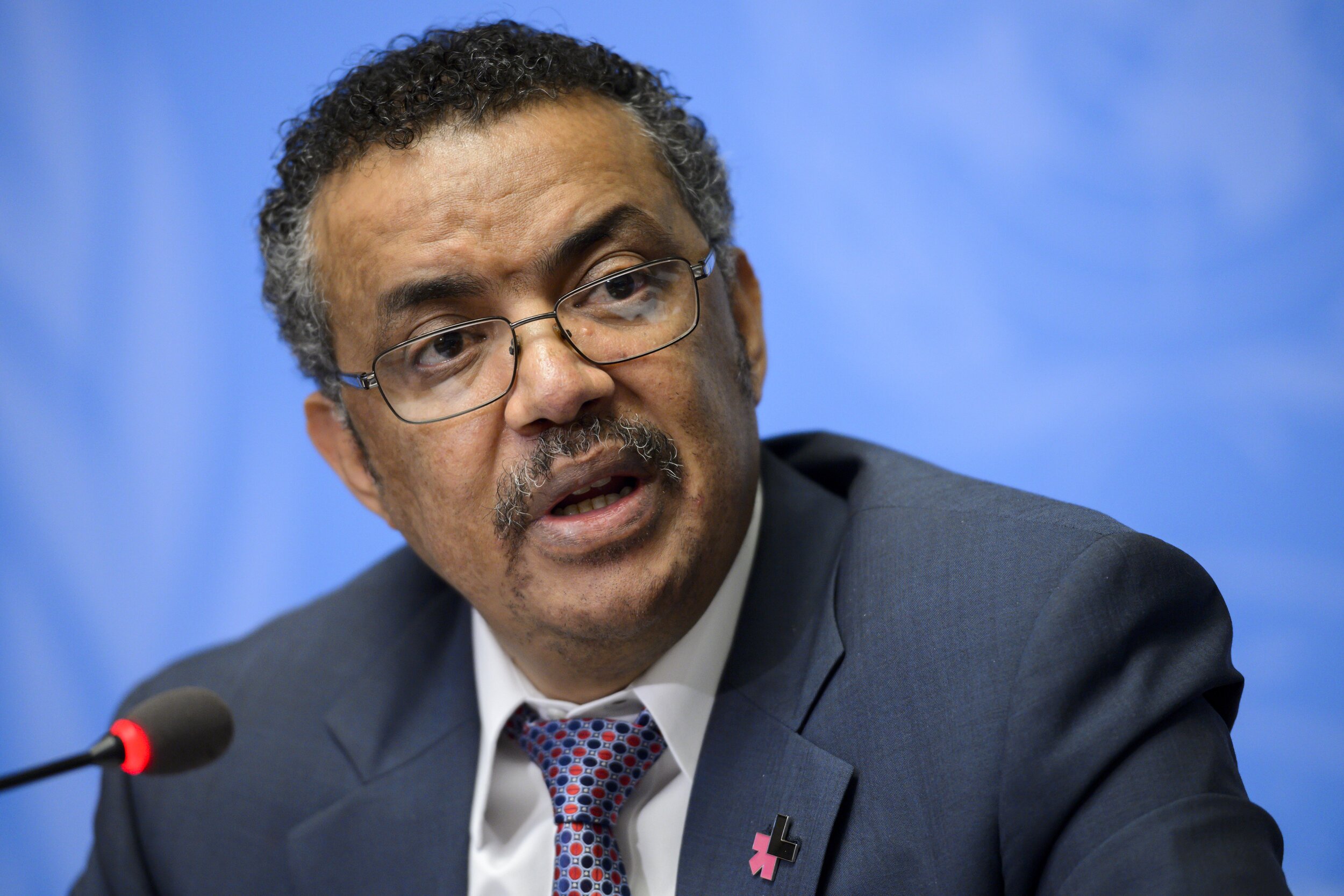
About 90 percent of children born with serious birth defects live in low- and middle-income countries, where access to screening, diagnosis, and treatment remains limited. “No child should miss the chance for a healthy future because a congenital condition was not detected early enough,” WHO Director-General Dr Tedros Adhanom Ghebreyesus said in a statement accompanying the report.
“Around the world, countries are showing that newborn screening for one or more conditions can save lives, prevent disability, and give a newborn the best opportunity to fulfil his or her potential.”
Dr Tedros said there is a wide gap between countries, with some screening every newborn for more than 50 conditions, while others have no newborn screening programmes at all. The report also shows that birth defects account for a growing share of under-five deaths in many parts of the world.
Between 2000 and 2023, the proportion of under-five deaths linked to birth defects rose from 1 percent to 4 percent in sub-Saharan Africa and from 3 percent to 11 percent in South Asia. According to the WHO, this increase partly reflects progress in reducing deaths from infectious diseases and other preventable causes.
The report is intended to help ministries of health, particularly in low- and middle-income countries, prioritize newborn screening based on national health needs and available resources. For Uganda, the report highlights the recently launched government-led sickle cell disease screening programme, saying it has the potential to identify affected infants early and provide lifesaving treatment and long-term follow-up care.
It also highlights successful large-scale screening programmes that have been integrated into routine health services across Africa, Asia, and the Americas. Among the examples cited are Argentina and Brazil, which have achieved nearly universal newborn screening coverage.
In Egypt, universal screening for hearing impairment and congenital hypothyroidism has been integrated into primary healthcare services. In India, a national programme has screened more than 28 million children over the past three years, identifying about 900,000 children with birth defects and linking them to diagnosis, treatment, long-term care, and rehabilitation through district early intervention centres.
The WHO is urging governments to integrate newborn screening, diagnosis, and treatment into routine health services and universal health coverage programmes. It recommends that countries begin with priority conditions that can be effectively detected and managed within their existing health systems-URN. Give us feedback on this story through our email: kamwokyatimes@gmail.com