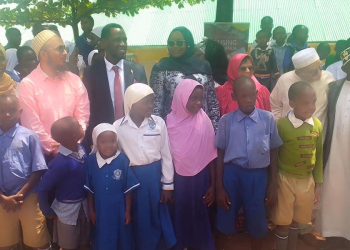
Refugees in West Nile have decried what they call continued discriminatory policy on school fees payment in both public and private primary and some secondary schools. Currently some public primary schools within Arua City also operate private wings in which most of the refugee children are admitted and charged extra 50,000 or 100,000 shillings as opposed to nationals.
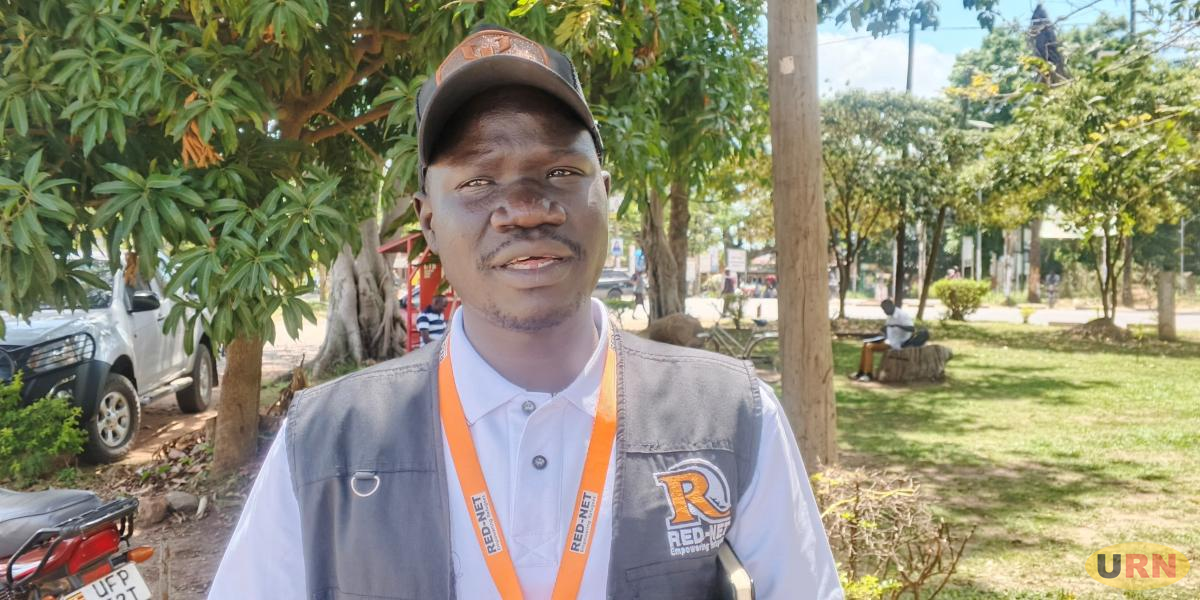
According to members of Refugee Empowerment and Development Network-RED-NET, an umbrella organization for all refugees in Arua and West Nile, the discriminatory policy on school fees contravenes the Refugee Convention and its 1967 Protocol which affirms that every refugee is entitled to safety, dignity, protection, inclusion, and access to fundamental human rights, regardless of race, religion, nationality, or political opinion.
The 2026 Population Census says Uganda hosts about 1.9 million refugees and asylum seekers, mostly from South Sudan, the Democratic Republic of Congo and Sudan.

West Nile Region hosts a significant proportion of this population, accounting for approximately 59%, with refugee settlements located in Rhino Camp, Imvepi, Omugo, Lobule, Bidibidi, Pagirinya and other areas and Arua City alone hosts over 23,000 urban refugees and asylum seekers, mainly from South Sudan and the DRC.
The refugees face numerous challenges, ranging from limited access to essential services, including education, health, livelihoods, protection concerns, and integration difficulties.
Francis Simon Ayume, the Executive Director Refugee Empowerment and Development Network. RED-NET says the cut down of aid to the refugees and the hardening life situations in the camps has forced their members to seek for better services, for which they deserve equality in treatment.
According to Ayume, the discriminatory policy on school fees payment is a major cause of school dropout among the refugees especially the girls child in Arua City and within the towns in West Nile.
Similarly, Moses Batali Modi, the coordinator South Sudanese Refugees Association -SSURA said many of their members who have moved to the towns are forced to withdraw their children to home because of the discriminatory policy on school fees payment.
According to Batali, there is need for the government to review the policy on school fees payment since no one chooses to be an alien. “It isn’t good to charge refugee children of more fees as they are not here to make money but to seek for fair life for which they need the support of the host Country,” Modi said.
But Arua City Education Officer Raymond Ombere said the refugee policy in Uganda considers only those living in the camps. “I can’t comment much about this, but our policy is very clear on Refugees,” Ombere said.
Uganda remains Africa’s largest refugee-hosting country and is globally recognized for its progressive 2006 refugee open door policies. West Nile Region continues to bear the largest concentration of refugees in Uganda, who also contribute positively to the social and economic development of host communities-URN. Give us feedback on this story through our email: kamwokyatimes@gmail.com