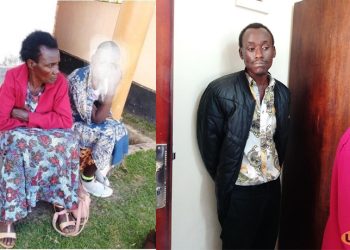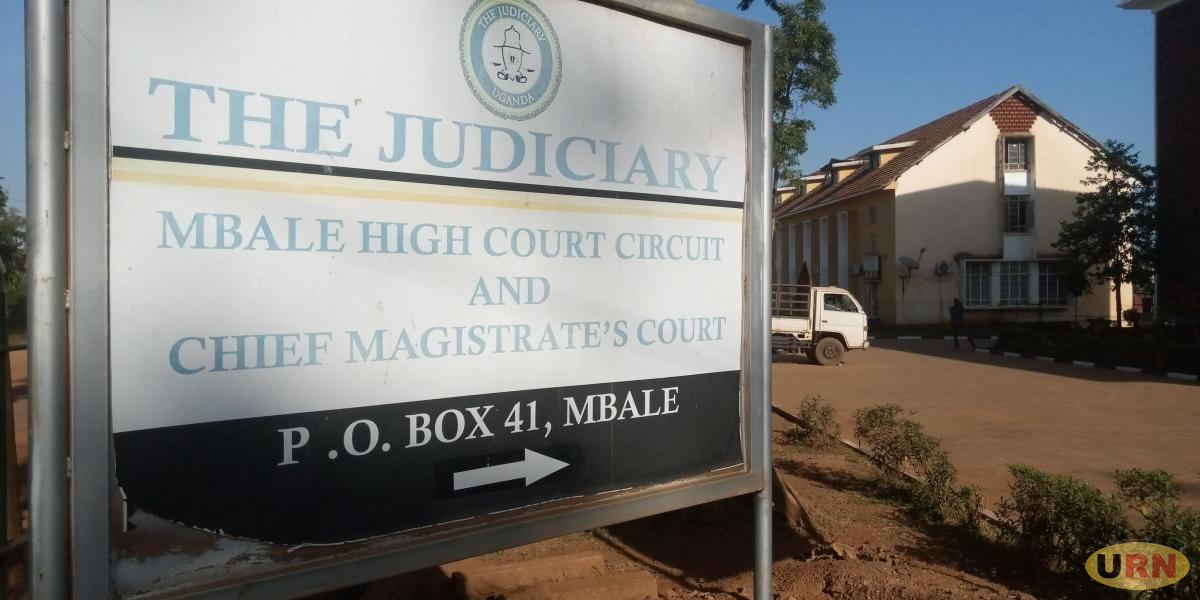
The High Court in Mbale acquitted two brothers who had spent 11 years on remand for the alleged killing of their father. The case was dismissed for lack of sufficient evidence from the prosecution. In a judgment delivered on Thursday, June 4, 2026, Justice Dr. Lubega Farouq found Julius Walato, also known as Musamali Jude, and Stephen Masinde Stephen not guilty of the murder of their father, Clement Walato, who was killed in August 2015 in Bukhamunyu Village, Mbale District.
The two had been jointly charged with murder contrary to Sections 171 and 172 of the Penal Code Act. Prosecutors alleged that on August 18, 2015, the accused, together with others who remain at large, attacked and fatally cut their father with a panga following a longstanding family dispute over land. The court heard that the deceased sustained severe injuries, including a deep cut wound to the neck, which medical evidence showed caused massive blood loss leading to his death.
The prosecution relied heavily on an alleged dying declaration in which the deceased reportedly identified his sons as the attackers. According to testimony from the deceased’s wife, Annet Wakooli Walato, and his son, Herbert Musamali, the deceased named several of his children, including the accused persons, as those responsible for the attack before he succumbed to his injuries. The Court found that the prosecution had successfully proved that Walato died as a result of an unlawful act and that the assailants acted with malice aforethought.

Justice Lubega noted that the nature of the injuries inflicted on the deceased, particularly the deep cut to the neck, demonstrated an intention to kill. However, the judge has ruled that the prosecution failed to prove beyond a reasonable doubt that the two accused were among those who carried out the attack. In his judgment, Justice Lubega observed that while dying declarations are admissible in evidence, they must be treated with caution and require independent corroboration.
The court found no credible evidence supporting the alleged dying declaration beyond the testimony of the deceased’s wife and son. The judge also questioned the reliability of the identification evidence presented by the prosecution. Although the deceased’s wife claimed she saw the accused near the scene shortly after responding to her husband’s alarm, the incident occurred at night, creating the possibility of mistaken identity.
Justice Lubega further noted that other individuals allegedly named by the deceased as attackers were neither charged nor called as witnesses, which raises issues about the thoroughness of police investigations. The court has also pointed to evidence of longstanding family disagreements over land. While prosecution witnesses maintained that the accused had a dispute with their father over unfair land distribution, the accused denied any conflict with the deceased and instead claimed they had disagreements with their stepmother, Annet Wakooli Walato.
The judge has noted that the criminal proceedings may have been influenced by personal grievances arising from family land wrangles. He noted that both key prosecution witnesses were closely involved in the family dispute. The court found that the prosecution had failed to disprove the defences raised by the accused, saying that they were not at the scene of the crime when the murder occurred.
Julius Walato told the court he was at home with his wife at the time of the attack, while Stephen Masinde said he was attending to his sick wife at a hospital. Justice Lubega noted that under criminal law, an accused person bears no burden to prove where he was and that the prosecution must place the accused at the scene of the crime through credible evidence. “Upon evaluation of all the evidence on record, I find no cogent evidence to corroborate the alleged dying declaration,” the judge ruled.
He added that the prosecution’s evidence was insufficient to establish beyond a reasonable doubt that the accused participated in the killing of the deceased. The court has consequently rejected the recommendation of the assessors, who had advised that the accused be convicted. “I find both accused persons not guilty of the offence of murder as charged and acquit them accordingly,” Justice Lubega ruled. The judge then ordered the immediate release of the two men unless they were being held on any other lawful charges-URN. Give us feedback on this story through our email: kamwokyatimes@gmail.com