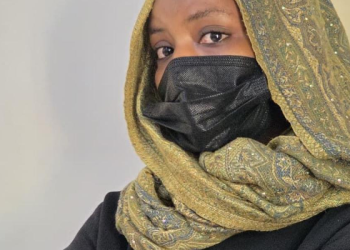
By KT Reporter
Students at Sumaya Girls’ Secondary School in Nsangi have developed a breakthrough innovation that could transform healthcare access in Uganda: a urinary tract infection (UTI) detector strip that is affordable, private, and easy to use.
The innovation, named the Euro-care UTI Detector Strip, delivers results within three to four minutes, offering a faster and more discreet alternative to hospital-based testing.

UTIs are among the most common infections in Uganda, particularly affecting women, and are a leading cause of medical consultations. Left untreated, they can escalate into kidney infections and other serious complications. Yet many people delay testing because of high costs and the embarrassment of discussing intimate symptoms in crowded clinics.
“Patients often have to go through several medical staff before receiving their results, and for many, this process feels uncomfortable and invasive,” explained Jemimah Namiiro, a Senior Five student and lead innovator. “We designed this strip so people can test themselves privately at home, in schools, or even at work, without fear of judgment or unnecessary delays,” she added.
Namiiro added that the team drew inspiration from experiences in their communities, where many either avoided testing or sought help only when symptoms had worsened. “This strip encourages early testing, which is key to preventing serious illness,” she said.
Developing the strip, however, was no simple task. The students, all members of the school’s innovation hub, dedicated months to research and trials. “We sometimes missed lessons and even sat for exams without enough revision because we were working on this project,” Namiiro revealed. “But seeing it succeed makes every sacrifice worth it.”
Her teammate, Hadija Luyiga, a Senior Three student, said the project transformed their confidence: “We were sure from the start that this idea could work. It proves that young Ugandans have the capacity to design solutions for real health challenges.”
Guided by their teacher and hub patron Hashim Wangusa, the students tested the strips against existing hospital kits at the school clinic and a private facility in Nsangi. The results matched hospital-standard tests, boosting their confidence in the product’s reliability.
“Of course, they still need official certification from the Uganda National Bureau of Standards, but so far, the results show this innovation has great potential,” Wangusa said. He emphasised that the motivation came from genuine patient frustrations: “At hospitals, some people feel embarrassed when asked sensitive questions. This strip provides a private, mobile, and affordable alternative.”
The innovation has not only health benefits but also broader social implications. In rural Uganda, diagnostic services remain scarce, forcing patients to travel long distances or forego testing altogether. A low-cost, confidential tool like the Euro-care UTI Detector Strip could encourage early treatment, reduce pressure on hospitals, and improve health outcomes across the country.
Beyond healthcare, the project demonstrates the growing power of youth-led innovation in Uganda. The school’s innovation hub, which began with just a handful of students, now has more than 60 learners working on solutions to everyday problems.
This particular invention recently won first place in the National Schools Championship 2025, an annual contest that showcases student-led innovations. At the award ceremony, Balaam Barugahara, State Minister for Youth Affairs, praised the girls’ creativity:
“These students have shown that when given the chance, young Ugandans can create solutions that make a real difference in society,” he said. “Their work highlights the importance of nurturing innovation in our schools.”
The championship, supported by Stanbic Bank Uganda, has been running for ten years and has engaged hundreds of schools nationwide, providing young people with platforms to refine ideas into real-world solutions.
For Namiiro, Luyiga, and their teammates, the victory is not just a personal achievement; it’s a statement of purpose. “This project is not just for us,” Namiiro said. “It’s for everyone who has ever avoided a medical test because of the cost or the fear of being judged. We hope it inspires more students to look around them and find solutions to everyday problems.
With further refinement and regulatory approval, the Euro-care UTI Detector Strip could soon become a practical tool in Uganda’s fight against preventable health complications, proving that innovation doesn’t always begin in laboratories or big companies, but can be born in a school classroom
-URN. Give us feedback on this story through our email: kamwokyatimes@gmail.com