By KT Reporter
Voters in Kabarole District are raising concerns about the reliability of the newly procured Biometric Voter Verification Kits (BVVKs), fearing that technical failures could disrupt voting and potentially disenfranchise citizens on polling day.
In Kichwamba Sub- County, Sarah Kunuhira says the introduction of new technology has stirred anxiety, particularly among elderly residents who are unfamiliar with digital systems. She worries that any malfunction on polling day could lock out eligible voters and create confusion.

“Many people here are not used to machines,” Kunuhira explains. “If the system breaks down or delays verification, some voters may miss their chance to vote. The elderly could easily be confused or misled.”
Her concerns are shared by Peter Sunday, another resident of the area, who is calling for greater public awareness about how the biometric kits work. While he supports efforts to safeguard electoral integrity, Sunday wants clear assurances that the devices are strictly for voter identification and do not interfere with ballot secrecy.
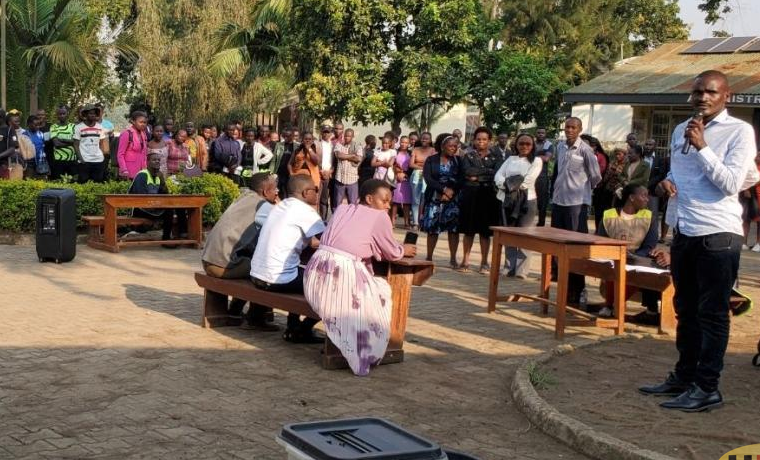
These concerns come as the Electoral Commission rolls out training for officials who will operate the Biometric Voter Verification Kits across Kabarole District. The two-day exercise is equipping 323 BVVK operators, supported by 52 parish supervisors and 15 sub-county supervisors, with the skills needed to manage voter verification at all polling stations in the district.
The portable kits, which verify voters using fingerprints or facial features matched against the national voter database, are designed to confirm a voter’s identity before a ballot is issued. Officials say the system is meant to protect the integrity of the vote while making the process faster and more orderly.
Kabarole District Returning Officer Rogers Kasoro says the training marks a key milestone in preparations for the 2026 polls. He notes that the Commission has emphasised practical skills to ensure that no voter is delayed or inconvenienced on election day.
The kits, Kasoro explains, are Android-powered, easy to operate, and do not require internet connectivity. Their long-lasting batteries are intended to keep polling stations running even in areas without reliable electricity.
Beyond the technology, the Commission is also reaching out to voters. Distribution of voter location slips has already begun at the parish level, and voters are being encouraged to keep the slips safe and present them on polling day.
Kasoro urges voters to turn up early, remain patient, and follow polling guidelines, assuring them that the verification process is strictly about confirming identity, not influencing how anyone votes.
Lucky Kansiime, one of the participants, describes the training as straightforward, especially for those with basic computer knowledge. She says the machines are fast and user-friendly, and will significantly reduce queues at polling stations.
Another trainee, John Akugizibwe, believes the kits could strengthen public trust in the electoral process. By quickly identifying who has already voted and who has not, he says, the system has the potential to deter fraud and enhance transparency.
The Electoral Commission says such concerns are being taken seriously, with plans for voter sensitisation and refresher training for officials closer to polling day. The commission added that the technology is designed to serve the voter, protect the vote, and ensure that every eligible citizen can cast their ballot with confidence.
-URN. Give us feedback on this story through our email: kamwokyatimes@gmail.com