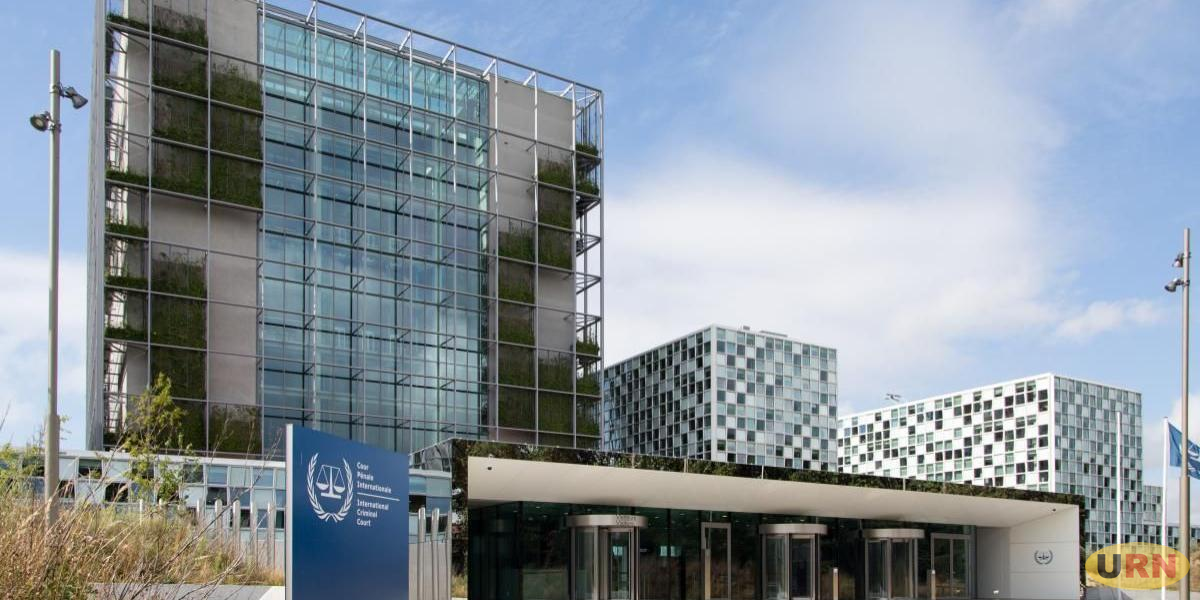
The International Criminal Court’s (ICC) Trust Fund for Victims (TFV) has warned that the latest sanctions imposed by the United States could further harm victims of serious crimes and disrupt programmes providing reparations and rehabilitation to affected communities worldwide. The warning comes after US Secretary of State Marco Rubio announced on Friday that the Trump administration had imposed sanctions on the ICC, accusing the court of seeking to prosecute American citizens.
The sanctions include restrictions on US companies conducting transactions with the court. In a press statement issued on Friday, the TFV expressed deep concern over the potential impact of the sanctions, warning that they could undermine essential services and partnerships supporting survivors of some of the world’s most serious crimes.
The Trust Fund said those at risk include children, women and men who have suffered abduction, sexual violence, murder, torture, pillage, persecution and other grave abuses. “Sanctions risk inflicting further harm on victims and affected communities around the world,” the statement said. The TFV warned that the measures could also disrupt financial channels, services and partnerships essential to fulfilling its mandate, potentially affecting assistance to victims and efforts to implement court-ordered reparations.

Established in 2002, the TFV supports programmes aimed at helping survivors rebuild their lives through physical, psychosocial and socio-economic rehabilitation, education, peacebuilding and memorialisation in ICC member states. The latest sanctions add to a series of punitive measures imposed by the United States against top ICC officials, among them the ICC president, Tomoko Akane, and Abdoulaye Seye, a Senior Trial Lawyer at the Office of the Prosecutor, amid longstanding tensions between Washington and the court over its investigations and judicial activities.
The United States is not a party to the Rome Statute, the treaty that established the ICC in 2002, and has historically opposed certain investigations and actions involving American personnel and officials from allied countries, particularly Israel. Despite its concerns, the TFV said it remained determined to mobilise resources and sustain programmes supporting victims of serious crimes.
It called on states, corporations and individuals to renew their support for victims and the ICC’s reparative mandate by contributing to the fund. “Standing with victims means standing for the rule of law and investing in a peaceful future for all,” the statement said. ICC President Tomoko Akane also rejected the sanctions in a statement issued on Friday, arguing that the measures were an attempt to obstruct justice and prevent the court from fulfilling its mandate.
“The court will continue to fully discharge its mandate with independence and impartiality, acting only based on the law and evidence for the sake of the countless victims of grave crimes,” Akane said. In Uganda, a state party to the ICC, the TFV has been mobilising resources to implement reparations for victims of crimes committed by Dominic Ongwen, a former commander of the Lord’s Resistance Army (LRA).
Ongwen was convicted by the ICC in February 2021 on 61 counts of war crimes and crimes against humanity committed at the Pajule, Abok, Lukodi and Odek internally displaced persons (IDP) camps in Northern Uganda. He was sentenced to 25 years in prison. In June 2024, the TFV issued its first funding appeal, seeking five million euros in voluntary contributions to initiate the reparations programme in Northern Uganda.
The programme targets survivors of sexual and gender-based violence, including victims of sexual slavery and forced marriage, children born out of rape, former child soldiers and victims of attacks on the four IDP camps. The ICC estimates that approximately 50,000 victims of Ongwen’s crimes are eligible for reparations, with the court-ordered award amounting to 52 million euros-URN. Give us feedback on this story through our email: kamwokyatimes@gmail.com