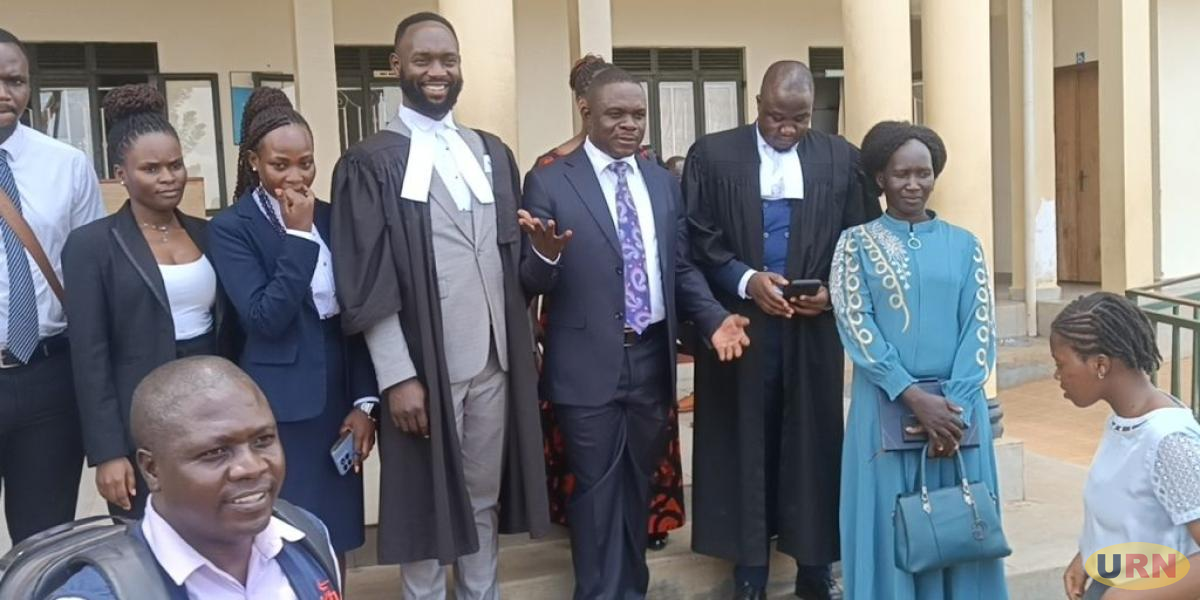

The hearing of an election petition challenging the election of Bbaale County Member of Parliament Charles Tebandeke in Kayunga District has concluded before the High Court in Mukono. The petition was filed by former National Resistance Movement (NRM) candidate Arthur Kiiza, who is challenging Tebandeke’s victory in the January 2026 general elections.
Tebandeke, the incumbent MP and National Unity Platform (NUP) candidate, took the witness stand on Tuesday to respond to allegations that he made tribal and provocative statements during the election campaign.
Kiiza alleges that Tebandeke used statements that were discriminatory and provocative and wants the High Court to nullify the election. During his testimony, Tebandeke denied the allegations, telling court that some of the language he used during the campaign was intended to describe the political contest and challenges affecting Bbaale and Kayunga, rather than to target Kiiza personally.

Tebandeke also denied discriminating against Kiiza on ethnic grounds. He told the court that Kayunga is inhabited by people from different ethnic communities and argued that it would not have made sense for him to campaign against a particular community and later seek votes from the same electorate.
Tebandeke further explained his use of the terms “Goliath” and “David”, saying they were references to the political contest and the challenges facing the constituency rather than personal attacks against Kiiza.
The MP was cross-examined by lawyers representing Kiiza after lawyers for Tebandeke, including Gilbert Bukiya, had earlier cross-examined witnesses presented by the petitioner. The petition has also been marked by a dispute over electronic evidence.
Earlier this month, Justice Philip Mwaka rejected six video recordings tendered by Kiiza after finding that their authenticity and chain of custody had not been sufficiently established. The judge, however, clarified that the decision did not permanently bar the recordings from being presented if they were brought before court through the proper evidentiary procedure.
The disputed material comprised three videos downloaded from TikTok and three sequential recordings allegedly made using a mobile phone belonging to Lawrence Muwonge. The recordings had been attached to Kiiza’s affidavit on a flash drive.
The court found that the evidence did not meet the requirements for admission under the laws governing electronic evidence. The ruling dealt specifically with the admissibility of the recordings and did not determine the substantive allegations of tribal discrimination against Tebandeke.
The petitioner later presented a computer forensic expert, Richard Emuye, who, during cross-examination, reportedly acknowledged that he could not establish the chain of custody of the TikTok videos he examined.
With Tebandeke completing his testimony, the evidentiary phase of the petition has now ended. Tebandeke’s lawyer, Bukiya, said Justice Mwaka directed the parties to file their closing submissions on September 29. The court is thereafter expected to give further directions regarding the delivery of judgment.
Kiiza has maintained that the petition is intended to establish accountability for statements made by politicians during election campaigns, particularly where such statements are alleged to target individuals or communities based on tribe, religion, gender or other characteristics. The High Court will ultimately determine whether the allegations and evidence presented meet the legal threshold for disturbing the election result-URN. Give us feedback on this story through our email: kamwokyatimes@gmail.com