Health experts have raised concerns that religious beliefs, cultural expectations, and societal stigma are significantly influencing abortion decisions in Uganda, pushing many women and girls toward unsafe procedures. Women facing unintended pregnancies are often reported to fear shame, family rejection, and loss of social standing, particularly in communities where pregnancy outside marriage is strongly stigmatized.
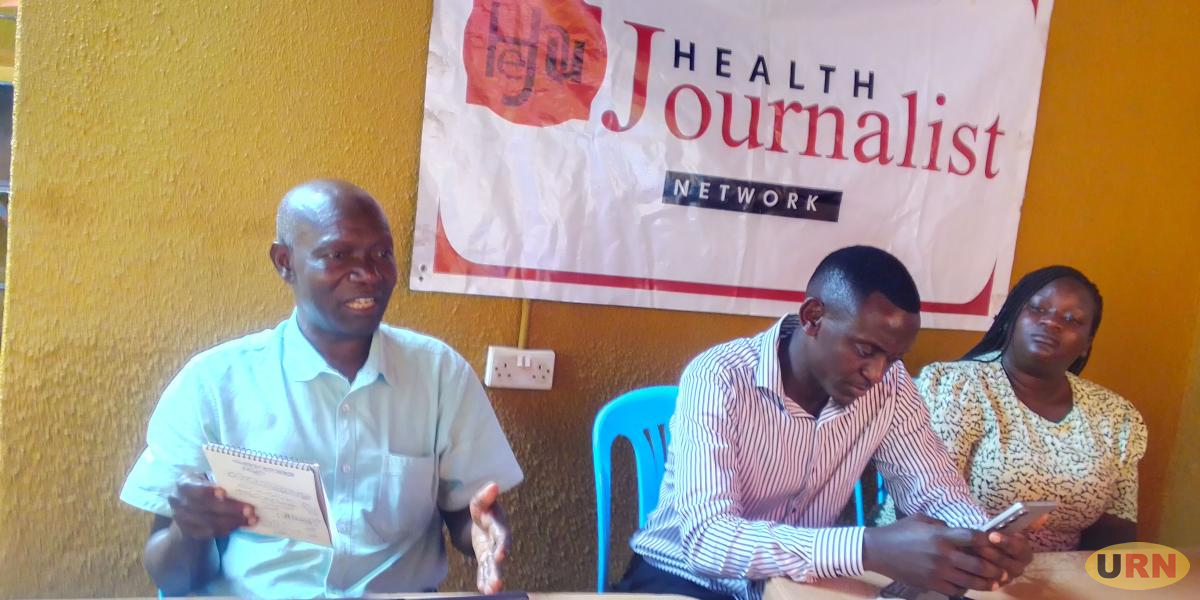
Speaking to health journalists under the Health Journalists Network Uganda (HEJNU), senior gynecologist Dr. Peter Ssebadduka said many young girls resort to abortion due to fear of cultural, religious beliefs, and norms that condemn and criminalize the practice. Dr. Ssebadduka called for increased engagement with cultural and religious leaders to reduce stigma and support the reintegration of women who have undergone abortion into communities.
He warned that unsafe abortions can lead to severe health complications, including heavy bleeding, infections, retained products of conception, and death, while long-term effects may include infertility and psychological trauma. “Many women who seek fertility treatment later in life reveal histories of unsafe abortions carried out during their teenage years, and some complications only become apparent years later when women are trying to conceive,” Dr. Ssebaduka said.

He noted that Uganda’s legal framework permits abortion only under limited circumstances, mainly when a woman’s life is at risk, leaving many women in difficult circumstances, such as rape, defilement, coercion, and extreme socio-economic hardship, without legal options. Dr. Ssebadduka said the Penal Code criminalizes both women seeking abortions and those assisting them, which he said pushes many women toward unsafe procedures due to fear of prosecution and social judgment.
“Women who decide to terminate pregnancies often do so regardless of the circumstances. The challenge is that many are forced to seek unsafe methods because safe services are inaccessible or unavailable,” Dr. Ssebadduka explained. Joseph Mwebaze from the Center for Women’s Justice said abortion has existed for generations despite ongoing debates about morality and legality.
“Whether we like it or not, abortion has been here for years. What keeps changing are the people in each generation,” Mwebaze said. He revealed that during a recent community outreach in Kigundu Zone, Kalerwe, health workers encountered cases where aborted fetuses were dumped in trenches due to fear, stigma, and lack of information about available services.
Mwebaze said many women resort to unsafe abortions because they fear judgment from families, communities, and religious institutions. He added that organizations working in reproductive health are encouraging women experiencing unintended pregnancies to seek professional medical guidance and access post-abortion care services at health facilities, although uptake remains low due to stigma.
“Some people are very moral and religious and do not believe in abortion. This stigma is also hindering the services we offer to our people,” Mwebaze added. He noted that after community sensitization campaigns, only a small number of women typically come forward for information and post-abortion care services. According to the Maternal and Perinatal Death Surveillance and Response Report for the 2024/25 financial year, abortion-related complications account for four percent of maternal deaths in Uganda, translating to 189 deaths per 100,000 live births-URN. Give us feedback on this story through our email: kamwokyatimes@gmail.com